
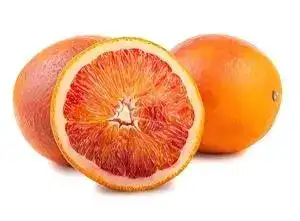
A blood orange isn't just any orange. Its crimson flesh commands a premium price—but only if it reaches the buyer in perfect condition. Here's why weight sorting, not diameter sorting, is the key to protecting that value.
What Makes Blood Oranges Different
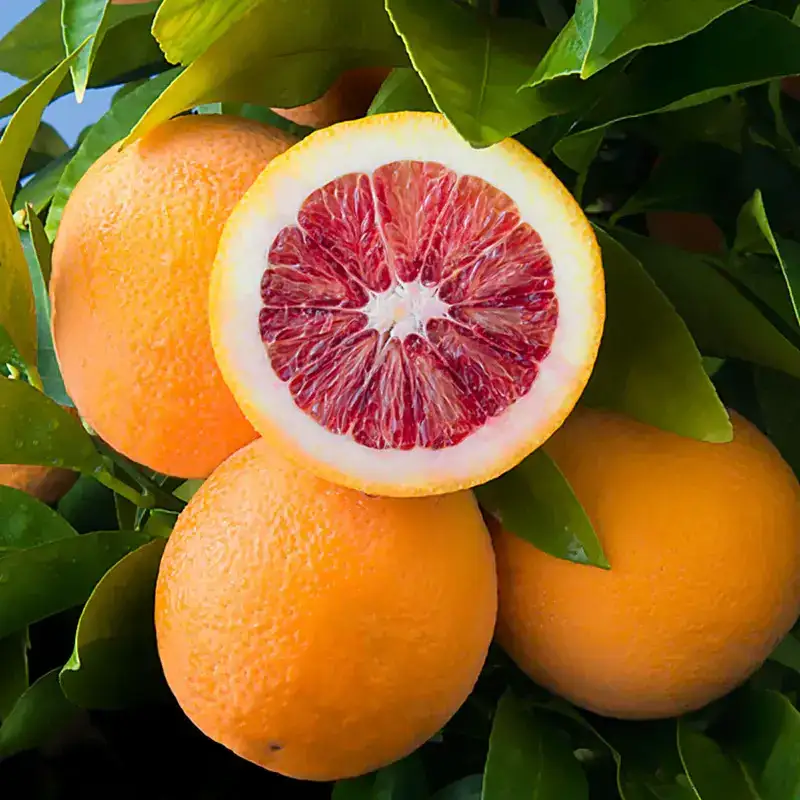
Blood oranges are one of the most distinctive citrus varieties on the market. Their deep red flesh, intense aroma, and rich antioxidant content set them apart from ordinary oranges—and command a higher price from discerning buyers.
But here's the catch: blood oranges are often slightly flatter and less uniform in shape than regular oranges. Some varieties, like the Tarocco, are rounder; others are more irregular. A diameter grader—which measures how wide a fruit is—can be misleading for fruit that isn't perfectly round.
Weight, on the other hand, is a consistent and reliable measure of market value. Buyers don't pay by width. They pay by weight.
Blood oranges typically range from 150 to 250 grams, with premium grades commanding the highest prices. Sorting by weight ensures that every fruit goes to the right market channel—and every fruit earns what it's worth.
Weight Range | Typical Market Channel | Price Potential |
|---|---|---|
200–250g | Premium export, high-end retail | Highest |
170–200g | Supermarkets, standard export | High |
150–170g | Domestic retail, food service | Medium |
Under 150g | Processing, juicing | Lower |
Every gram counts. The right grader makes sure every blood orange finds its right buyer—at the right price.
The Challenge: Sorting Without Bruising
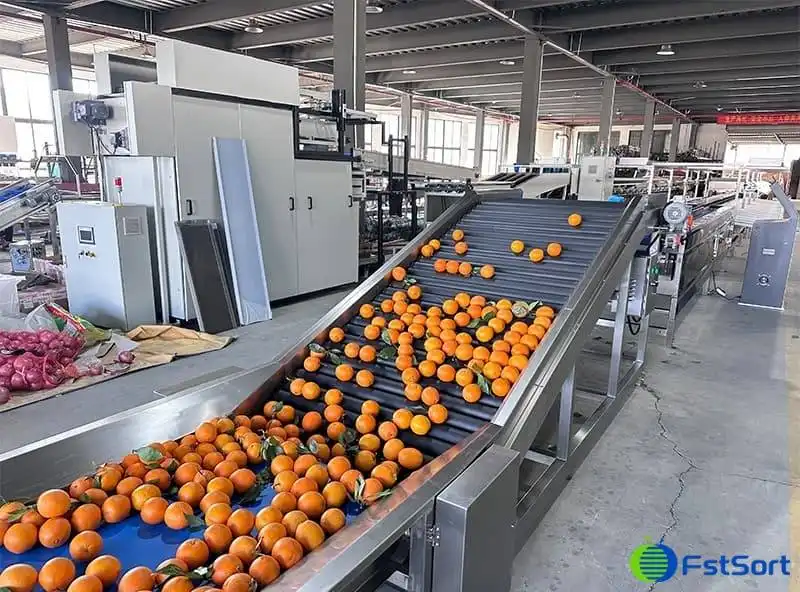
Blood oranges have relatively thin skin. And their most valuable asset—the deep red flesh—is hidden inside. A rough handling during sorting can cause internal bruising that isn't visible until the consumer cuts the fruit open.
By then, it's too late. The brand's reputation is damaged.
For exporters supplying premium markets in Europe, Asia, or North America, the margin for error is thin. Gentle handling isn't optional—it's essential.
Why Weight Sorting Is the Right Choice
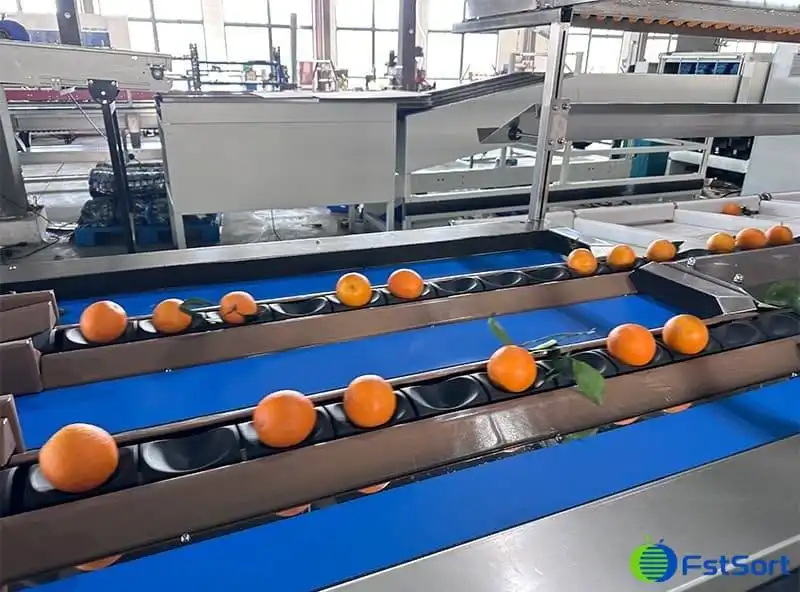
A weight sorter handles each blood orange individually. It weighs every fruit with precision, then directs it to the appropriate packing lane based on its weight.
Why Weight Sorting Works for Blood Oranges | What It Delivers |
|---|---|
Shape doesn't matter | Flat or round—every fruit is weighed individually, so shape doesn't affect accuracy |
Gentle handling | Soft weighing cups and low-drop discharge prevent bruising—the crimson flesh stays intact |
Precision grading | ±2g accuracy ensures every fruit goes to the right grade |
Export-ready | 7–12 weight grades meet the tight specifications of international buyers |
Flexible capacity | 1–4 lanes configurable—scale up as your volume grows |
What the Specs Actually Mean
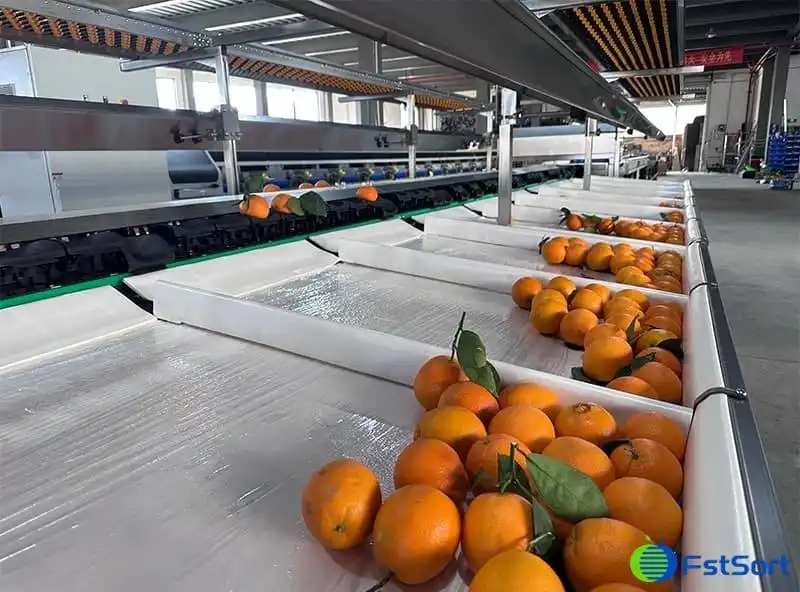
Feature | What It Means for Your Blood Oranges |
|---|---|
25,000 pcs/h per lane | Enough throughput to keep up with commercial harvest volumes |
±2g accuracy | Consistent grading—no guesswork, no mis-grades |
7–12 weight grades | Fine enough for premium export and high-end supermarket requirements |
1–4 lanes | Start with one lane, add more as your business grows |
50–500g range | Covers blood oranges of all sizes—from small to jumbo |
Soft weighing cups | Gentle handling—no bruising, no internal damage |
Touch-screen control | Save profiles for different varieties—switch between crops in seconds |
Want to know more about how to grade blood oranges? Please visit our orange grading machine page →
Sort by Weight. Sell by Value.
Blood oranges are a premium product. They deserve equipment that treats them that way. Diameter graders work for round fruit. But for blood oranges—with their irregular shapes and delicate skin—weight sorting is the better choice.