
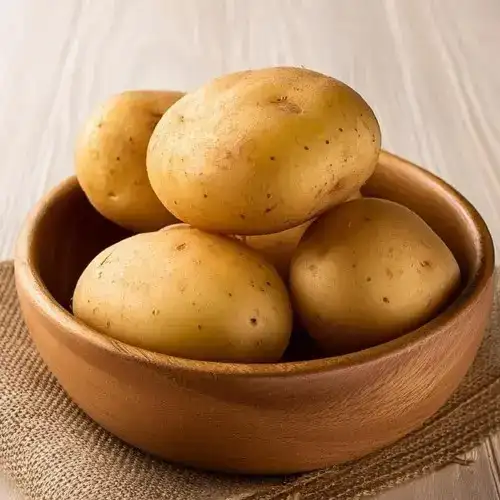
The first potato graders were simple: fixed rollers, one size fits all. They worked — until growers realized that not all potatoes are the same size, and not all buyers pay the same price. Here's how a fixed roller sizer evolved into a complete cleaning and grading line that handles more capacity, more crops, and more market requirements.
First Generation: Fixed Rollers
The earliest potato graders were built around a simple idea: fixed rollers with gaps that never changed. A potato was either small enough to fall through the gap, or it wasn't.
It worked. But it had one major limitation: once the rollers were set, that was it.
If you wanted to change the grade size for a different market, you couldn't. If you wanted to process a different crop, you couldn't. The machine did one thing, and it did it the same way every time.
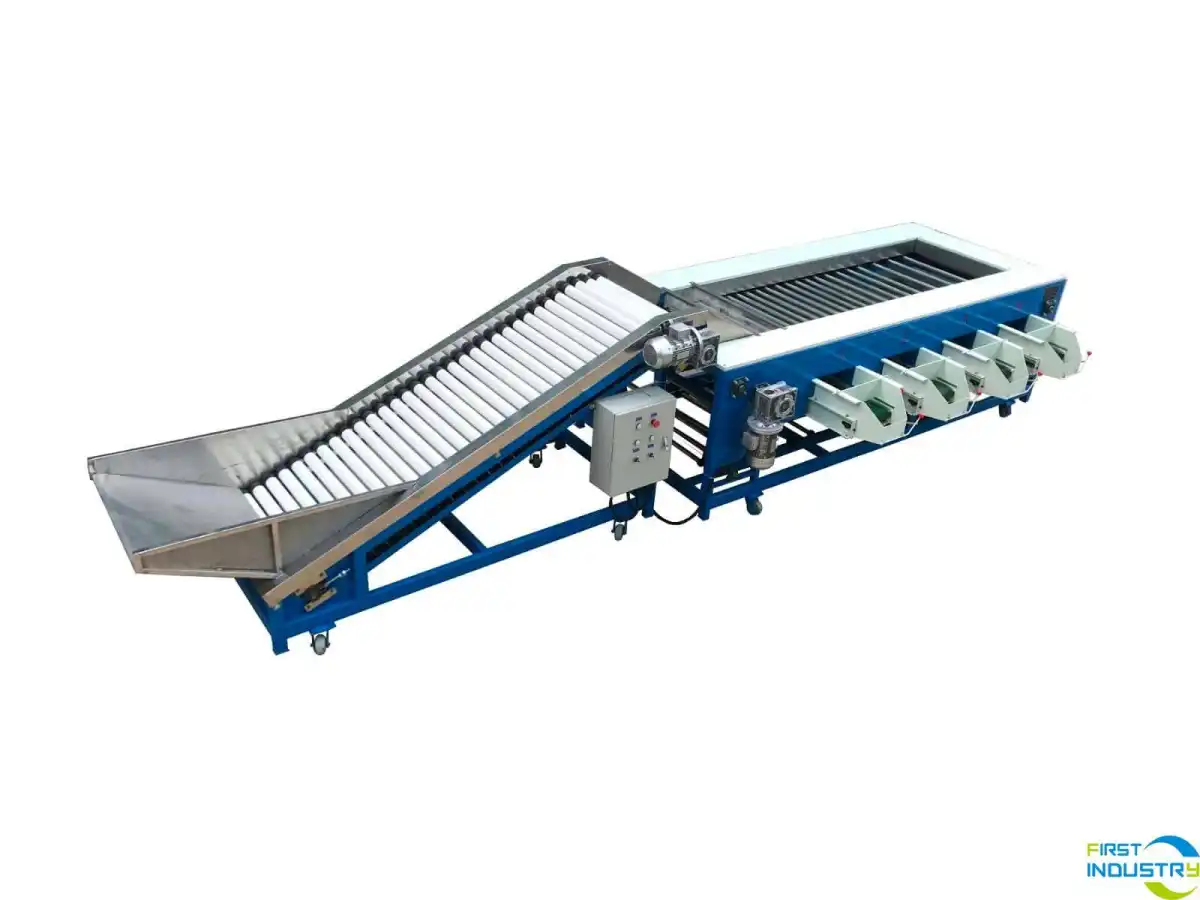
For small farms with consistent output, this was fine. But as potato operations grew and markets became more demanding, fixed rollers became a bottleneck. Growers were locked into one size specification — unable to respond to changing buyer requirements.
Key limitations of first-generation graders:
Limitation | What It Meant |
|---|---|
Fixed roller gaps | Could not adjust to different grade sizes — one size fits all |
No cleaning function | Potatoes went straight from field to grader — dirt and debris stayed on the crop |
No manual inspection | Defects like bruising, rot, and mechanical damage passed through unnoticed |
Single crop only | Could only handle potatoes — no flexibility for other vegetables |
Fixed speed | No way to match the sorting pace to different harvest conditions |
Second Generation: Complete Potato Cleaning and Grading Line
The next generation of potato graders was a complete redesign — not just an upgrade. It added cleaning, manual inspection, and adjustability to create a complete processing line that prepares potatoes from field to pack in one continuous flow.
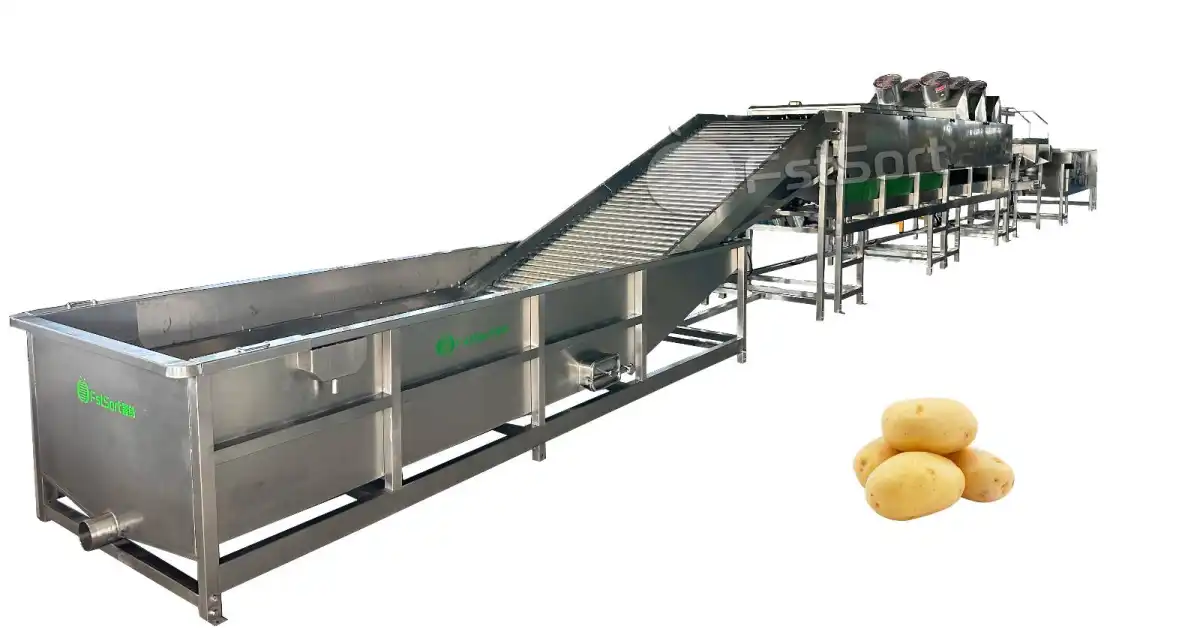
What a second-generation potato line includes:
Component | Function |
|---|---|
Hopper & elevator | Feeds potatoes into the system at a controlled rate |
Brushes cleaning machine | Removes dirt and impurities from the surface — cleaning before grading |
Transitional conveyor | Smooth transfer between cleaning and grading sections |
Roller inspection table | Manual quality check with rotating rollers — workers catch defects the machine might miss |
Adjustable roller grader | Sorts by diameter with adjustable gaps — switch between market specifications |
Key improvements over the first generation:
· Adjustable roller gaps — Change grade sizes without buying a new machine. Adapt to different crops and different markets on the same day.
· Cleaning before grading — Brushes remove dirt, debris, and surface impurities before sorting begins. Cleaner product means more accurate grading and longer shelf life.
· Manual inspection station — Workers can spot bruises, rot, and damage that mechanical sorting alone can‘t detect. Better quality control, fewer rejected shipments.
· Variable speed control — Adjust the sorting pace to match harvest conditions and packing line requirements.
· Multi-crop capability — Handles potatoes, carrots, onions, sweet potatoes, and more — one line for multiple crops.
The Difference: Fixed vs. Complete
Feature | First Generation (Fixed Rollers) | Second Generation (Cleaning & Grading Line) |
|---|---|---|
Roller gaps | Fixed, non-adjustable | Adjustable — change sizes for different markets |
Cleaning | ❌ None | ✅ Brush cleaning removes dirt and impurities |
Manual inspection | ❌ None | ✅ Roller inspection table with lighting |
Transitional conveyor | ❌ None | ✅ Smooth flow between sections |
Variable speed | ❌ Fixed speed | ✅ Frequency converter — match your packing line |
Crop flexibility | ❌ Potatoes only | ✅ Potatoes, carrots, onions, sweet potatoes, and more |
Output quality | Basic size sorting | Clean, polished, uniformly graded potatoes |
One Customer's Story: From Bangladesh
A customer in Bangladesh needed a potato cleaning and grading line that could handle their volume without overwhelming their facility.
Fstsort designed a complete line for them: hopper & elevator, brushes & air blowers, inspection table with lamps, and an adjustable roller grader. The brushes removed dirt and impurities. The air blowers dried the potatoes before grading. The inspection table — partially equipped with lamps — made it easier for workers to spot defects.
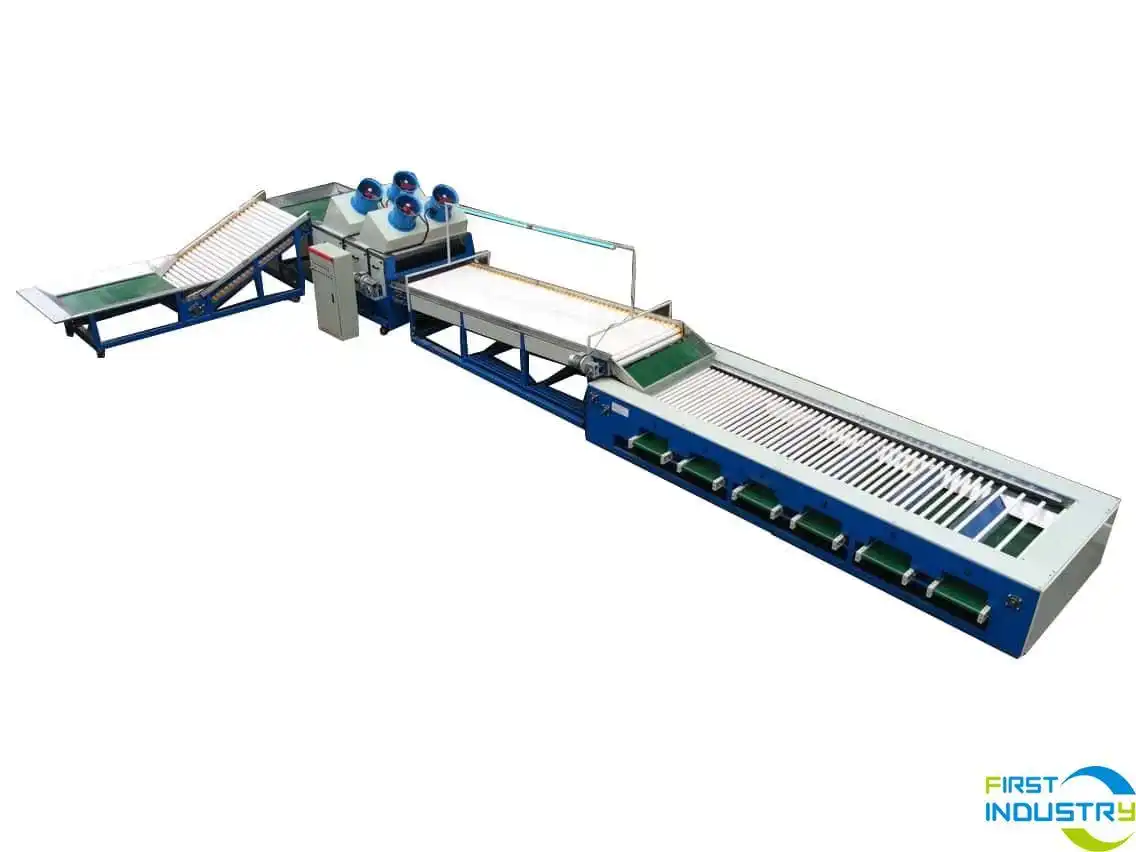
The customer‘s feedback was clear: after brush cleaning and air blowing, potatoes were much easier to sort. The result: a customized line that processes potatoes faster, with less labor, and with consistent quality.
Built for the Real World
Fstsort has supplied potato processing solutions to customers across multiple markets, including Pakistan, India, Mauritius, and other major potato-producing regions.
Every system is customizable — capacity, number of grades, dimensions, and materials can all be designed to your specific requirements.
Explore the full specifications on our potato cleaning and grading machine page →
From Fixed to Complete: The Evolution of Potato Processing
The first potato graders sorted by size — but that‘s all they did. Today‘s complete cleaning and grading lines clean, inspect, sort, and prepare potatoes for market in one continuous flow. They adapt to different grades, different crops, and different markets — without needing a new machine for each change.
The technology has evolved. The question is whether your line has kept up.