
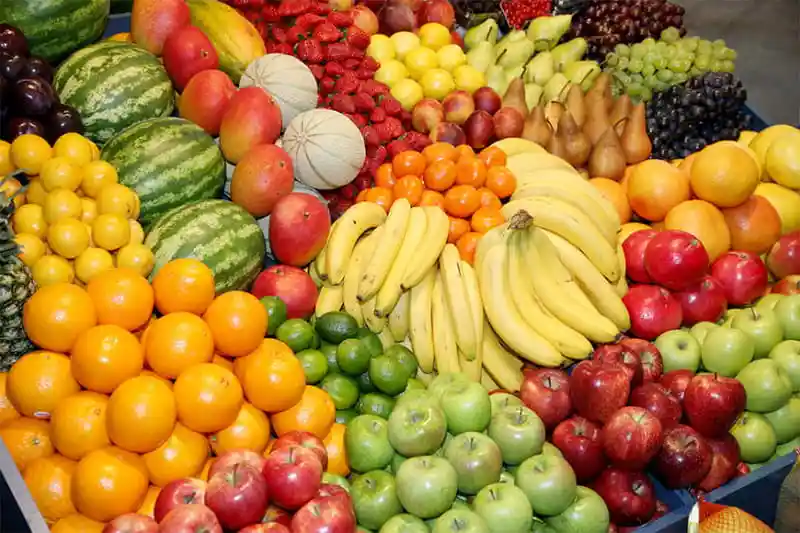
A single day of delayed sorting can drop your fruit‘s market value by 30%. When thousands of tons of fruit come in all at once, every hour counts. Here's how to match the right grader to your fruit size—and protect your harvest's value.
The Cost of Waiting
Fruit doesn't wait. When harvest season hits, the volume is overwhelming. A single orchard can produce dozens of tons of fruit per day. Without fast, efficient sorting, the fruit piles up.
And piled-up fruit doesn't stay fresh. Quality deteriorates. Shelf life shortens. And by the time it reaches the buyer, the price has already dropped.
For fruit packers, the equation is simple: the longer fruit sits unsorted, the less it's worth.
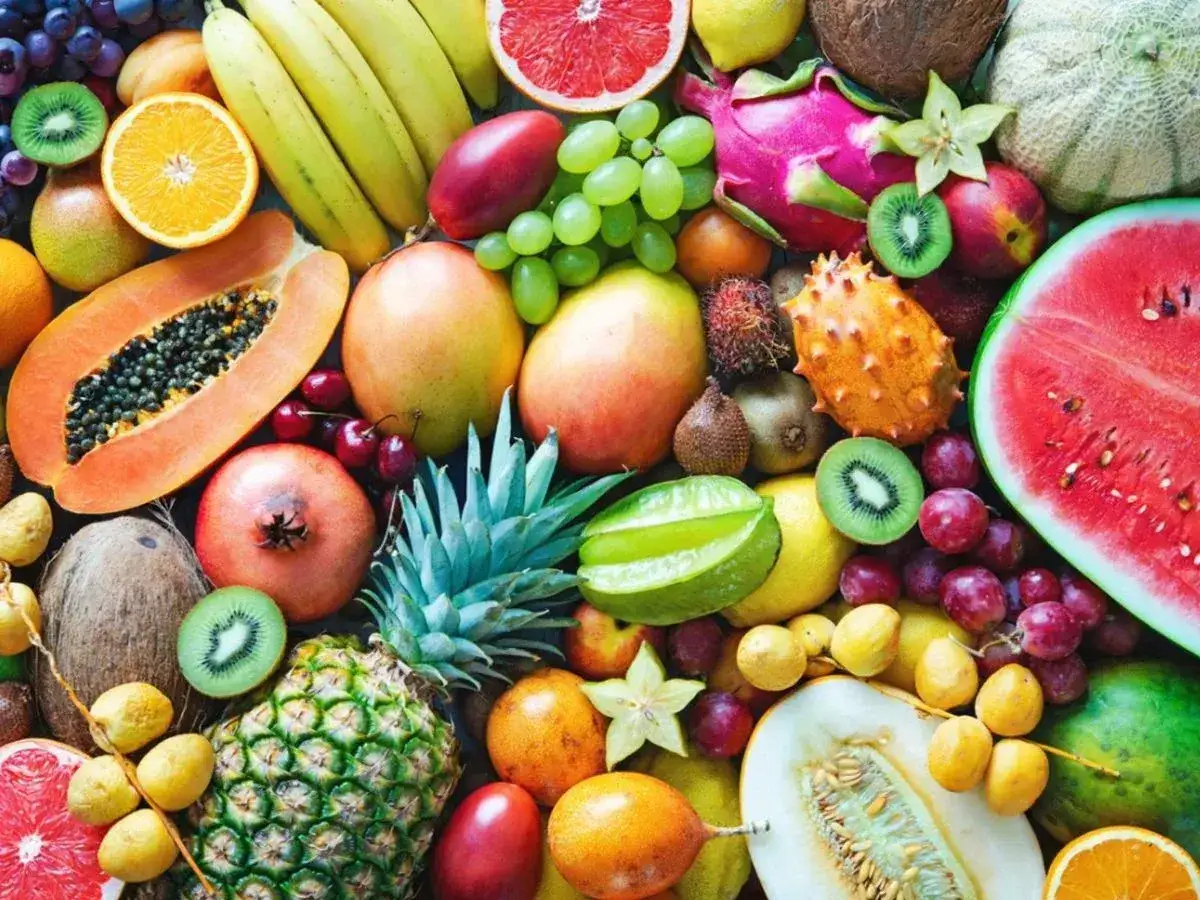
But sorting isn't just about speed. It's about matching the right technology to the right fruit. A grapefruit needs different handling than an apple. An apple needs different handling than a plum. One machine doesn't fit all—and trying to make it fit costs money.
That's why Fstsort offers three dedicated sorting solutions, each designed for a specific fruit size category. And because they‘re modular, you can start with one configuration and expand as your operation grows—without replacing the entire system.
For Large Fruits: Precision Weight Sorting for Export-Grade Grapefruit
Grapefruits, pomelos, and other large citrus fruits present a unique challenge. They're big, heavy, and require careful handling to avoid surface damage. But they also come in high volumes—often tens of tons per day.
For large fruit packers supplying supermarkets or export markets, the electronic weight sorting line delivers the precision that buyers demand.
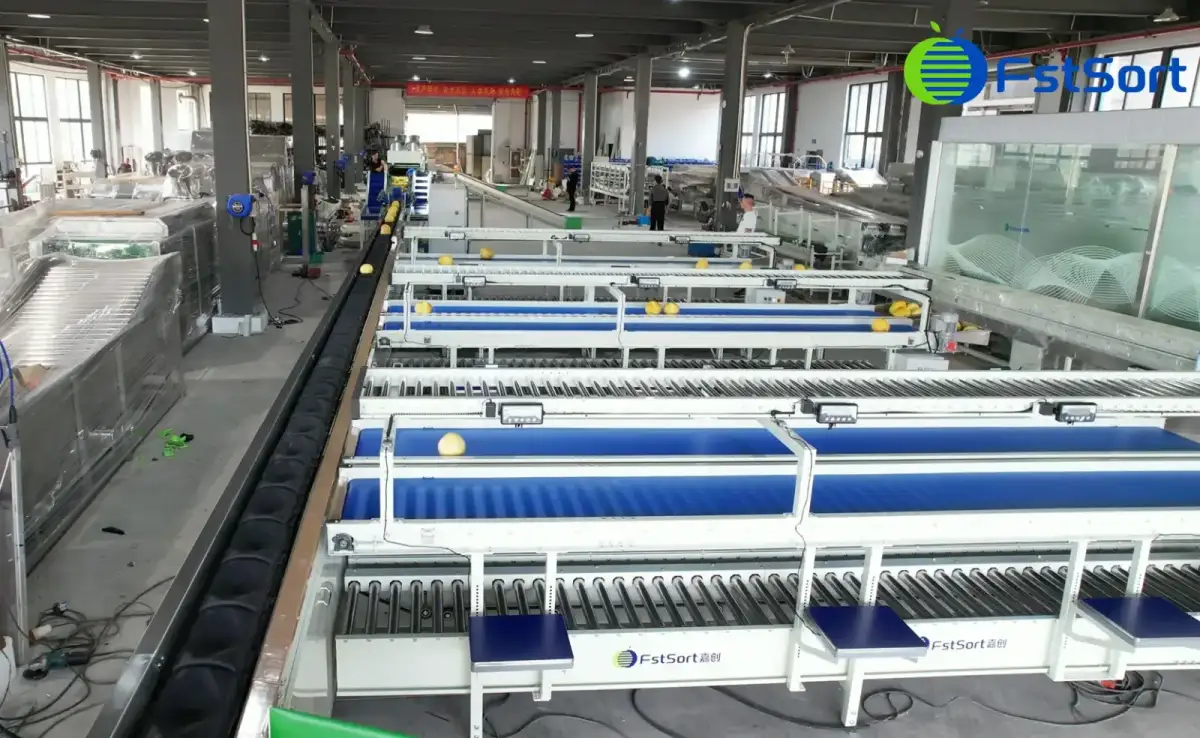
What it delivers:
· ±2g accuracy — meets supermarket and export specifications
· 6–12 weight grades — fine grading for premium markets
· Multi-channel configuration — 2 to 8 channels optional
· Anti-collision design at exits protects fruit during discharge
· Complete line — includes washing, drying, and sorting in one continuous flow
Best for: Premium export markets, uniform weight packing, supermarket supply.
Key capabilities at a glance:
Feature | What It Means for Your Operation |
|---|---|
±2g accuracy | Every grapefruit goes to the right grade—no guesswork, no rejected shipments |
6–12 weight grades | Fine enough for export specifications—serve multiple markets from one harvest |
2–8 channels | Scale throughput to match your volume—start with 2, expand as you grow |
Anti-collision design | Protects fruit at every exit point—no bruising, no damage |
Complete line | Washing, drying, and sorting in one continuous flow—no bottlenecks |
For more information, please visit our grapefruit grading machine page→
For Medium Fruits: High-Capacity Multi-Lane Weight Sorting
Apples are the gold standard for testing equipment gentleness. They bruise so easily that if a machine handles apples well, it handles any fruit well. For medium-sized fruits like apples, pears, and citrus, the linear weight sorter delivers the ideal balance of capacity and precision.
The Fstsort linear weight sorter is built with what we call "Apple-Standard Care" — a set of protective features that prevent bruising at every stage.
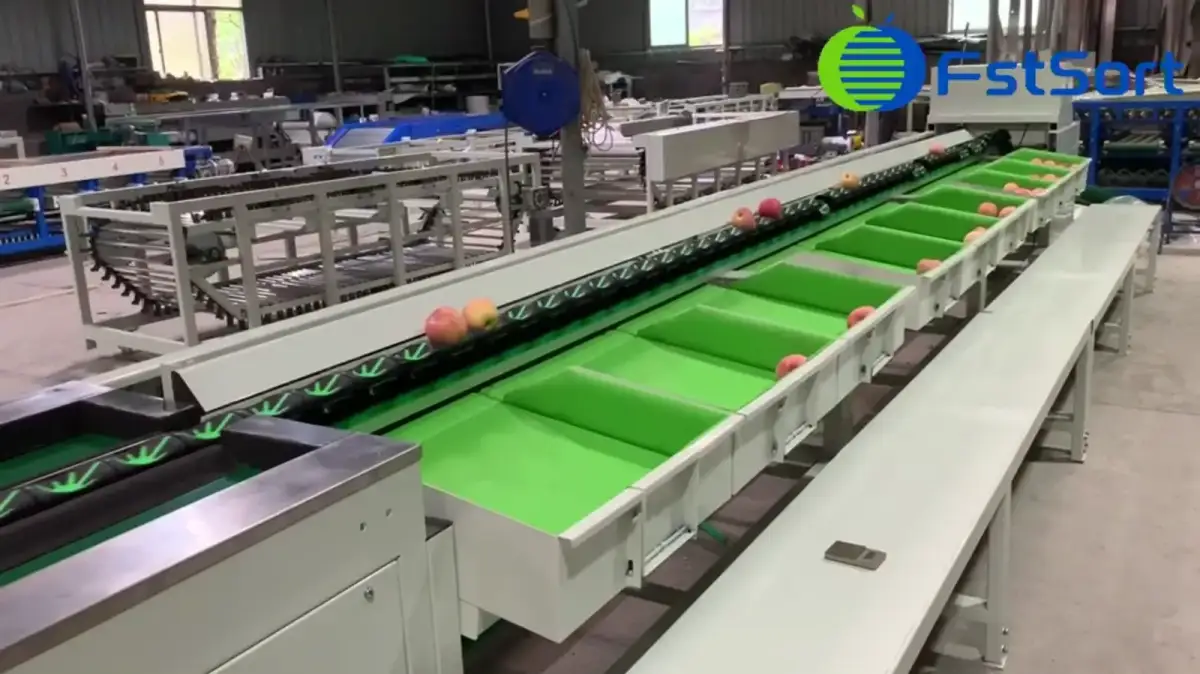
Four layers of protection:
· Water flume feeding — fruit floats into the system, eliminating bruising from dry dumping
· Soft-touch brushes — ultra-soft bristles polish without scratching
· Suspended weighing — fruit sits in deep carriers with no rolling or friction
· Low-drop discharge — minimal fall height with soft landing surfaces
What it delivers:
· 25,000 pcs/h per lane — with 1, 2, or 4 lanes available
· 7–12 weight grades — fine grading for export specifications
· ±2g accuracy — meets the tightest market requirements
· 20–500g weighing range — covers most medium-sized fruits
· Programmable profiles — save settings for Gala, Fuji, Honeycrisp, Pink Lady, or any variety
Minimized post-sorting browning — a common problem with traditional mechanical graders.
Best for: Large apple packers, export orders requiring fine grading (7–12 weight grades), integration with automatic packing systems.
Our machine is suitable for a variety of fruits. For more information about related machines, please visit our apple sorting machines page→
For Small Fruits: High-Speed Multi-Lane Precision
Small fruits like plums, prunes, apricots, and similar-sized stone fruits require a different approach. They're smaller, more delicate, and need fine grading to capture export market value.
The Fstsort electronic weight sorting line for small fruits delivers massive capacity with exceptional precision.
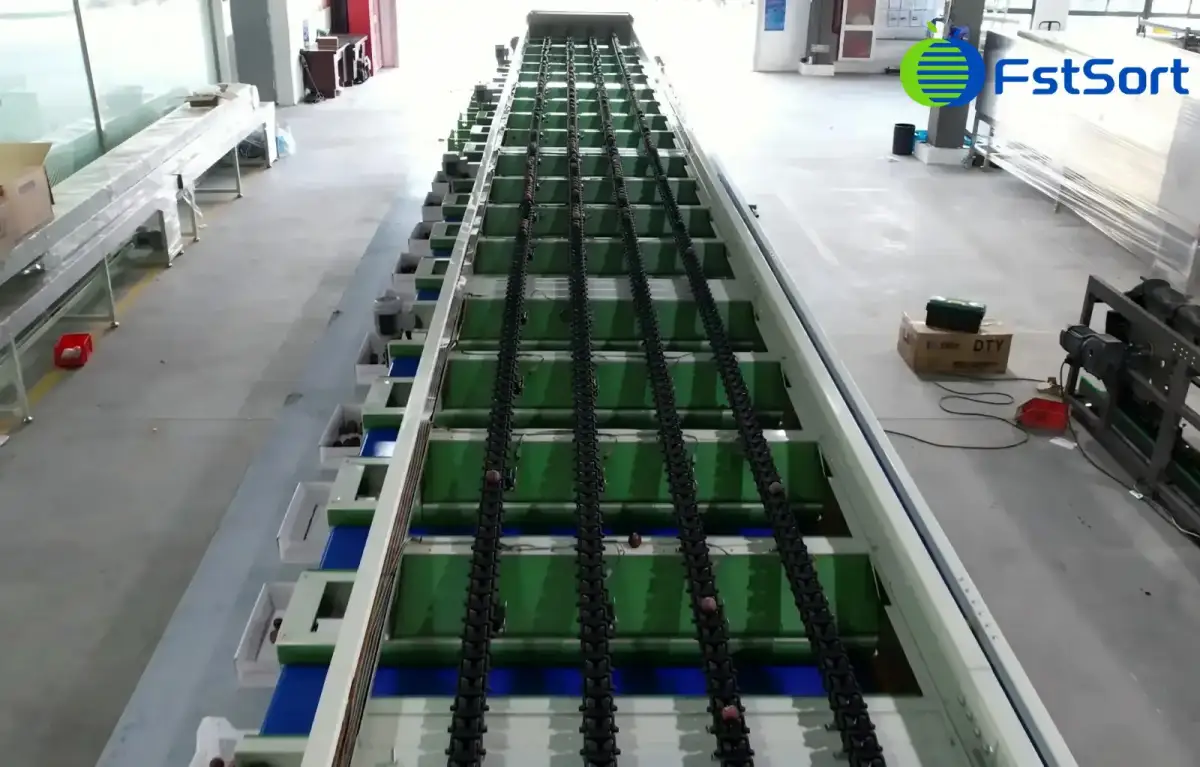
What it delivers:
· 100,000 pieces per hour — enough throughput for commercial packing operations
· 9–16 exits — fine grading for export specifications
· ±2g accuracy — precise weight sorting for uniform packs
· 4 lanes — multi-lane design maximizes throughput
· Roller inspection table included — manual removal of defective fruit before grading
Best for: Commercial packing, export-grade uniformity, high-volume operations.
Want to know more about the weight sorting machine, please visit our plums and apricot grader page→
Optional add-ons:
· Inspection table — manual removal of defective fruit before grading
· Packing table — efficient bagging or boxing at each exit
Fruit Size | Recommended Solution | Key Capability |
|---|---|---|
Large (grapefruit, pomelo) | Electronic Weight Sorting Line | ±2g accuracy, 6–12 grades, 2–8 channels |
Medium (apple, pear, citrus) | Linear Weight Sorter | 25,000 pcs/h/lane, 7–12 grades |
Small (plum, apricot, prune) | Electronic Weight Sorting Line | 100,000 pcs/h, 9–16 exits |
Modular Design: One Investment That Grows With You
All three solutions share one thing in common: they're modular.
Start with the configuration that fits your current volume. Add lanes, upgrade components, or expand to a complete line as your business grows—without replacing the entire system.
Not sure which grader fits your fruit? Explore the full specifications on our fruit sorting solutions page →
Sort by Size. Sort by Value.
Fruit comes in all sizes. The right grader makes sure every piece finds its right market—at the right price. Whether you're processing tons of grapefruit per hour or thousands of plums per minute, there's a solution designed for your fruit.
The technology exists. The question is whether you're using the one that fits your fruit.