
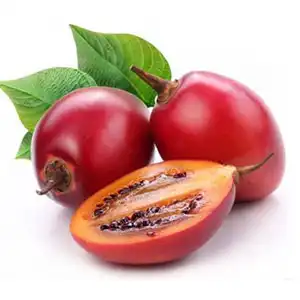
Tamarillo is native to South America and now cultivated across tropical and subtropical regions worldwide. Global tamarillo trade continues to grow, yet post-harvest sorting equipment remains extremely scarce—the high cost of large-scale processing lines puts them out of reach for most small and medium processors. This article examines market trends and grading standards, and explains how Fstsort's roller grader uses a lightweight, low-cost design to achieve precision grading.
Global Tamarillo Trade Is Growing—But Processing Equipment Is Scarce
Tamarillo is native to South America, now widely cultivated in tropical and subtropical regions, including Yunnan and southern Tibet in China. This oval berry is rich in protein, minerals, carotene, and vitamins.
On the trade front, the market is steadily expanding. India's 2024 exports reached $93.08 million, imports $63.14 million—imports doubled in three years. Australia's imports reached $15.04 million. Colombia's fruit sector grew 35%, with tamarillo exports at about $11 million, 60% to the EU. Tamarillos are also processed into seasonings, hot pot bases, juices, and jams.
Yet, tamarillo's market is far smaller than mainstream fruits, and processing equipment is extremely scarce. Large European washing, sorting, and packing lines are suitable but costly, out of reach for most small and medium processors. Many still rely on manual sorting—inefficient, inconsistent, and high-loss.

Tamarillo Sorting: Two Unavoidable Challenges
1. Inconsistent grading standards. Codex has set standards by diameter, weight, or count—minimum 35mm diameter, 45g weight. Different markets use different methods; Europe and the US often differ. A single fixed sorting method struggles to serve multiple markets.
2. Tamarillos are delicate. Thin skin and tender flesh make them prone to epidermal damage during handling. New Zealand research shows fruit scarring is a major cosmetic disorder causing extensive revenue losses, affecting 10-20% of fruit. Every hard contact during sorting can trigger scarring.
Fstsort Roller Grader: A Lightweight Solution Designed for Tamarillos
It is precisely against this industry backdrop that Fstsort has developed a roller grader specifically designed for tamarillos. Unlike large European processing lines, the core design philosophy is: solving real processing challenges with the simplest mechanical structure.

1. Diameter grading: physical precision matching international standards
Tamarillos are oval-shaped, and size grading is the first step in processing. Fstsort's roller grader uses the principle of gradually increasing roller gaps—as tamarillos move forward on the rollers, smaller fruits fall through smaller gaps, larger ones continue until they reach the gap corresponding to their size and naturally drop. The entire process requires no human intervention and no electronic sensors.
International standards recommend grading tamarillos by diameter into multiple grades. Fstsort's roller gaps can be flexibly adjusted based on customer requirements, adapting to different target market grading needs.
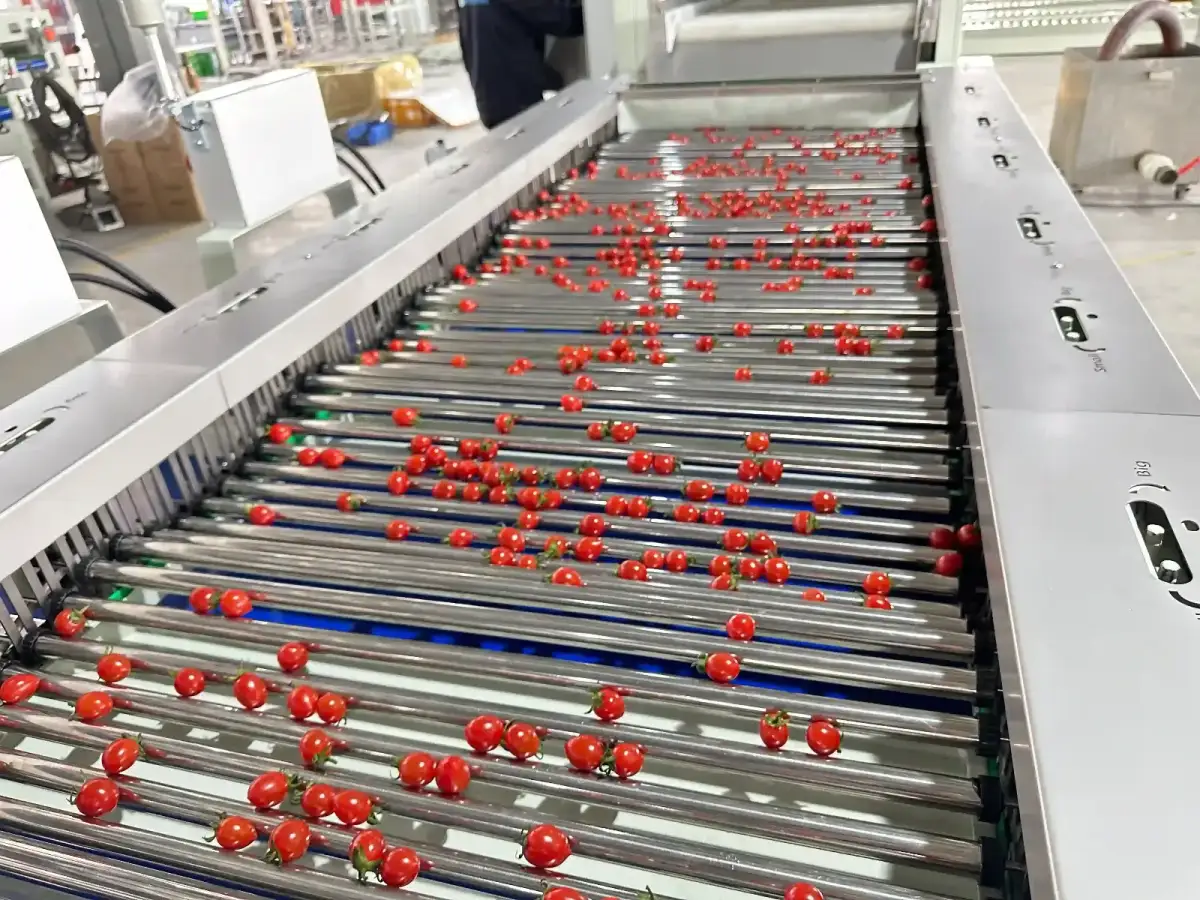
2. Gentle handling: minimizing epidermal damage
Epidermal damage in tamarillos is directly linked to scarring and revenue loss. Fstsort's roller grader has smooth inner walls—tamarillos drop naturally during rolling rather than being squeezed or pinched. This design keeps breakage rates extremely low, protecting the fruit's appearance to the greatest extent possible.
3. Lightweight, low-cost: accessible to small and medium processors
This is precisely where Fstsort's roller grader differs most from large European processing lines. The equipment is lightweight, simple to operate, and compact—with an investment threshold far below that of large-scale lines. For small and medium tamarillo processors, this means achieving mechanized sorting at a reasonable cost—upgrading from manual sorting's "experience-based, human-error-prone" approach to mechanical sorting's "fixed standards, batch consistency".
4. Flexible expansion: from standalone unit to complete line
Fstsort's roller grader can be used as a standalone machine or combined with washing, drying, and weighing/packing modules to form a complete tamarillo processing line. All modules can be flexibly configured based on processing scale and target market requirements.
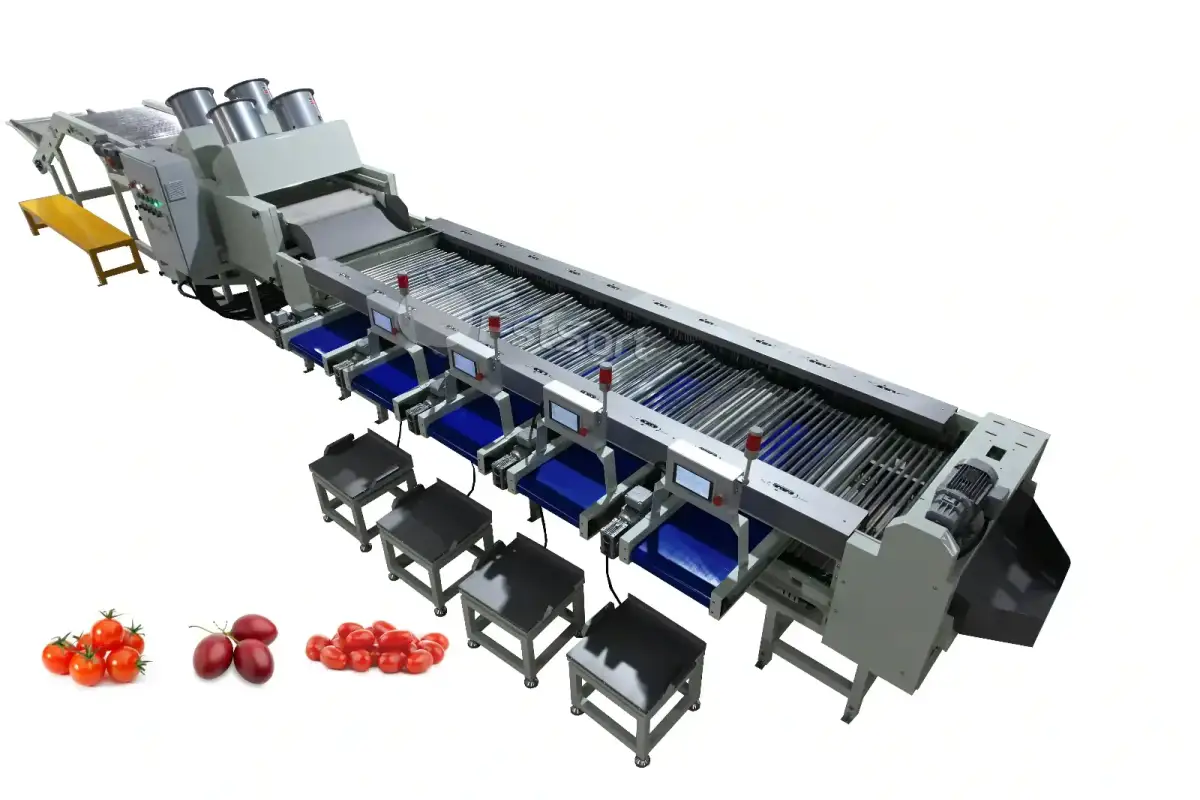
Key Specifications Overview
Parameter | Specification |
|---|---|
Sorting principle | Gradually increasing roller gaps |
Sorting standard | By diameter (adjustable) |
Applicable products | Tamarillo, cherry tomato, grape tomato, etc. |
Optional modules | Washing, drying, box filling & weighing |
Capacity | 1,500 kg/h |
The above is a key specifications overview of Fstsort's tamarillo roller grader. For complete technical specifications and selection guidance, please view the cherry tomato grading machine product page→
From Grader to Complete Processing Solutions
Grading is just one step in tamarillo post-harvest processing. Fstsort offers complete tamarillo processing solutions covering from infeed, washing, grading to weighing and packing—from roller graders to bubble washing tanks, air dryers, and box filling & weighing systems, all modules can be flexibly configured based on fruit characteristics and target market requirements.
Want your tamarillo processing line to replace manual experience with precision grading and control investment costs with a lightweight solution? Learn more about Fstsort's tamarillo roller grader and complete processing solutions→