
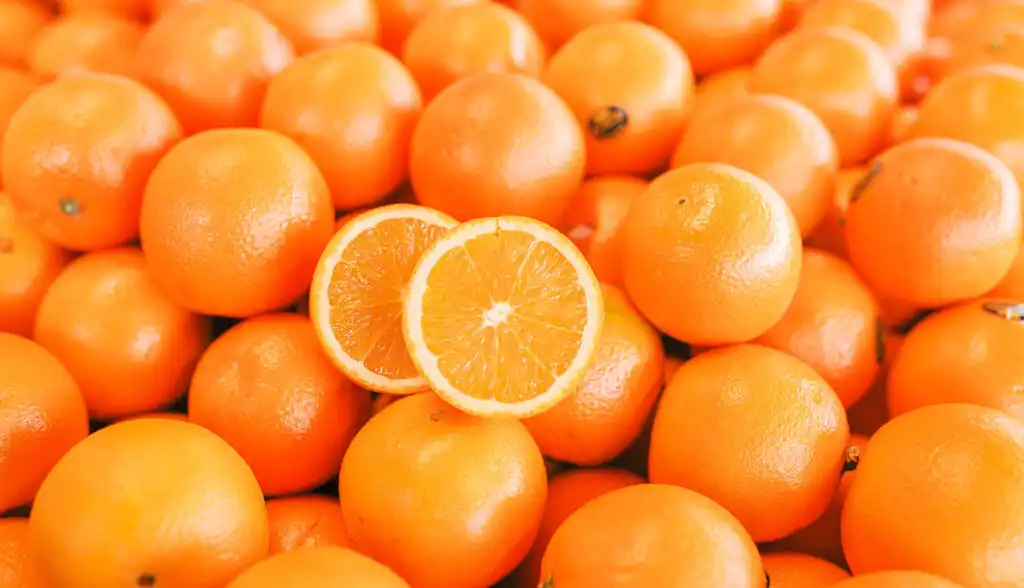
Spain is Europe‘s citrus powerhouse — but maintaining that position means meeting the rising quality expectations of export markets. Here’s how smart packers are staying ahead.
Spain's Citrus Industry: A European Powerhouse
Spain's diverse landscape and Mediterranean climate create ideal conditions for citrus cultivation. Warm temperatures, long sunshine hours, and coastal winds give Spanish citrus its distinctive richness and flavor.
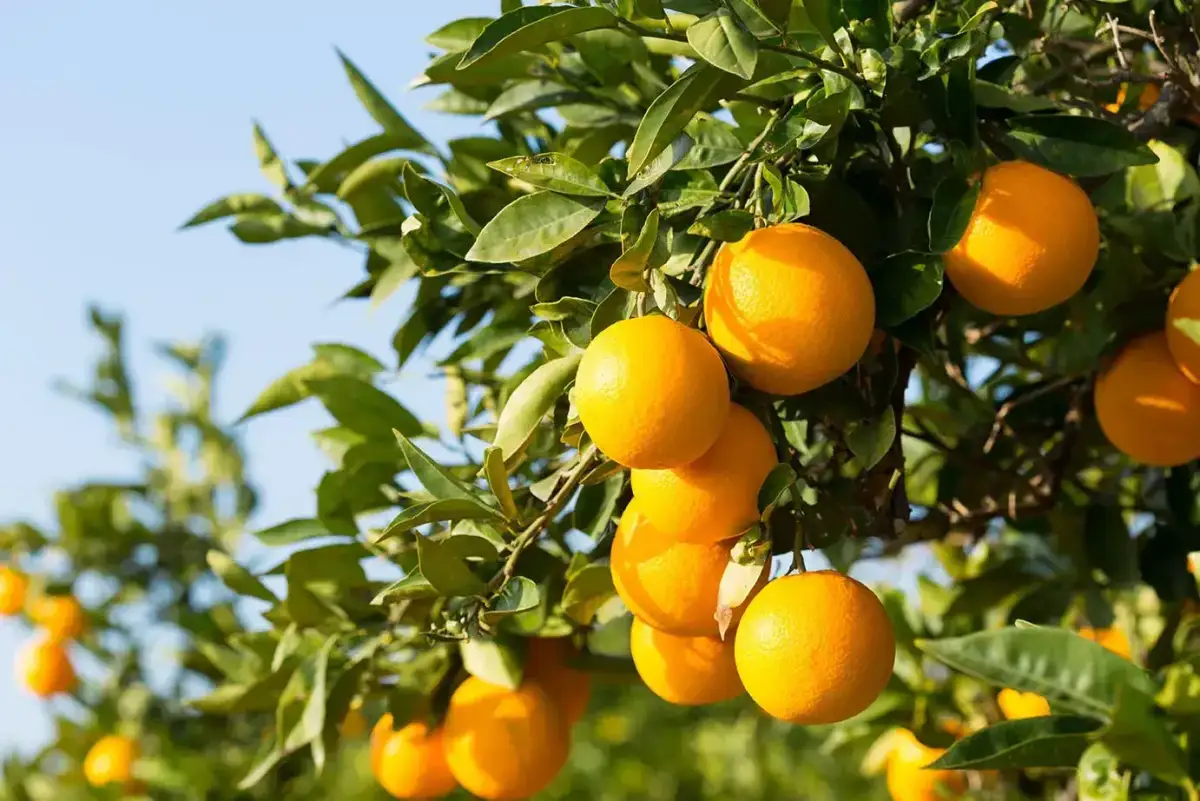
Today, Spain stands as Europe's largest citrus exporter and the fifth-largest in the world. From the groves of Valencia and Murcia to the orchards of Andalusia, millions of tons of oranges, mandarins, lemons, and grapefruits leave Spanish ports each year for markets across Europe, North America, and Asia.
But being the biggest doesn't mean it's easy.
The Challenge Behind the Volume
Exporting citrus at scale comes with a hidden challenge: quality consistency.
European supermarkets and international buyers have become increasingly demanding. They don't just want citrus that looks good on the outside — they want uniform sizing, consistent coloring, and fruit that arrives at the destination in the same condition it left the packing house.
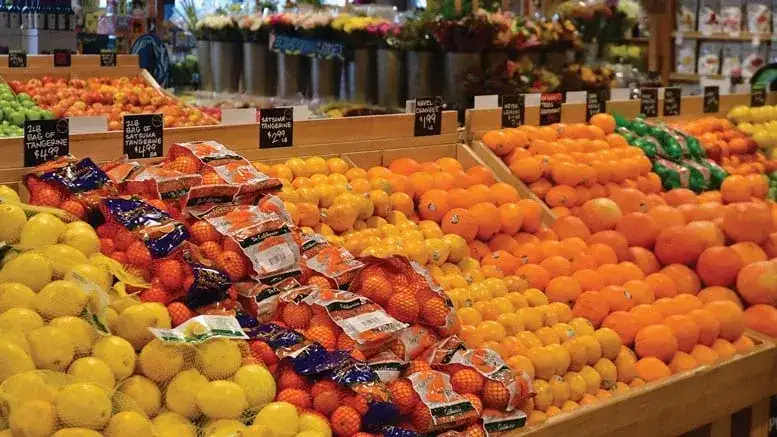
Here's what that means for Spanish packers:
Challenge | Why It Matters |
|---|---|
Uniform sizing | Supermarkets pack by size — mixed grades mean rejected shipments |
Consistent appearance | Export buyers demand fruit that looks as good as it tastes |
Extended shelf life | Fruit must survive shipping and still arrive in sellable condition |
Labor shortages | Manual sorting is increasingly expensive and hard to staff |
For Spanish packers supplying the demanding European retail sector — not to mention export markets in Asia and North America — the pressure is on. The question isn't whether to sort. It's how to sort with the precision and consistency that modern buyers demand.
The Shift to Modular Processing
This is where Fstsort comes in.
Fstsort has been working with citrus packers across Spain and other Mediterranean markets, helping them transition from standalone washers and manual sorting tables to modular processing lines that handle the entire post-harvest journey in one continuous flow.
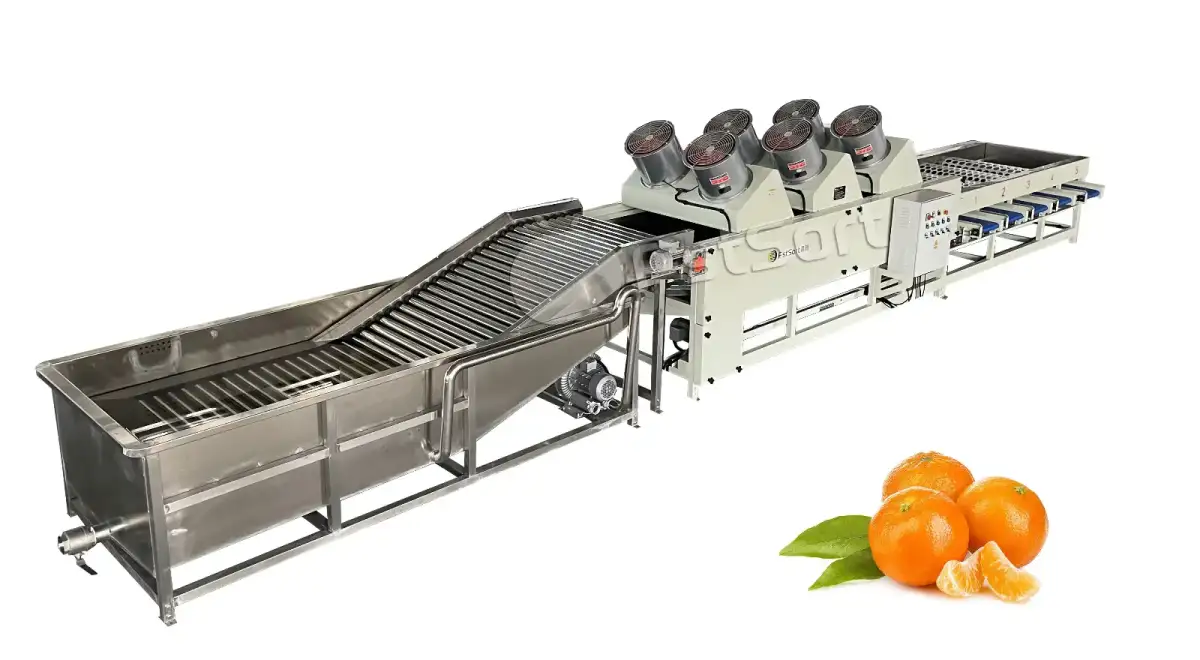
A typical Fstsort modular line covers four stages:
· Cleaning — Removes dirt, debris, and field residue from the fruit surface
· Waxing — Applies food-grade wax for shine and extended shelf life
· Drying — Removes excess moisture before grading
· Grading — Sorts fruit by diameter, weight, or external defects
The grading stage is where Fstsort's engineering really makes a difference. Depending on the target market, packers can choose between three technologies — all designed with the gentle handling that citrus demands:
· Roller graders — High-capacity diameter sorting for standard market grades
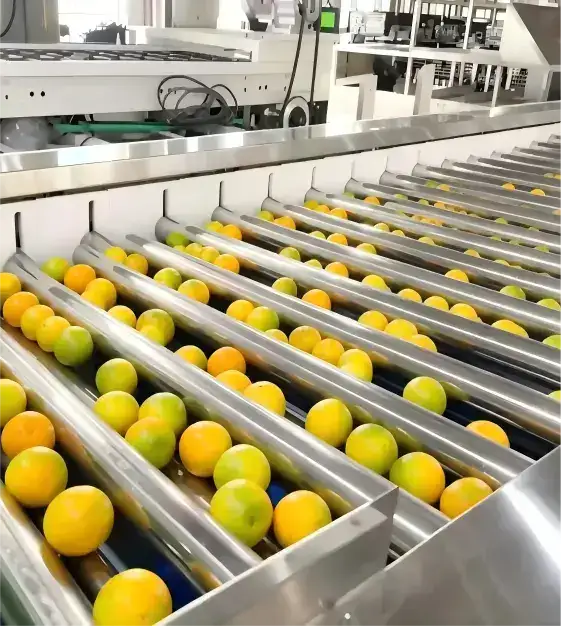
· Electronic weight sorters — ±2g precision for retail pack specifications
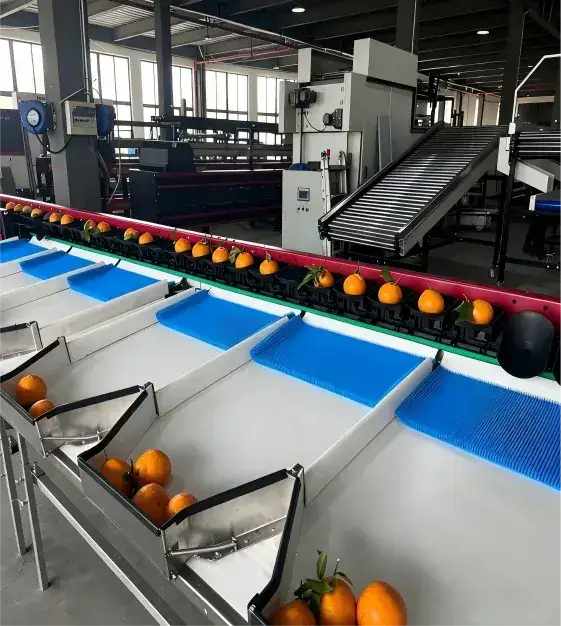
· Optical sorters — Color and blemish detection for premium export markets
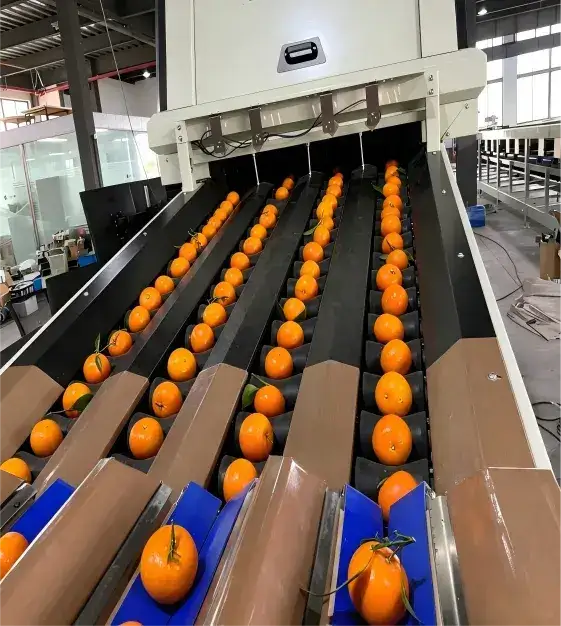
What makes Fstsort lines truly powerful is flexibility. Spanish packers who grow multiple citrus varieties — oranges for one market, mandarins for another, lemons for a third — can switch between sorting programs with minimal downtime.
Fstsort has already helped citrus packers in Spain, South Africa, and the Middle East upgrade their processing lines to meet the exacting standards of European and Asian buyers. The result: consistent grades, fewer rejected shipments, and access to premium pricing.
Curious which grading technology fits your citrus? Explore Fstsort's modular mandarin processing line for complete specifications →
The Competitive Edge
For citrus exporters, the stakes are clear. Europe is the world's most demanding fresh produce market. Asian and North American buyers are catching up fast. The packers who can deliver consistent, export-grade quality will capture premium pricing. Those who can't will be left behind.
The technology to meet these standards exists. The question is whether your line is ready for the next export season.