
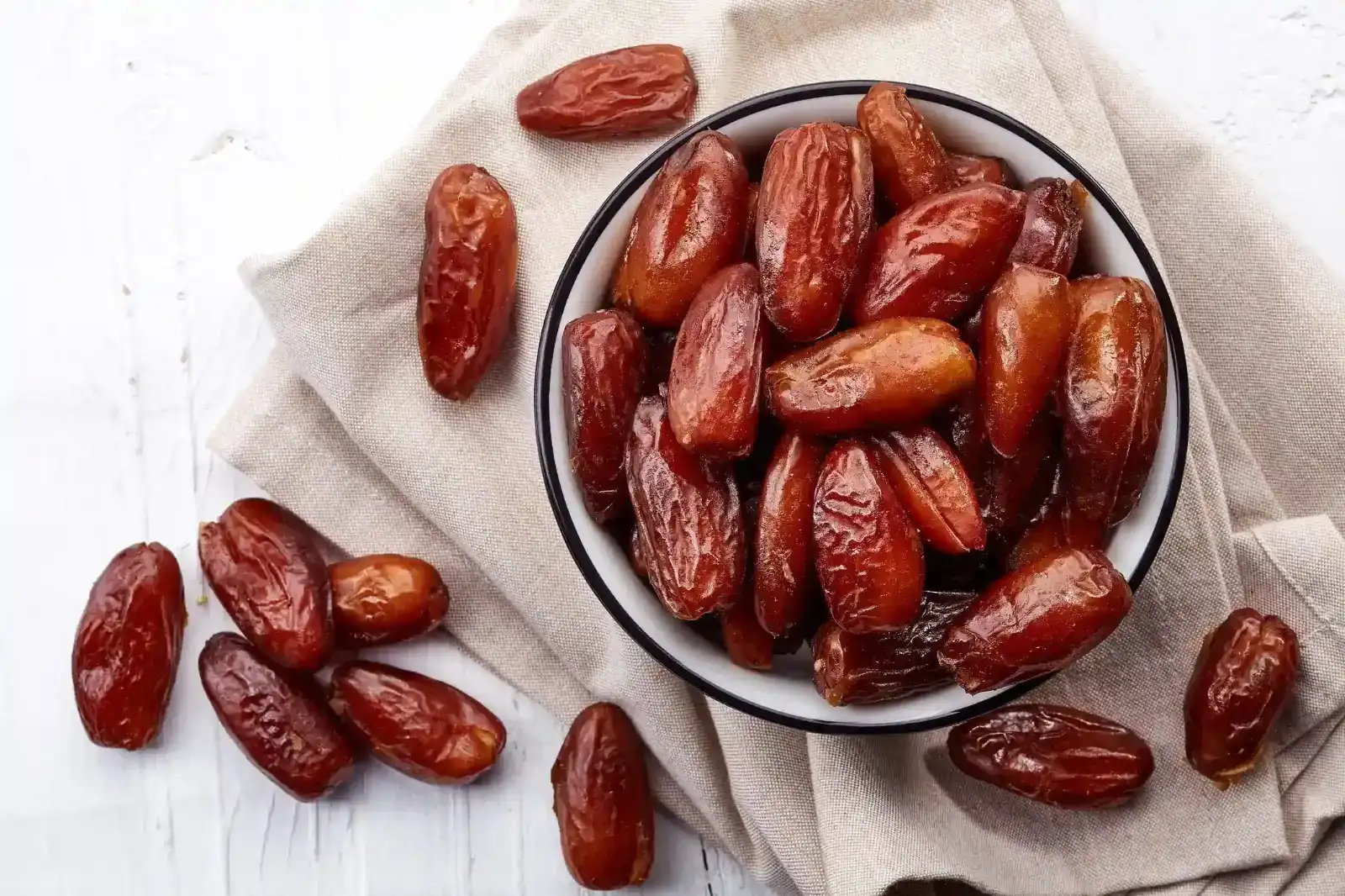
For over a thousand years, date palms have been cultivated across the Middle East—sustaining communities from the Arabian Peninsula to Iran and Egypt. But not all dates are the same. Dry dates and wet dates look similar, but they demand completely different processing approaches—and choosing the right one starts with knowing which you have.
The Dry Date vs. Wet Date Difference
In the Arab region, dates have been a staple for more than a thousand years. They are essential in the daily lives of people across the Middle East—whether as food, as part of cultural traditions, or as a vital agricultural commodity. Iranians, Iraqis, Egyptians, and others in the region have long relied on dates as both sustenance and economic resource.
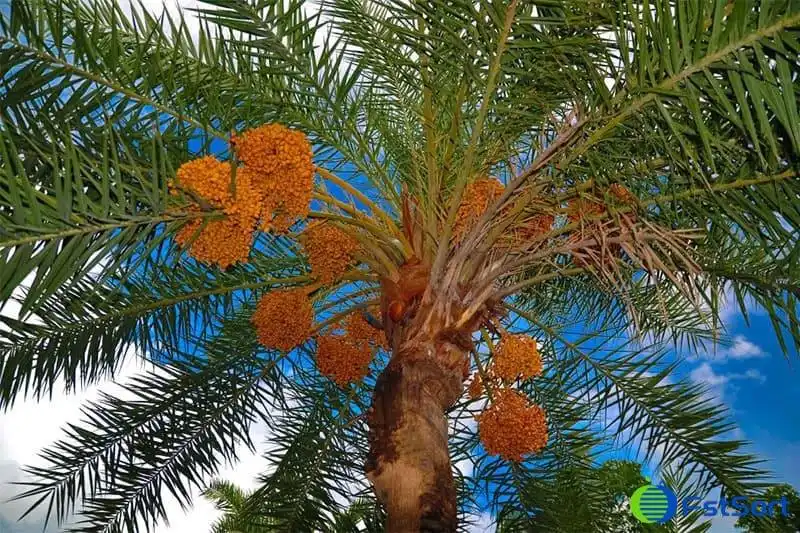
But here's what many growers and processors don't realize: dry dates and wet dates are not interchangeable when it comes to processing.
Dry dates are naturally lower in moisture. They hold their shape well, making them ideal for pitting, size sorting, and polishing. Dust and sand can be easily removed from their surface without risk of damaging the fruit.
Wet dates, on the other hand, have higher moisture content. They are softer, more delicate, and more prone to damage during handling. They require a different approach—one that prioritizes gentle handling to avoid crushing or bruising.
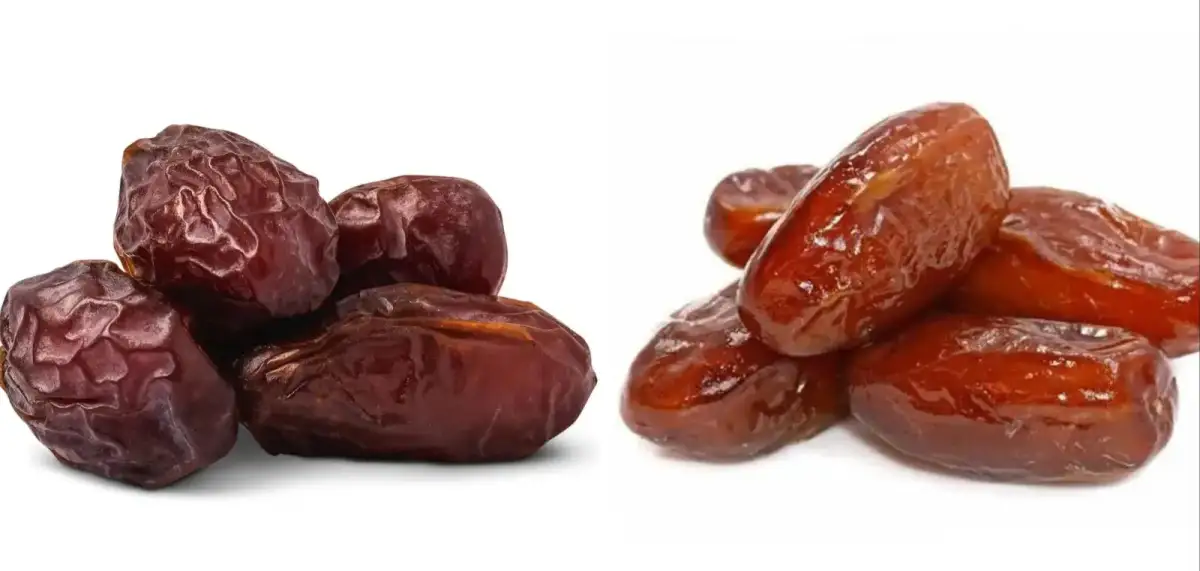
The varieties may differ—Medjool, Barhi, Piarom, Mazafati, Rabbi, and many others—but the critical factor is not the variety. It's whether the date is dry or wet.
Why Processing Dry Dates Is Straightforward
Dry dates have a firm texture and lower moisture content. This makes them easier to handle in several ways:
· Pitting — The flesh holds together, so pits can be removed cleanly without tearing the fruit
· Size sorting — Dry dates maintain their shape, so diameter-based sorting is accurate and consistent
· Polishing — Dust and sand on the surface can be removed with soft brushes without damaging the fruit
For dry dates, a Dates Grader combined with a Polishing Grader is usually the most efficient solution. The polishing section uses soft brush rollers to gently remove surface dust and loose particles—without adding moisture. The grader then sorts by diameter with 3–6 adjustable sizes, processing 2–3 tons per hour.
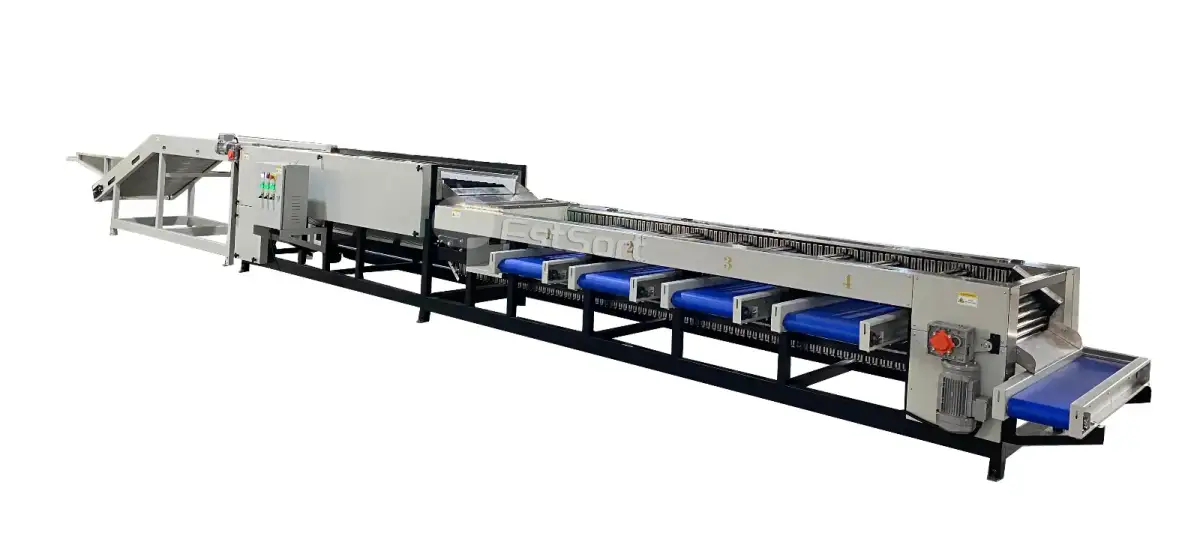
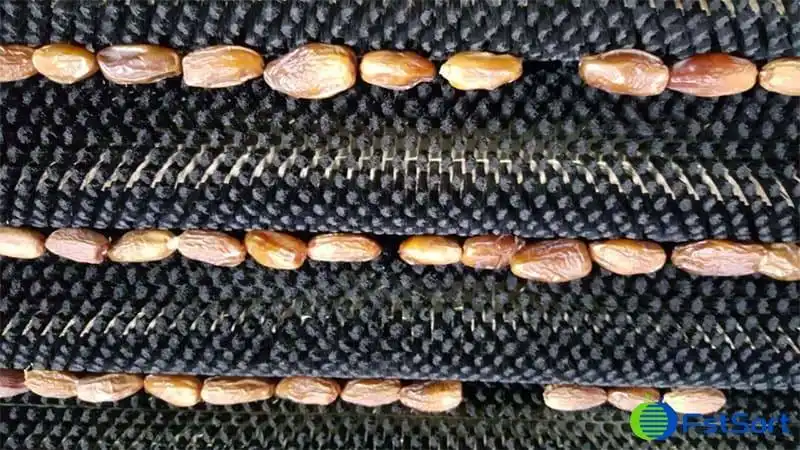
The result: clean, uniformly graded dry dates ready for packaging or further processing.
Why Wet Dates Need a Different Approach
Wet dates are a different story. Their higher moisture content makes them softer and more fragile. Rough handling during cleaning or grading can damage the fruit's delicate skin, reducing its visual appeal and market value.
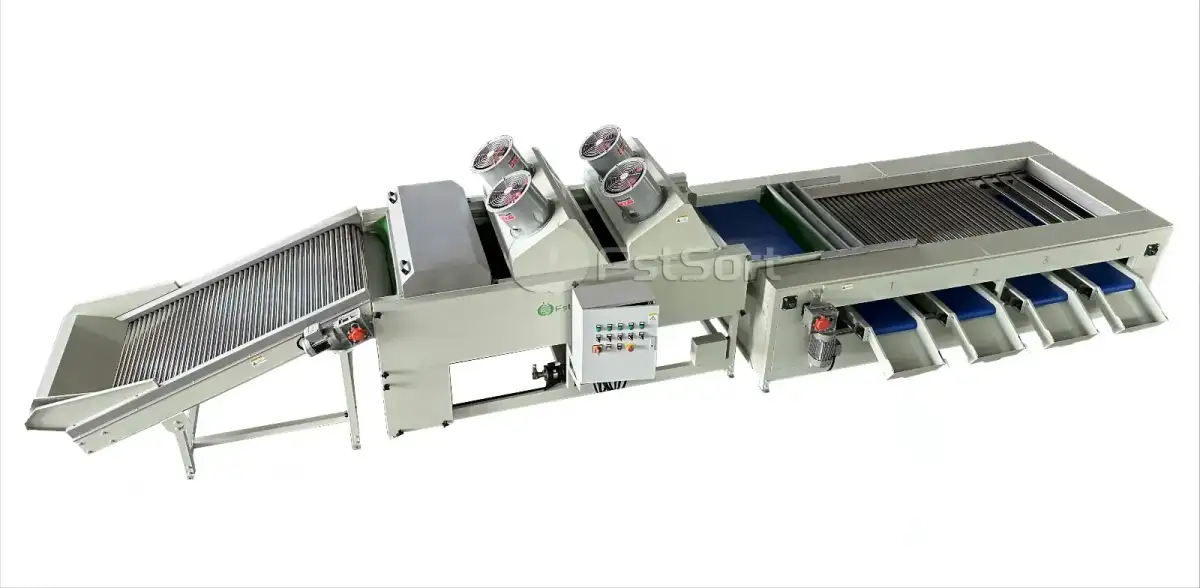
For wet dates, a Washing-Drying-Grading Line is the recommended solution. It handles the entire post-harvest journey in one continuous flow:
Stage | Equipment | Purpose |
|---|---|---|
1. Deep washing | Water tank + brushes with spray | Removes debris and residue without crushing the fruit |
2. Drying | Air dryers | Removes surface moisture before grading—critical for extending shelf life |
3. Grading | Roller grader | Sorts by diameter with 3–6 adjustable sizes |
4. Packing | Outlets with packing options | Graded dates move directly to packing stations |
The entire line is built with 304 stainless steel on all food-contact surfaces—ensuring hygiene, durability, and easy cleaning. Capacity reaches 3 tons per hour, with gentle handling at every stage to protect delicate wet dates.
One Critical Decision Before You Buy
Many date processors focus on variety when choosing equipment. But variety matters less than moisture content.
A Medjool date that's dry processes completely differently from a Medjool date that's wet. The variety name doesn't tell you how to handle it. The moisture level does.
Before you choose a machine, ask yourself: are your dates dry or wet?
· Dry dates → Dates Grader + Polishing Grader (optional)
· Wet dates → Washing-Drying-Grading Line
Built for Date-Producing Regions
Fstsort date processing equipment is already operating across the Middle East and beyond—in India, Saudi Arabia, Oman, Libya, and other date-producing regions. Each line is customized to the specific date variety, throughput target, and facility layout.
Whether you're processing dry dates for pitting or wet dates for fresh export, there's a solution designed for your dates.
Explore the full specifications on our dates grading machine page →