
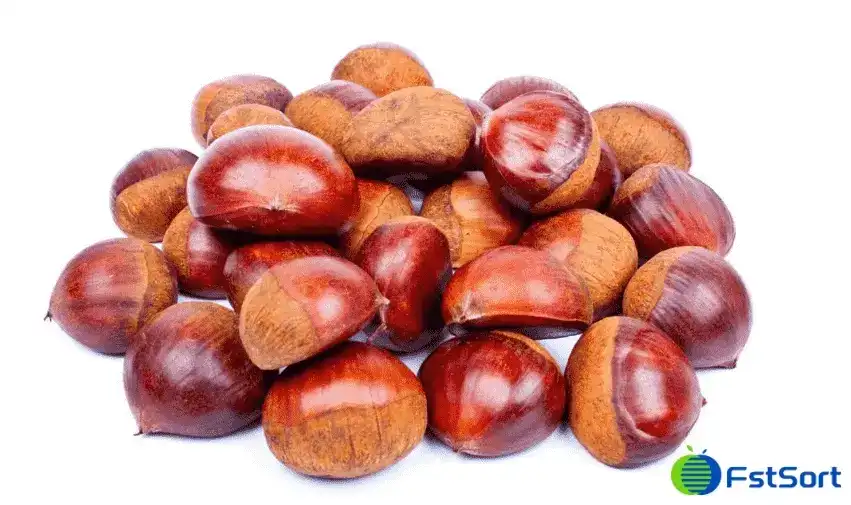
September is chestnut season. The nuts come in, tons of them—some perfect, some riddled with worms invisible from the outside. Spotting the bad ones by eye is nearly impossible. Here's how a washing and grading line separates the good from the bad—without cracking a single nut.
The Hidden Problem: Worms You Can't See
Chestnuts are harvested in September. They look perfect on the outside. But inside, some are already hollowed out by worms that entered during the growing stage.
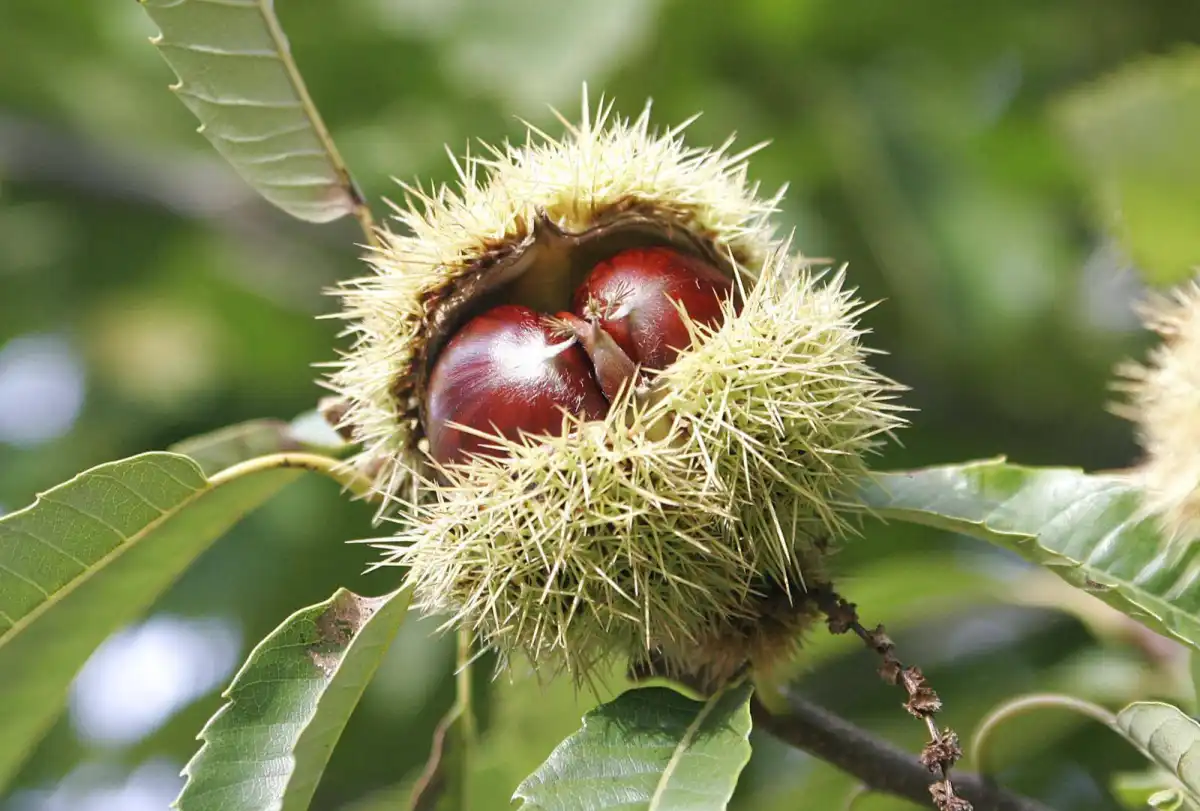
The problem is, you can't tell by looking. A chestnut with a single tiny hole—or no visible hole at all—can be completely destroyed inside. Manual sorting can't catch them reliably. Workers would have to crack or deform every nut to check.
For producers and processors, this is a constant headache. A single bad chestnut in a pack can ruin a customer's trust. Sorting through thousands of nuts by hand is slow, expensive, and never fully accurate.
The Floating Solution: How Water Separates Good from Bad
The Fstsort chestnut washing line is built around a simple but clever principle: good chestnuts sink. Bad chestnuts float.
When chestnuts enter the bubble washing tank, the water does the sorting that human eyes can't. Healthy chestnuts are dense and heavy—they sink immediately. Worm-damaged nuts, on the other hand, have been hollowed out from the inside. They're lighter than water, so they float to the surface.
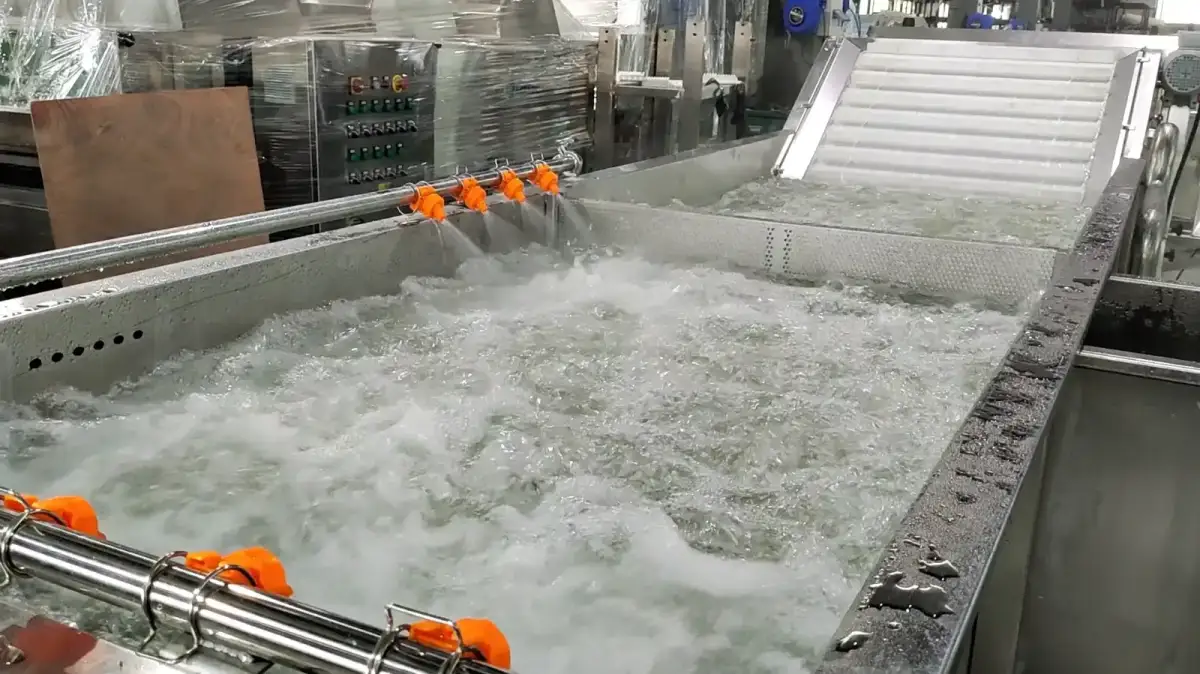
Here's what happens next:
· Debris removal — A filter screen catches floating shells, leaves, and other debris, directing them to a collection tank for easy removal
· Good nuts move forward — The healthy, dense nuts continue through the elevator to the next stage
· Manual inspection — A roller inspection table lets workers spot any remaining defects without cracking nuts
The result: worm-damaged chestnuts are automatically removed before they ever reach the grading stage. No cracking. No guesswork. No bad nuts slipping through.
From Clean to Graded: Size Sorting by Diameter
Once washed, the chestnuts move to the drum screen grader.
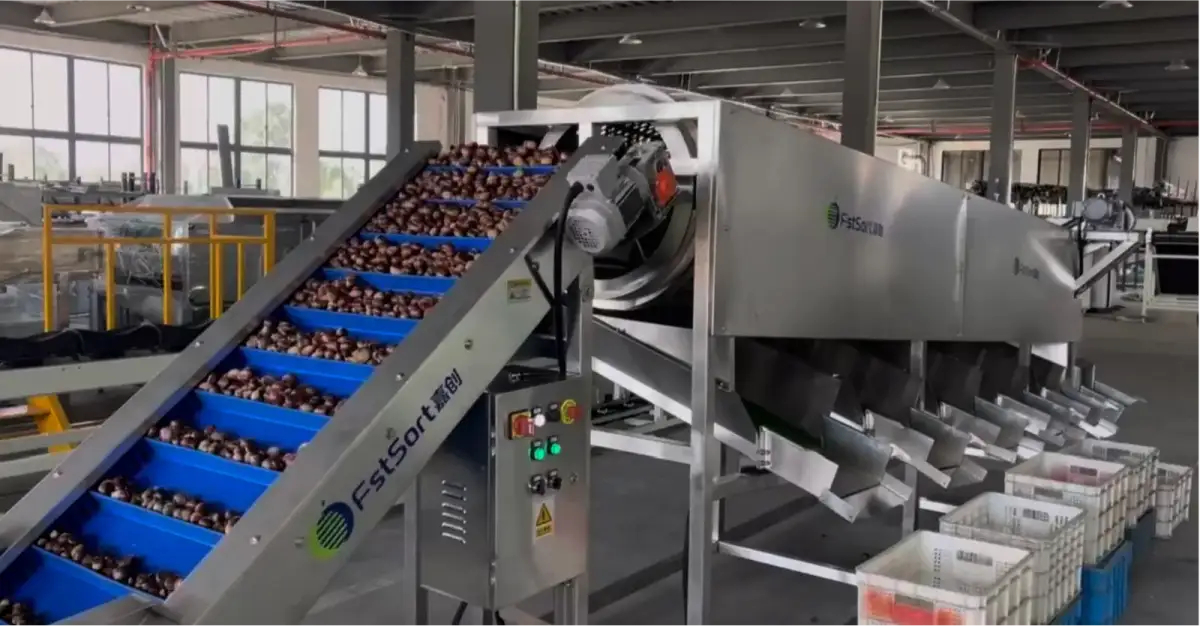
Unlike roller graders—which are not suitable for chestnuts—the drum screen grader uses round holes that match the natural shape of chestnuts. Chestnuts gently tumble through the rotating drum and fall through holes of increasing sizes.
What this delivers:
Feature | What It Means for Your Operation |
|---|---|
3–6 adjustable grades | Sort chestnuts into small, medium, large, extra-large, and jumbo—sell each grade to the right market |
5–10 t/h capacity | Enough throughput to handle commercial harvest volumes |
Gentle tumbling | No cracking, no jamming—chestnuts stay intact |
Customizable hole sizes | You measure your chestnuts; we build the drum to match your exact diameter requirements |
Easy drum changes | Switch between size ranges for different markets in minutes |
The result: chestnuts that are clean, worm-free, and sorted by size—ready for retail, export, or processing.
Built for Chestnut Producers
Fstsort has already delivered customized chestnut processing solutions to customers worldwide, including a complete washing line for an Australian client (bubble washer + brushes & sprayer + roller inspection table).
Both the washing line and the drum screen grader can be purchased individually or combined into a complete line. Each system is customizable to match your specific chestnut variety, throughput target, and facility layout.
Explore the full specifications on our chestnut washing, drying and grading line page →