
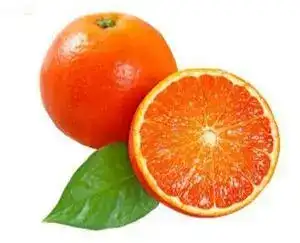
In January 2019, Zizhong County introduced its first intelligent 4.0 sorting and washing machine—capable of measuring not just size and weight, but also sugar content and acidity. That same year, Zizhong blood oranges obtained official export qualification. Here's why export markets demand precision grading—and how the right equipment makes it possible.
A Blood Orange Success Story
The Zizhong blood orange is not native to China. It originated in Italy, where it is known as the Tarocco blood orange—prized for its deep red flesh, sweet flavor, and high antioxidant content. In 1992, the Citrus Research Institute of the Chinese Academy of Agricultural Sciences introduced the variety to Zizhong County, Sichuan Province.

Today, Zizhong has become China's blood orange capital. The planting area has reached 280,000 mu—accounting for 60% of the country's total—with an annual output of 400,000 tons.
In January 2019, Zizhong achieved a significant milestone: the county's blood oranges obtained official export qualification. This opened the door to premium markets where quality standards are non-negotiable.
What Export Buyers Require
Exporting blood oranges is not the same as selling them domestically. International buyers—whether in Europe, Southeast Asia, or the Middle East—have strict requirements that go far beyond what local consumers expect.
For blood oranges, the key quality factors are:
Requirement | Why It Matters |
|---|---|
Uniform sizing | Supermarkets pack by size—mixed grades mean rejected shipments |
Consistent color | The deep red flesh is the blood orange's signature feature—buyers expect it |
No surface defects | Scars, sunburn, or mechanical damage reduce market value |
Sugar content | Export buyers demand consistent sweetness—the 4.0 sorter measures it |
Acidity balance | The sweet-tart balance is what makes blood oranges distinctive |
Meeting these standards starts in the orchard—but it's completed at the packing line. Without precise grading, even the best fruit can fail to meet export specifications.
How Roller Grading Helps Blood Oranges Meet Export Standards
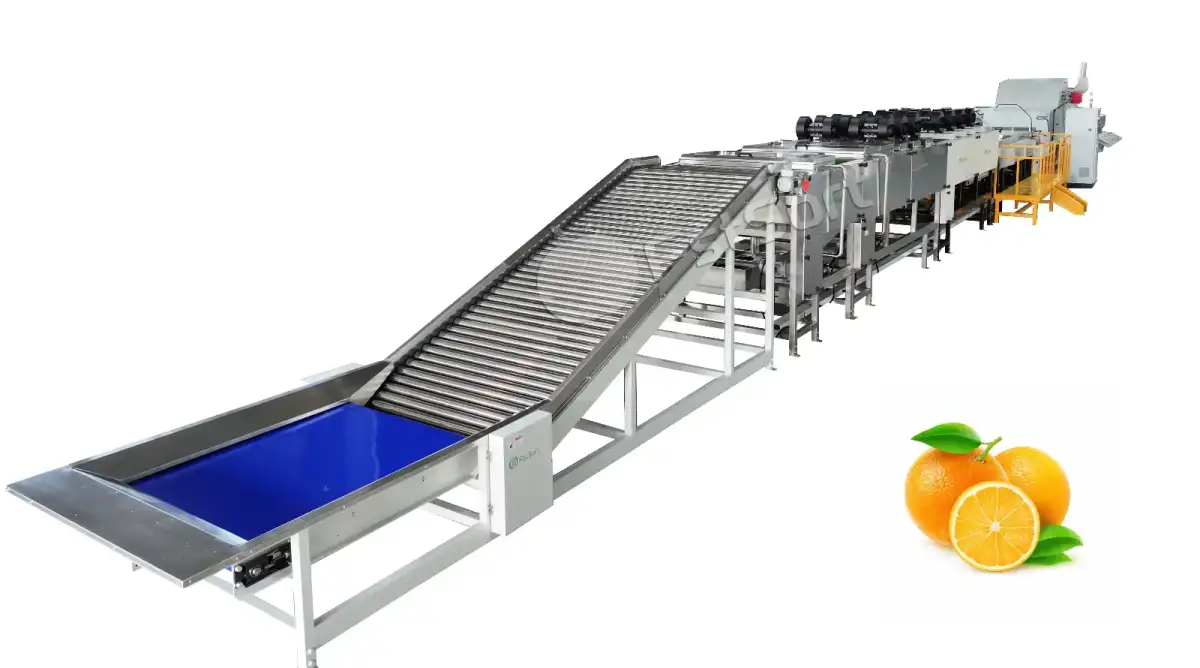
Blood oranges come in all sizes. Some are large and round. Some are smaller and slightly flattened. A grader that can't handle this variation will produce inconsistent packs—and inconsistent packs don't leave the dock for export.
The Fstsort roller grader sorts blood oranges by diameter with precision and consistency. Fruit travels along forward-moving rollers with gaps that gradually widen. Smaller fruit drops through first. Medium fruit drops through next. The largest continues to the end. Each size exits through its own outlet—ready for its specific export channel.
What it delivers for blood orange exporters:
What It Does | What You Get for Export |
|---|---|
Sorts by diameter | Uniform size grades—meet supermarket and export specifications |
4 adjustable grades | Match different market requirements from a single harvest |
6–10 tons per hour | Handle commercial export volumes with ease |
Food-grade rollers | No bruising, no skin damage—fruit stays export-ready |
Adjustable gaps | Fine-tune grade sizes as buyer specifications change |
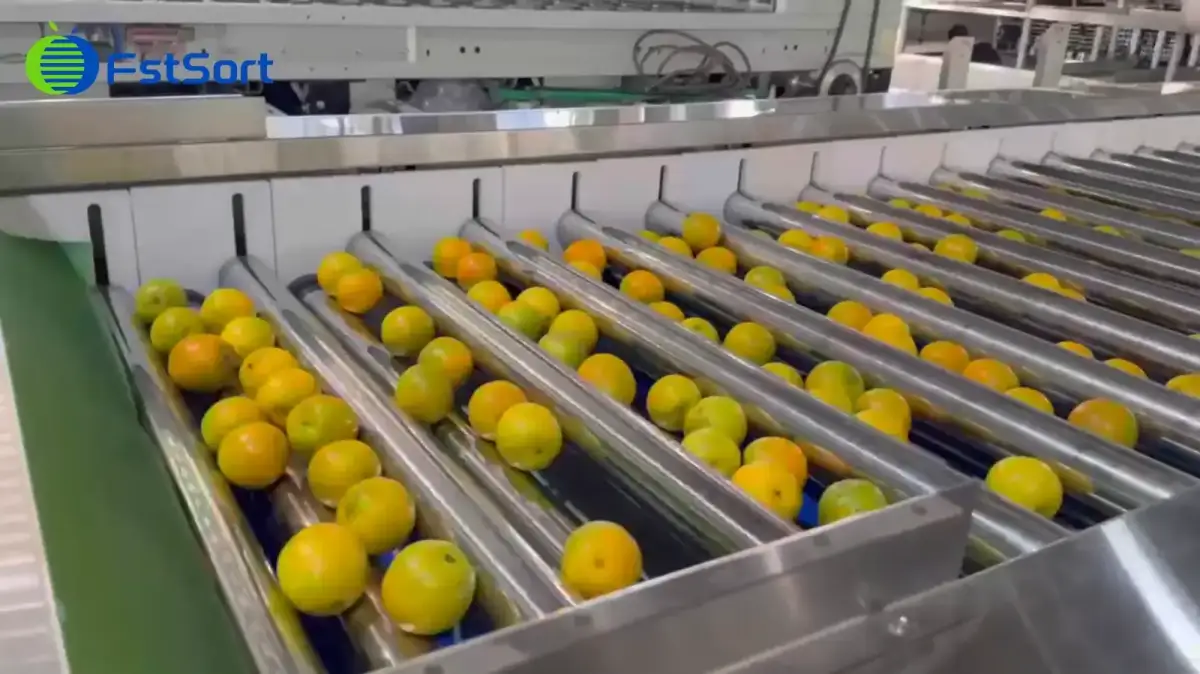
The result: blood oranges that are consistently sized, gently handled, and ready for the buyers who pay premium prices for quality fruit.
Why Gentle Handling Matters for Blood Oranges
Blood oranges have relatively thin skin. A single bruise or scratch can make them unmarketable for export. Traditional sorting methods—especially those that rely on dropping or tumbling fruit—can cause hidden damage that isn't visible until the fruit reaches the destination.
The Fstsort roller grader handles blood oranges gently at every stage: smooth roller surfaces, low-drop transitions, and food-grade materials throughout. The fruit that leaves the line is in the same condition it entered—clean, intact, and export-ready.
Explore the full specifications on our orange grading machine page →