
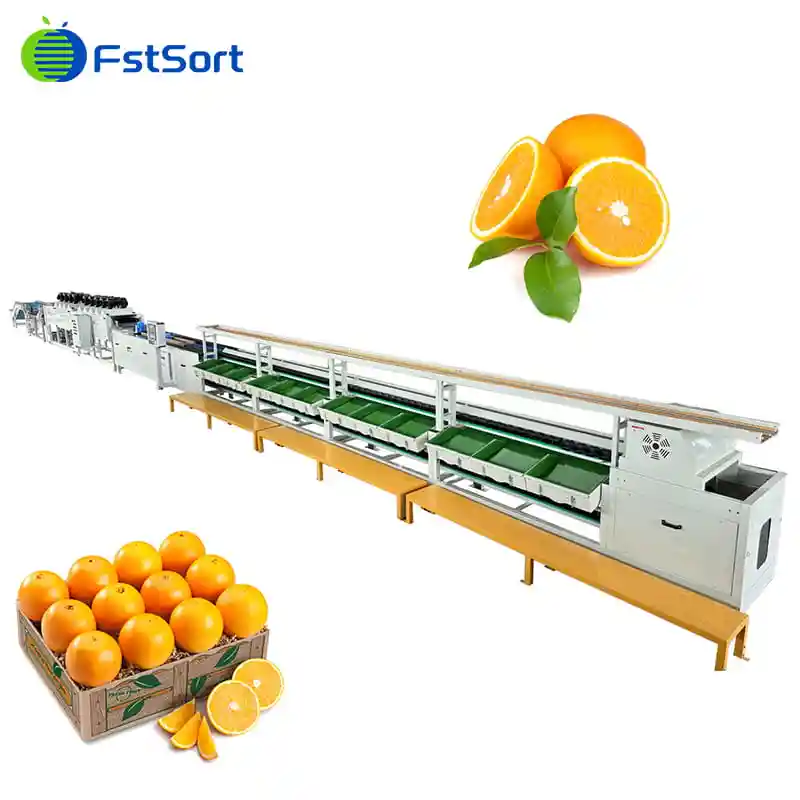
A freshly picked orange is at its peak—but that peak doesn't last. Without the right post-harvest handling, it loses moisture, dulls in appearance, and rots before it reaches the buyer. Here's how a complete washing-drying-waxing-grading line locks in the quality that consumers pay for.
The Hidden Cost of Doing Nothing
Oranges don't spoil the moment they're picked. But the clock starts ticking the moment they leave the tree.
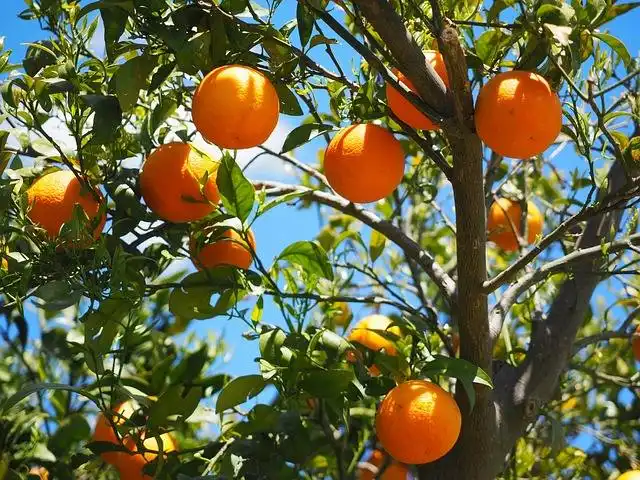
Moisture evaporates. Surface dirt becomes a breeding ground for bacteria. The fruit that looked perfect in the orchard starts to look ordinary on the shelf. And the price drops accordingly.
For citrus growers, the choice isn't whether to process oranges—it's whether to do it right, or to accept the losses that come with doing nothing.
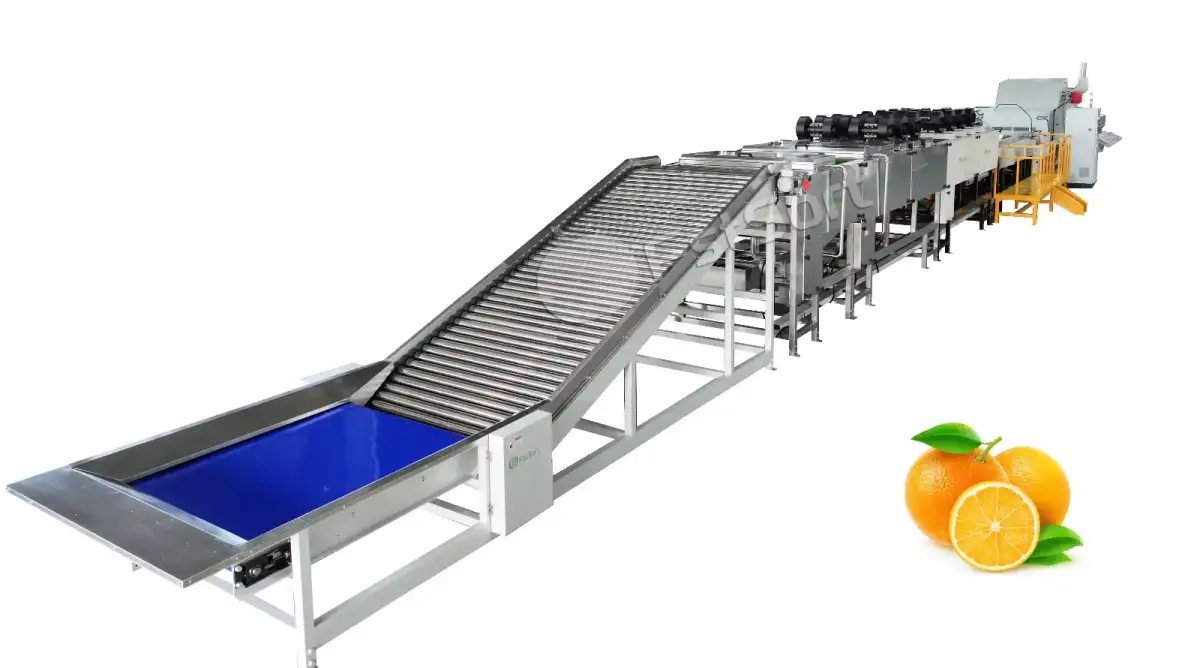
A complete orange processing line handles four essential stages, each protecting a different aspect of the fruit's value:
Stage | What It Does | Why It Matters |
|---|---|---|
Washing | Removes mud, debris, and field residue | Dirt carries pathogens that cause rot during storage—clean fruit lasts longer |
Drying | Eliminates surface moisture before waxing | Moisture traps bacteria under the wax layer—proper drying prevents decay |
Waxing | Applies a thin, food-grade protective coating | Slows moisture loss, extends shelf life, and gives oranges that glossy supermarket look |
Grading | Sorts by size for consistent packs | Buyers pay premium prices for uniform fruit—mixed sizes mean discounted loads |
Each stage builds on the one before it. Wash without drying, and you trap moisture. Wax without grading, and you've wasted the wax on fruit that won't sell at a premium. The whole is greater than the sum of its parts.
Washing: More Than Just Cleaning
Oranges come from the field carrying more than just dirt. They carry spores, bacteria, and residues that can shorten shelf life and trigger decay during storage.
A proper washing system does more than rinse—it removes the risks before they become problems.
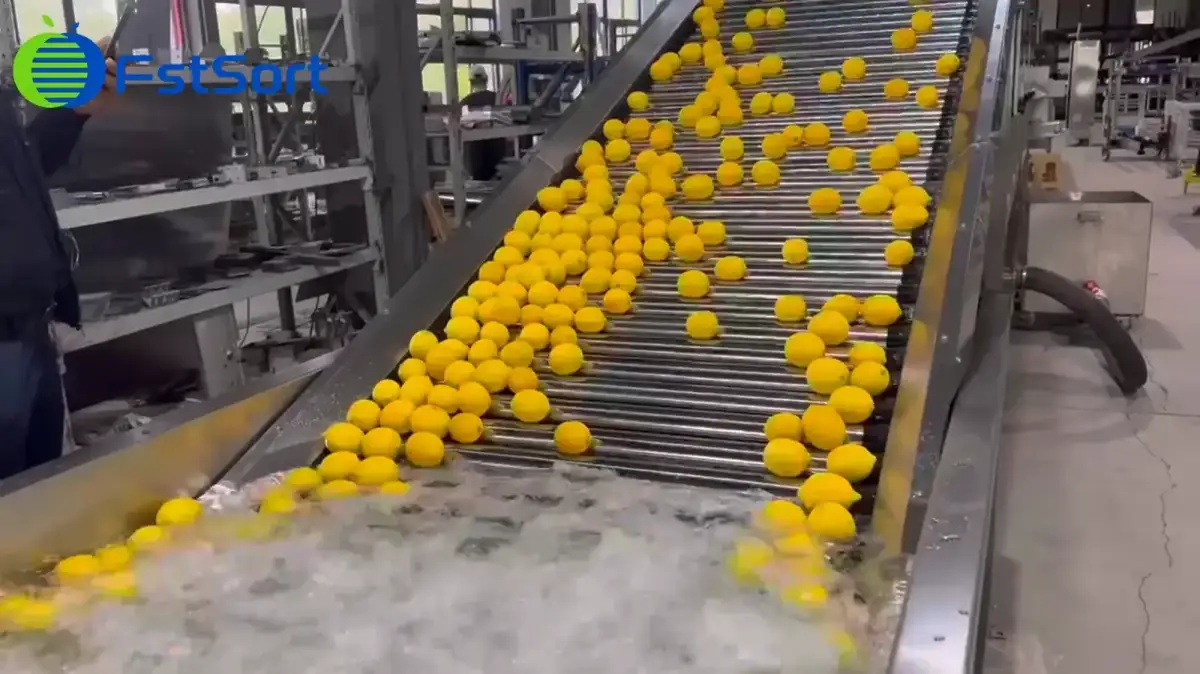
Fstsort's washing section offers flexible configurations to match your fruit condition and facility layout:
· Bubble washing tank — Gentle water action removes mud and debris from freshly harvested fruit without bruising
· Hopper with roller elevator — Dry feeding option for vertical material handling
Clean fruit that's ready for the next stage—without the pathogens that cause post-harvest loss.
Drying: The Step Most Packers Overlook
Many packers underestimate the importance of drying. But moisture is the enemy of shelf life.
After washing, oranges are coated with water. If that moisture isn't removed before waxing, it gets trapped under the wax layer—creating a perfect environment for bacteria and mold to grow.
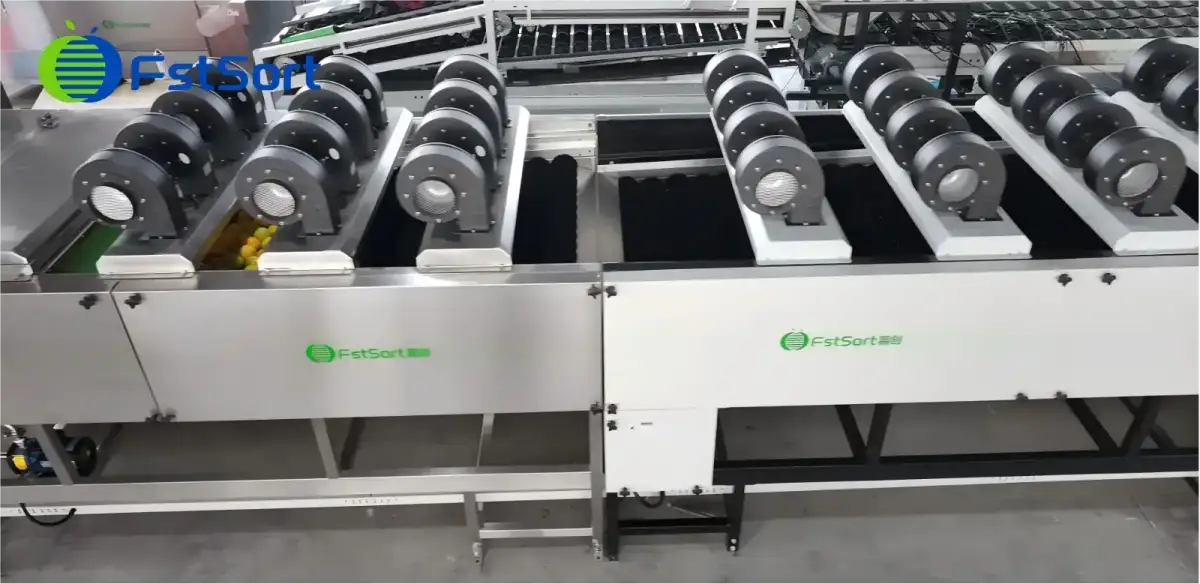
The drying stage uses air blowers to remove surface moisture efficiently and uniformly. The result: dry fruit that's ready for waxing—and for a longer journey to the consumer.
Waxing: The Secret to That Supermarket Shine
Ever wonder why supermarket oranges look so glossy and perfect? The answer is wax.
Waxing isn't just about appearance. It serves three critical functions:
· Slows moisture loss — Oranges naturally lose water after harvest. Wax reduces evaporation, keeping fruit plump and juicy longer
· Extends shelf life — Less moisture loss means longer storage and transport time
· Enhances appearance — That glossy finish signals freshness to consumers—and commands a higher price
Fstsort's waxing module applies a liquid wax coating followed by hot-air drying (powered by an oil burner) to set the wax evenly.
Oranges that look as good as they taste—and last twice as long in storage.
Grading: Where Size Meets Price
The final stage is where the value is realized. For oranges, grading is done by diameter—the standard method used across the citrus industry.
A roller grader uses a series of forward-moving rollers with gradually widening gaps. Oranges travel along the rollers—smaller ones fall through the narrower gaps first, medium ones through the next, and the largest continue to the end. Each size exits through a separate outlet.
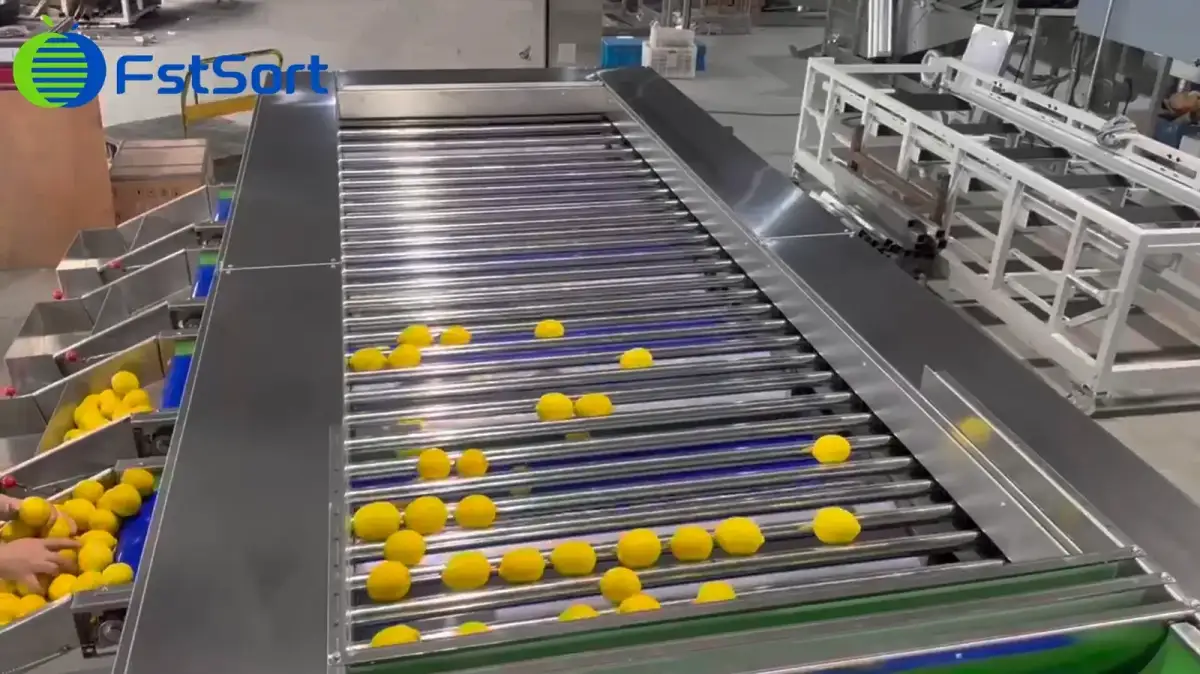
Why grading matters:
Without grading, mixed sizes mean buyers price the entire load to the lowest grade. With grading, each size finds its own market—and every orange earns what it's worth.
A 5-grade system (standard for the Fstsort line) separates oranges into five distinct size categories, allowing you to serve multiple markets from a single harvest:
Grade | Typical Use |
|---|---|
Large | Premium export, high-end retail |
Medium-Large | Supermarket shelves, standard packs |
Medium | Retail, food service |
Medium-Small | Juice processing, value packs |
Small | Processing, by-products |
Every orange finds its right buyer—and every buyer gets the product they expect.
Built for Orange Packers
Fstsort's orange processing line is designed for commercial reality. It handles 8–10 tons per hour with 5 adjustable grades, making it suitable for packers supplying retail, export, and processing markets.
The line can be customized to match your specific fruit varieties, throughput targets, and facility layout.
Explore the full specifications on our orange grading machine page →
Four Stages. One Continuous Flow. Higher Value at Every Step.
Washing removes the risks. Drying eliminates the moisture. Waxing protects the shelf life. Grading captures the price. Together, they transform a field harvest into a market-ready product—with higher value at every stage.