

New Zealand blueberry exports are targeting growth from under $45 million to around $150 million within 3–5 years. But export orders don't buy "one great batch"—they buy "every batch meeting the same standard." This article examines that demand for predictability, and how drum-based grading fixes the standard in the equipment rather than in people's hands.
New Zealand Blueberry Exports Are Rising—But Orders Demand Predictability
New Zealand's blueberry industry is at a pivotal moment. According to the New Zealand Blueberry Association (NZBA), February export volumes rose more than 20% year-on-year, with significant growth in the US and China, supported by new trade agreements and export partnerships.
The longer-term picture is equally positive. Current annual export value is under $45 million, but the industry believes it could reach around $150 million within 3–5 years.
But the more ambitious the growth target, the more one under-appreciated question comes into focus: what export orders really buy is not "one great batch," but "every batch meeting the same standard."
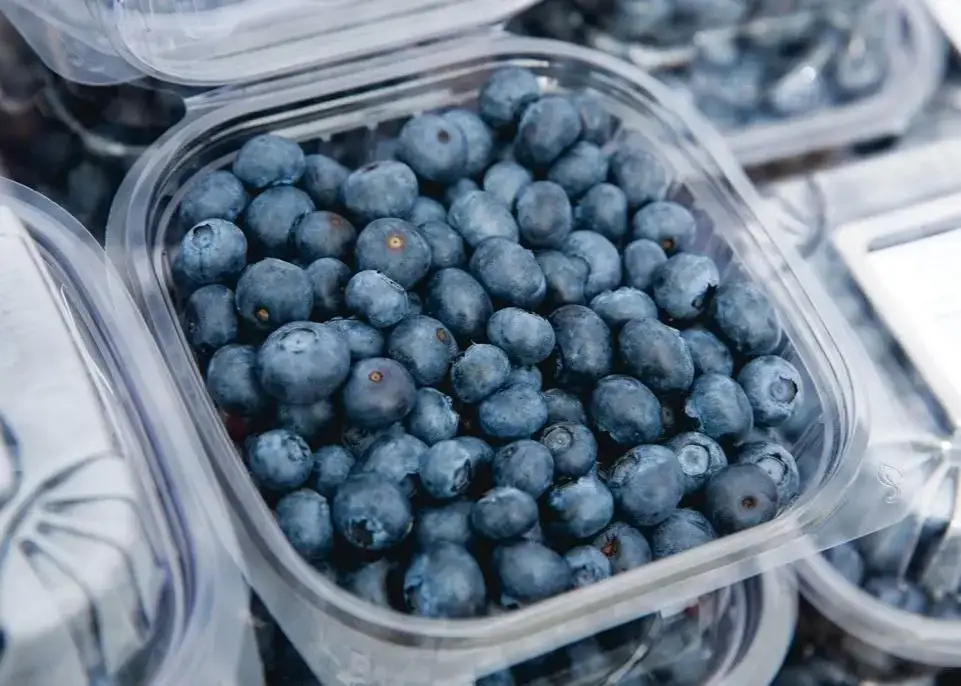
The Real Sorting Challenge: Is the Standard in People's Hands, or in the Equipment?
Blueberry export specifications are not complicated—grade by diameter, remove substandard fruit, ensure batch consistency. The hard part is not "knowing what the standard is," but executing the same standard every time, in every batch, across every shift.
That is exactly where manual sorting struggles. Workers judge by eye and experience; the same batch can be graded differently by different workers, and the same worker may perform differently in the morning and the afternoon. When volumes are small and order requirements are loose, this variation can be absorbed. But when export volumes are set to triple within 3–5 years and orders come from markets with strict specification consistency requirements, "standards executed by people" becomes a growth risk in itself.
Peak-season throughput pressure is equally real. Blueberry harvest windows are concentrated—the shorter the time from field to pre-cooling, sorting, and packing, the smaller the quality loss. The speed ceiling of manual sorting directly determines how much fruit a line can "take in" during peak season. Once sorting becomes the bottleneck, fruit loses quality while waiting, and growth targets get stuck at the sorting stage.
Fixing the Standard in the Equipment: What Drum-Based Grading Solves Is "Consistency"
Some New Zealand growers have begun adopting automated sorting systems. These systems are adopted not because they are "more advanced," but because they do something manual sorting cannot: transfer the grading standard from "human judgment" to "physical dimensions in the equipment."
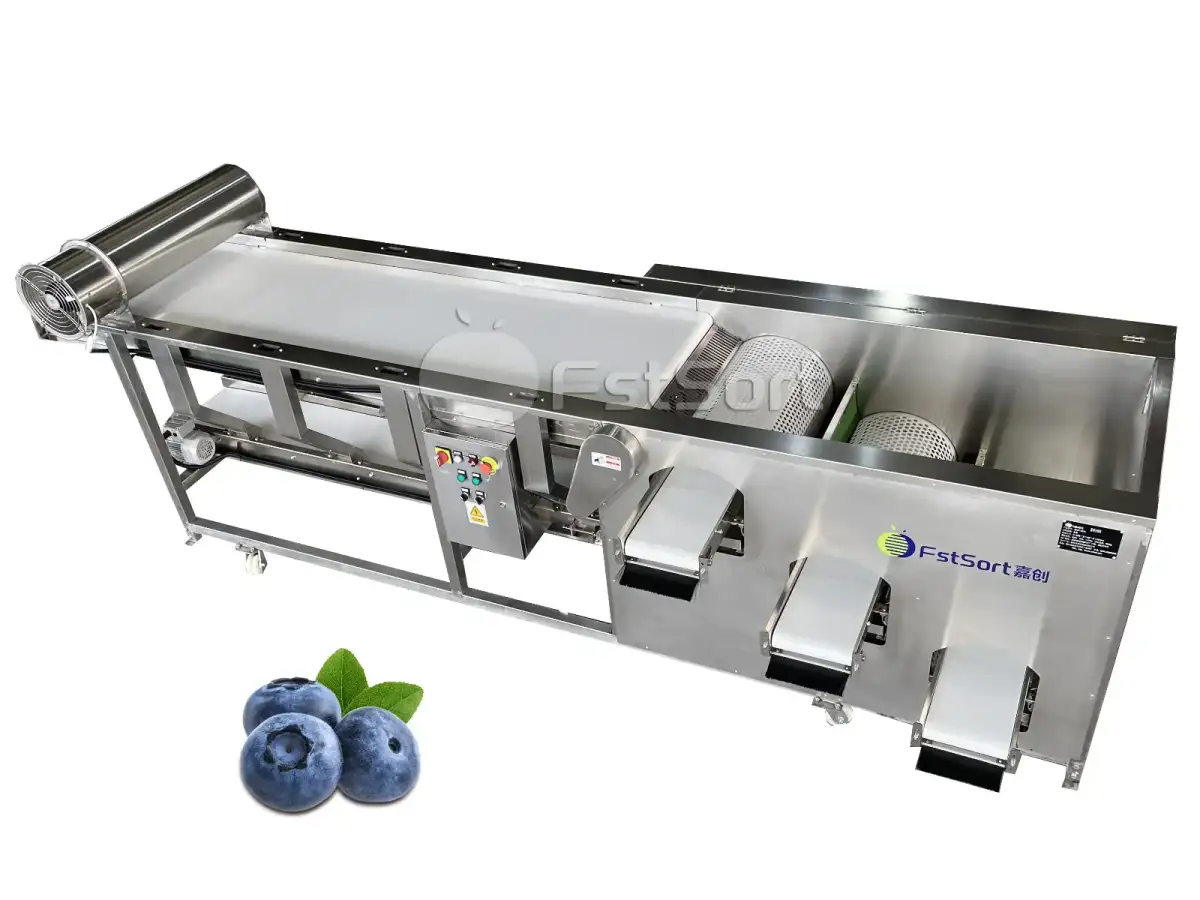
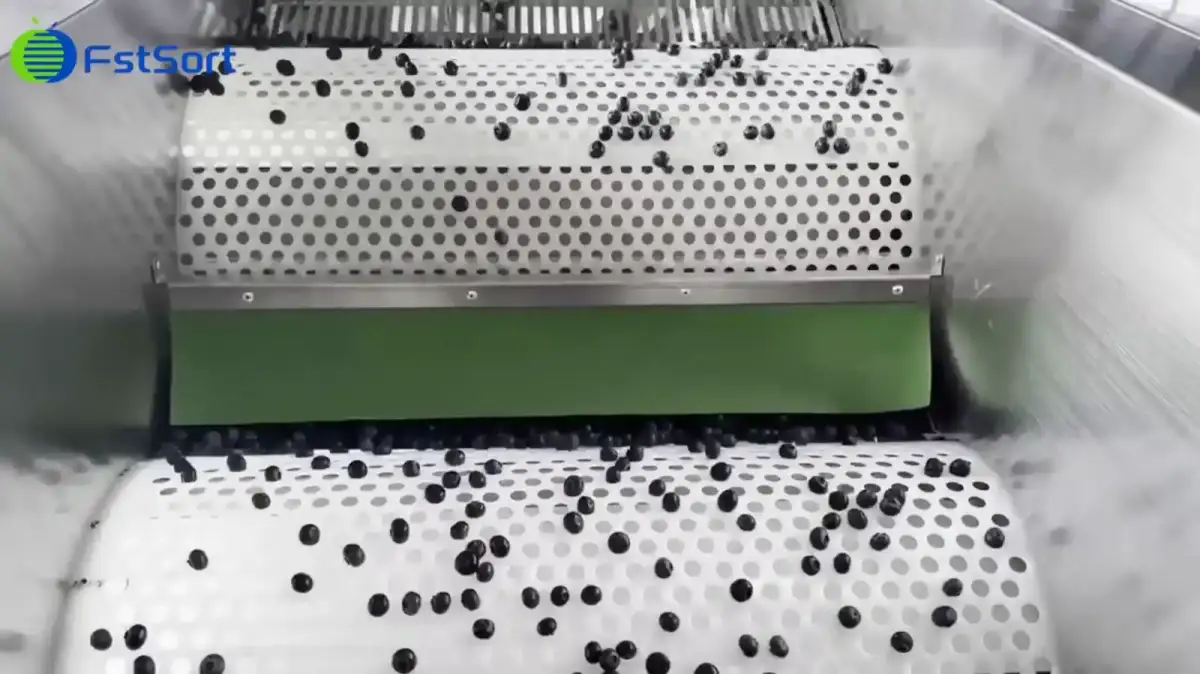
In drum-based grading, blueberries enter a rotating drum and fall through openings in ascending order of diameter—smallest first, largest later. The grading standard is set by the aperture—fixed, and unable to drift with shift changes, weather, or fatigue during continuous operation. The same batch graded today and tomorrow yields the same result; graded this month and next month, still the same result.
Soft brushes inside the drum prevent berries from getting stuck, and soft materials catch the fruit at the drop points. Grading relies on the berries' own weight and gentle rolling, not squeezing or throwing. The goal is not "sorting fast," but "sorting accurately—and accurately every time."
For a New Zealand industry moving from "under $45 million" toward "$150 million," this ability to fix the standard in the equipment means export growth no longer depends on "finding enough skilled workers"—it depends on a standardized sorting line that can be replicated, scaled, and delivered consistently.
From Sorter to Replicable Export Quality Chain
Sorting is just one step in blueberry post-harvest handling. From infeed, air classification, and manual inspection to drum grading and integration with packing, every step affects the consistency of quality that reaches overseas shelves. Drum-based grading equipment can integrate with existing inspection tables, air classifiers, and packing lines to form a continuous quality-control flow from harvest to export, reducing manual handling and secondary contact before and after sorting.
In the next phase of New Zealand blueberry exports, the keyword is not "volume"—it is "whether every batch can be delivered to the same standard." When the industry targets tripling export value within 3–5 years, the standardization and peak-season throughput of the sorting stage directly determine whether that target can be executed consistently.
Want your blueberry sorting to fix the standard in the equipment and lift throughput beyond the manual ceiling? Learn more about Fstsort's drum-based blueberry grading solutions→