
Optical sorting is impressive technology. It can spot defects, detect internal quality issues, and sort by color with incredible accuracy. But for most onion growers—especially small and medium-sized operations—it's simply not the right fit. Here's why a drum grader might be the smarter choice.
What Optical Sorting Actually Does
Optical graders use cameras and advanced image processing to inspect every onion that passes through. They can detect surface defects (scars, sunburn, rot), internal quality issues, and even color variations that human eyes might miss.
It's sophisticated. It's precise. And for large-scale packers with deep pockets, it delivers real value.
But for the vast majority of onion growers—who don't process millions of onions per season and don't have a team of technicians on staff—optical sorting is overkill. The technology is expensive. The maintenance is complex. And the learning curve is steep.
The Real Question: What Do You Actually Need?
Before you get seduced by the idea of "AI-powered sorting", take a step back and ask yourself a simple question: what do I actually need my grader to do?
For most onion growers, the answer is straightforward: sort onions by size, accurately and efficiently.
That's it. Not color. Not internal defects. Not AI-powered everything. Just size.
And for that job, you don't need a million-dollar optical system. You need a drum grader.
Why a Drum Grader Makes More Sense
A drum grader does exactly what most onion growers need—and nothing they don't.
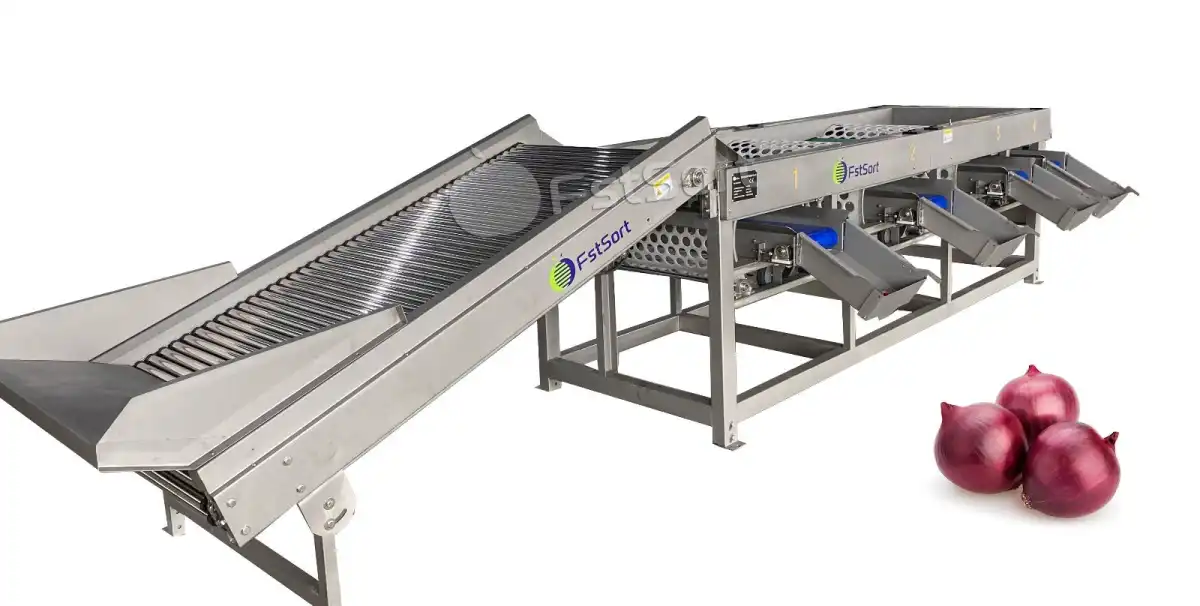
How it works: Onions are fed into a rotating drum with rows of holes in specific sizes. Small onions fall through the small holes first. Medium onions fall through the next set. Large onions continue to the end. Each size collects in its own outlet.
What makes it practical:
Feature | What It Means for You |
|---|---|
6–8 tons per hour | Enough capacity for small to medium operations—no bottlenecks during harvest |
4–5 adjustable grades | Sort onions into 4 or 5 size grades—sell each grade to the right market |
Customizable drum holes | You measure your onions, we build the drum to match your specific size requirements |
Simple structure | Easy to operate, easy to maintain—no technicians required |
Favorable price | Affordable for small and medium growers—no million-dollar investment needed |
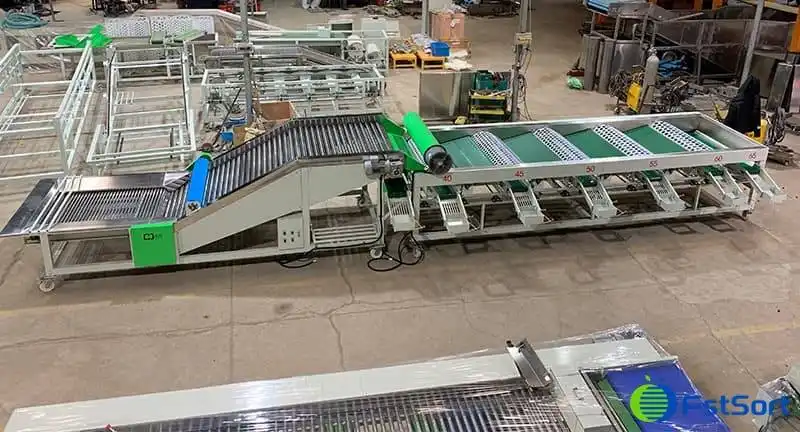
The drum grader does one thing well: sort onions by size, reliably and affordably.
Flat Onions vs. Round Onions: One More Thing
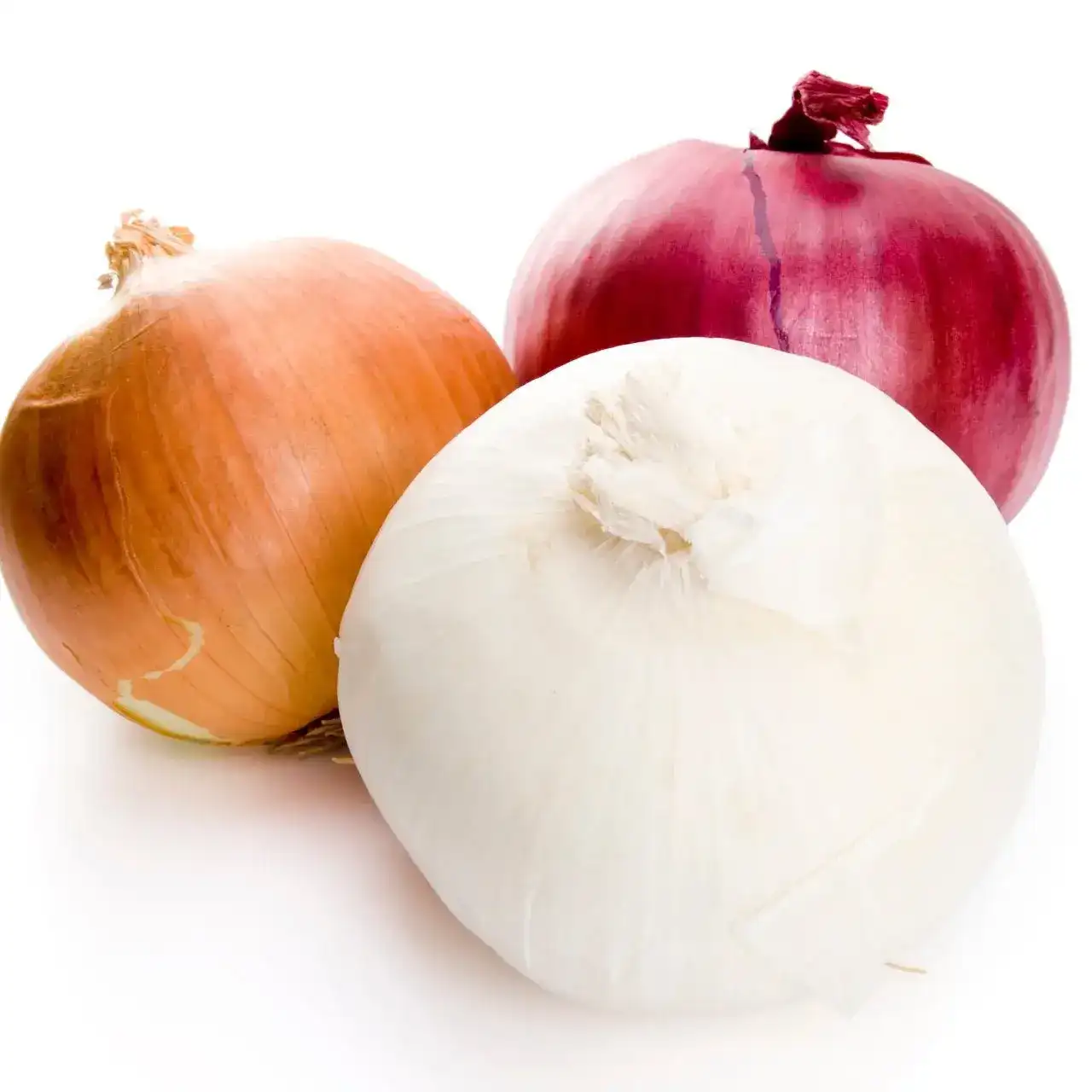
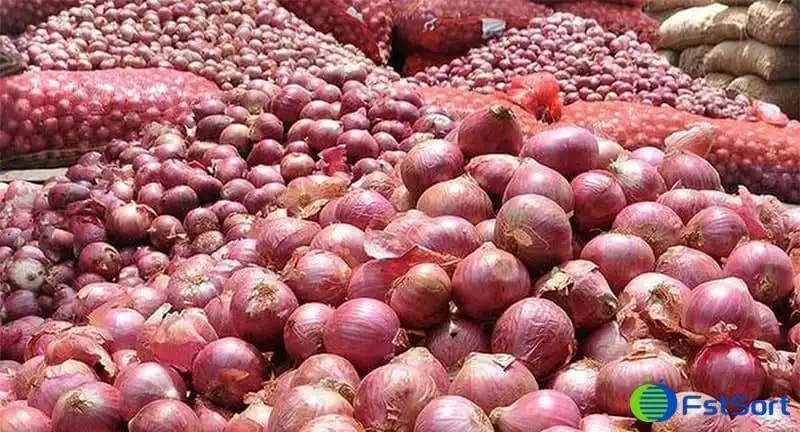
Not all onions are the same shape. Purple onions are flat. Yellow and white onions are round or oval.
For flat purple onions, the drum grader is actually the recommended choice—it handles their irregular shape without the jamming issues that other graders might have.
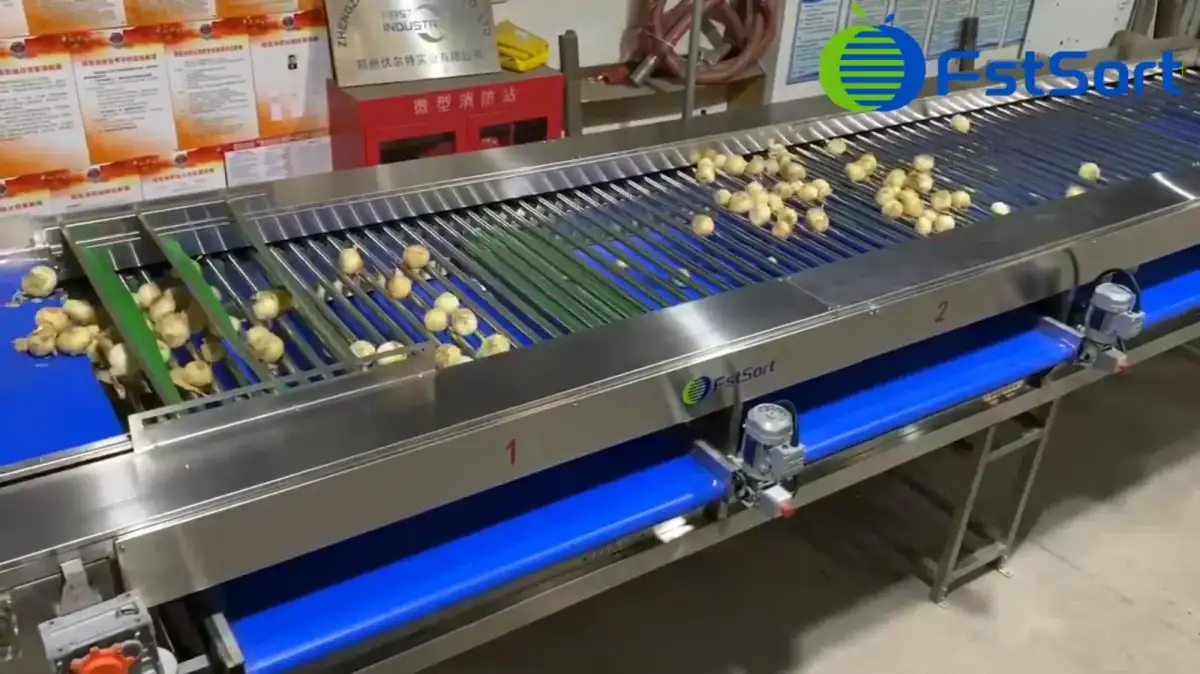
For round yellow and white onions, a roller grader or screen sizer might also work. But for flat onions, the drum grader is the clear winner.
Who Is This For?
· If you're a small or medium onion grower processing a few tons per day, a drum grader is the practical choice.
· If you're sorting flat purple onions, the drum grader is the recommended choice.
· If you don't have a team of technicians to maintain complex equipment, the drum grader is the low-maintenance choice.
· If you're on a budget, the drum grader is the affordable choice.
Optical sorting has its place—for large-scale operations with the volume and budget to justify it. For everyone else, a drum grader gets the job done.
Want to know more about onion drum grader, please visit our onion sorting grading machine page→
Optical grading technology is real. It works. But "it works" doesn't mean "it's right for you".
For most onion growers, the smartest investment isn't the fanciest one. It's the one that does exactly what you need—without the complexity, without the cost, and without the learning curve.
That's what a drum grader delivers.