
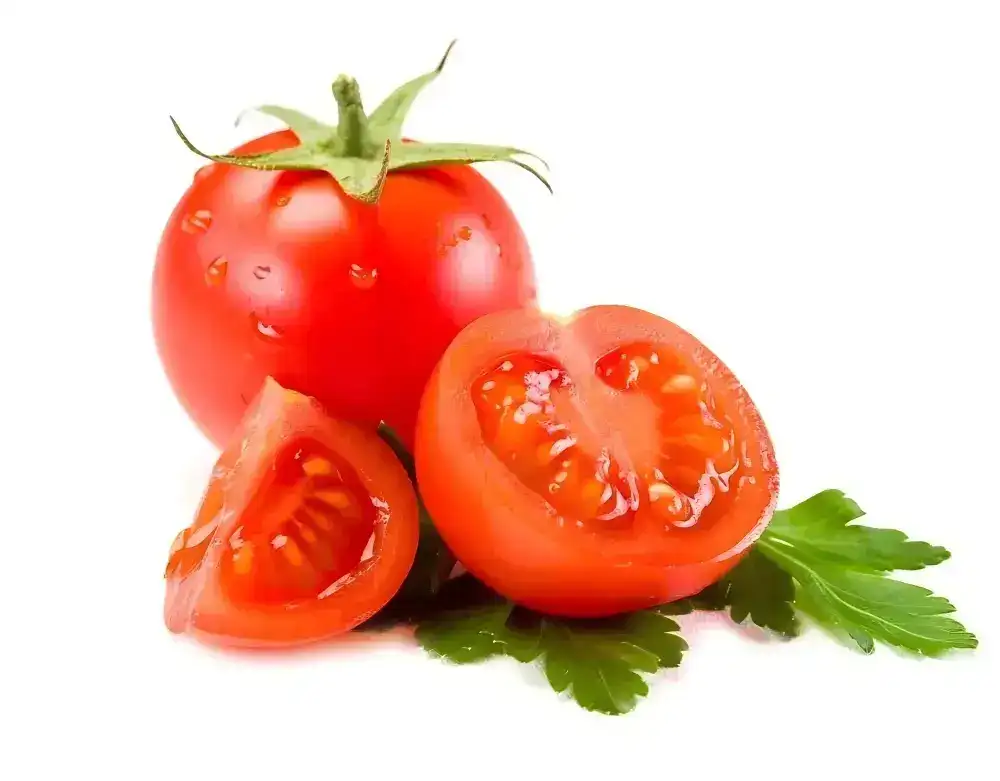
Tomatoes come in all shapes—cherry, grape, Roma, and round. Sorting them by diameter works for some, but not all. Weight grading captures what buyers actually pay for. Optical sorting adds color and defect detection for premium markets. Here's how to match the right technology to your tomatoes.
The Tomato Sorting Challenge
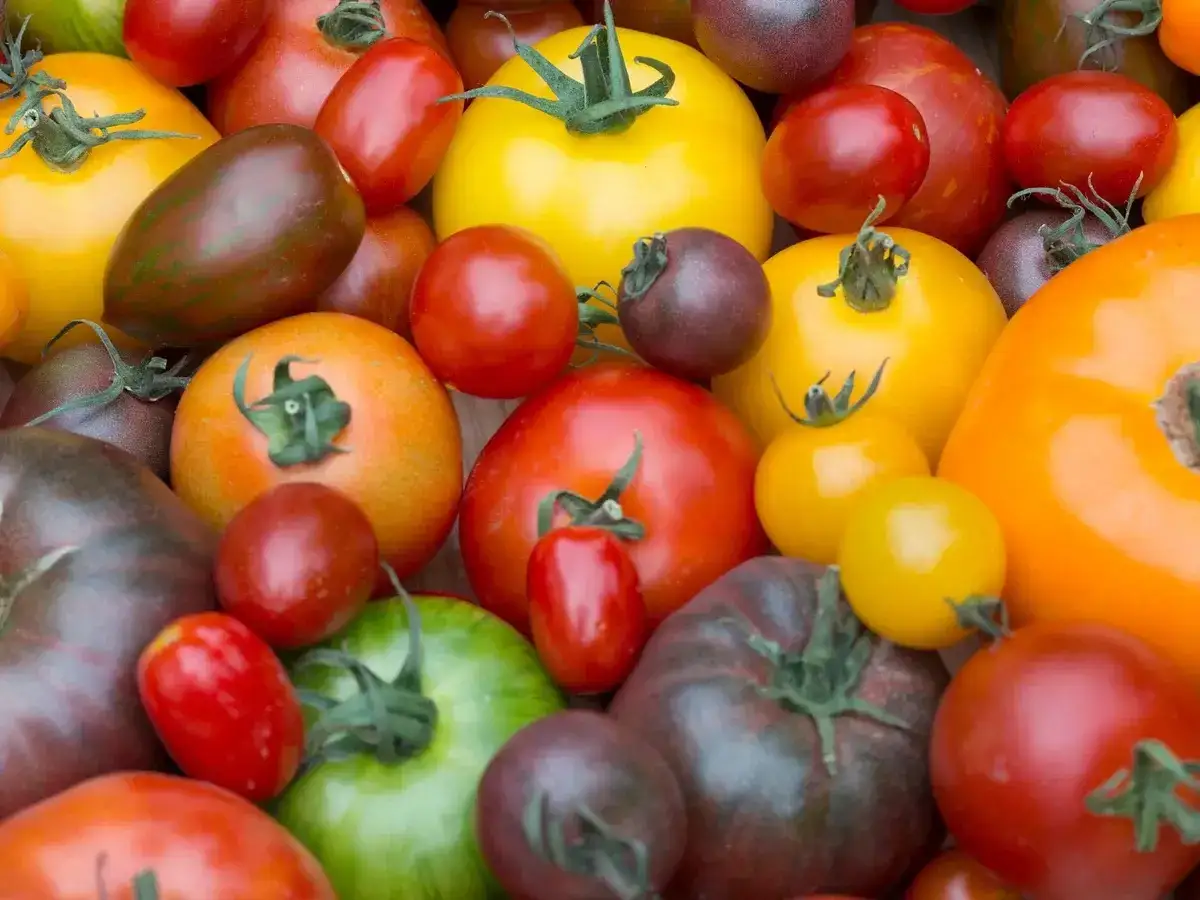
Tomatoes are one of the most widely consumed vegetables in the world. But they're also among the most varied in shape—small and round, oval, plum-shaped, large and slightly flattened. Different tomato types require different sorting approaches. A machine that works perfectly for round tomatoes may struggle with cherry tomatoes. A grader that handles Roma tomatoes with precision may mis-grade flattened rounds.
For packers, the question isn't whether to sort—it's which sorter fits your tomatoes and your market.
Drum Grader – Diameter Sorting for Round Tomatoes
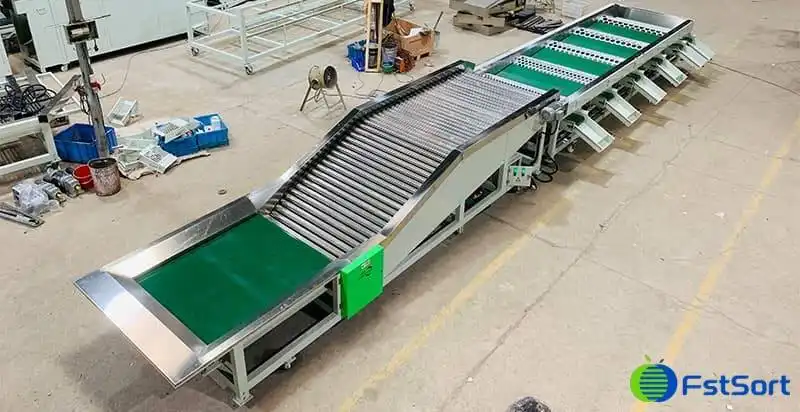
The drum grader is the most straightforward tomato sorter. It works by diameter: tomatoes enter a rotating drum with rows of round holes in different sizes. Smaller tomatoes fall through the smaller holes first, while larger ones roll to the next section with larger holes. Each size exits through a separate outlet.
What makes it work for tomatoes:
Feature | How It Handles Tomatoes |
|---|---|
Round holes, not gaps | Round holes match the natural shape of round tomatoes—measuring diameter from every angle as the fruit tumbles |
Gentle tumbling | No crushing, no jamming—tomatoes stay intact from infeed to outlet |
3–6 adjustable grades | Sort into multiple grades to match different market requirements |
15–120mm range | Covers everything from cherry tomatoes to large beefsteaks |
5–10 t/h capacity | Keeps pace with commercial harvest volumes |
Best suited for: Round tomatoes, basic size sorting, budget-conscious operations.
Electronic Weight Sorter – Precision Grading for Export
For packers who need weight-based grading rather than diameter, the electronic weight sorter delivers a different advantage.
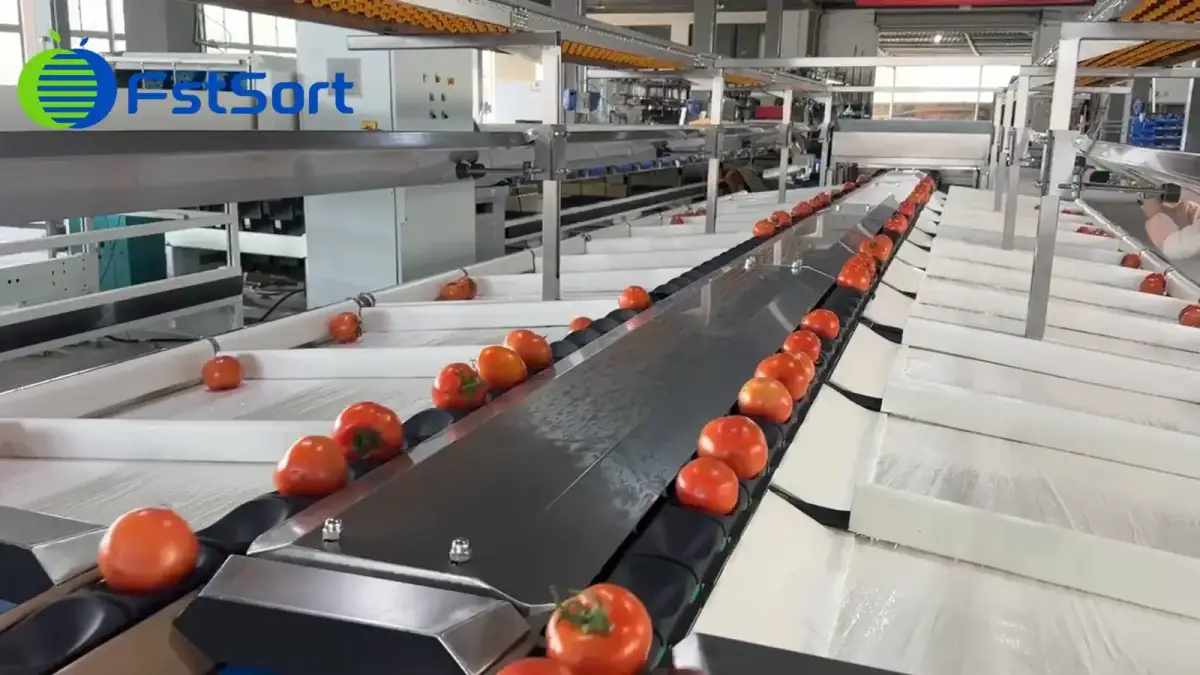
Unlike diameter sorting, weight grading is not affected by shape. A Roma tomato that's long and narrow, a round tomato that's slightly flattened—each is weighed individually, so shape doesn't matter. Only weight does.
What it delivers:
Feature | How It Handles Tomatoes |
|---|---|
±2g accuracy | Consistent grading—every tomato goes to the right grade, no guesswork |
25,000 pcs/h per lane | 1, 2, 4, or 6 lanes available—scale to match your volume |
6–12 weight grades | Fine grading for export specifications |
50–500g range | Covers all tomato varieties |
Touch screen control | Save profiles for different varieties—switch in seconds |
Best suited for: Uniform weight packaging, export-grade specifications, automated line compatibility.
Optical Sorter – Color and Defect Detection for Premium Markets
For the most demanding export markets, the optical sorter adds an extra layer of quality control. It uses high-speed cameras to inspect every tomato, detecting what human eyes might miss.
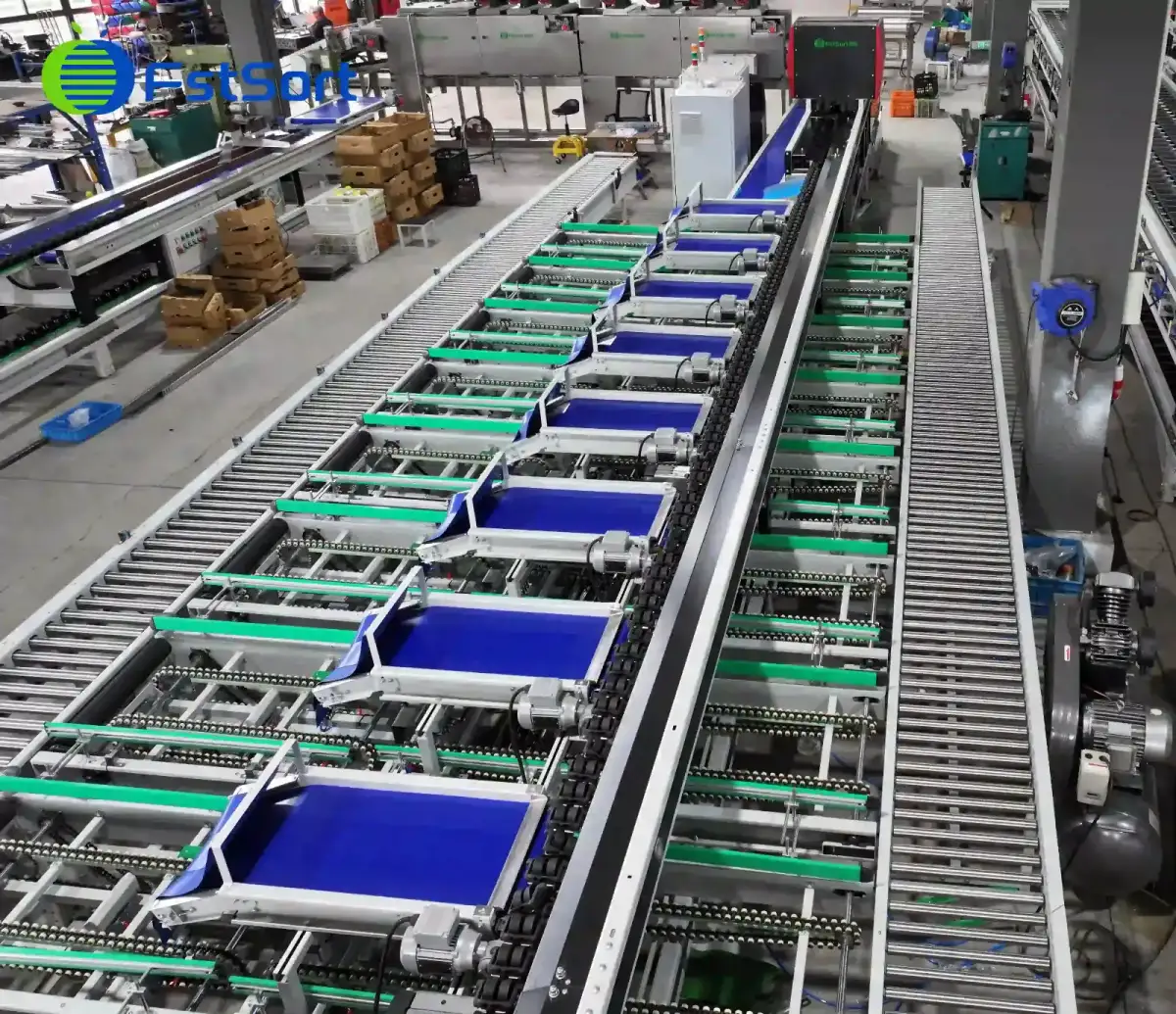
What it detects:
Detection | What It Catches |
|---|---|
Color | Green, pink, red, orange—sort by ripeness and color grade |
Surface blemishes | Bruises, scars, discoloration |
Defects | Cracks, rot, sunscald, bacterial spot |
Shape | Unusual or misshapen fruit |
Zero physical contact | Cameras only—no damage to delicate skin |
Best suited for: Premium export markets, defect removal, high‑quality packing lines.
Quick Summary
· Drum Grader — The budget-friendly choice for round tomatoes and basic size sorting.
· Weight Sorter — The precision choice for export orders and uniform weight packing.
· Optical Sorter — The premium choice for defect removal and high‑quality packing lines.
Learn more on our tomato processing machines page →
Sort Smarter, Not Harder
Tomatoes come in all shapes. The right grader makes sure every tomato reaches the right market—at the right price. Choose the one that fits your tomatoes, your market, and your budget.