
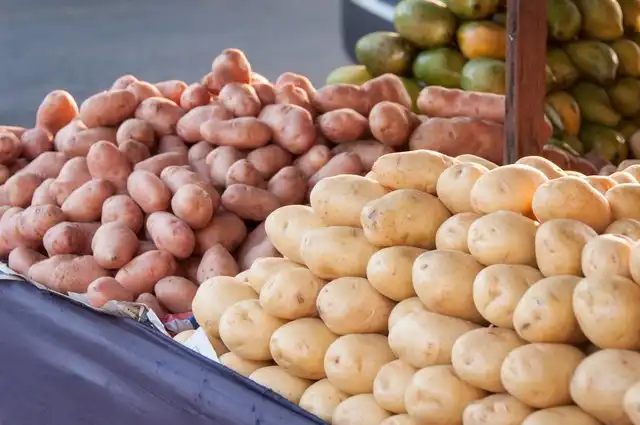
Every harvest season, potato growers face the same dilemma: sorting potatoes by size is the key to higher prices — but doing it manually wastes time, delays sales, and eats into profits. Here's how a simple roller grader solves both problems.
Why Size Matters: From Field to Market
Not all potatoes are created equal. A single field can produce potatoes ranging from small creamers to large bakers — and each size commands a different price in the market.
· Small potatoes (under 50 mm) — Ideal for canning, pickling, and snack production
· Medium potatoes (50–70 mm) — The sweet spot for retail supermarkets and fresh consumption
· Large potatoes (70–90 mm) — Preferred for baking, food service, and export markets
· Extra large (over 90 mm) — Premium pricing for specialty buyers and high-end restaurants
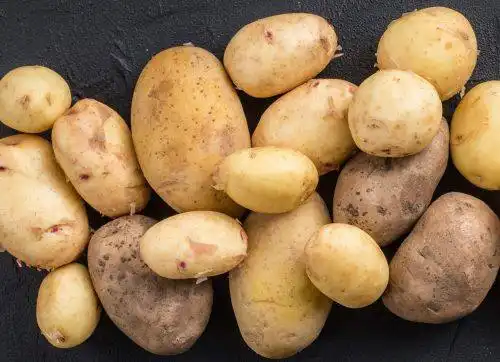
When potatoes are sold in mixed sizes, buyers discount the entire lot to the lowest grade. When they are sorted accurately, each size goes to the right market channel — and every potato earns its maximum value.
The math is simple: grading pays for itself.
The Problem with Manual Sorting
For generations, potato growers have sorted their harvest by hand. Workers stand at tables, picking through piles of potatoes, separating them by size.
But manual sorting has three costly problems:
Problem | The Cost |
|---|---|
Slow | Sorting tons of potatoes by hand takes days — delays mean missed market windows |
Inconsistent | Different workers make different calls — mixed sizes slip through |
Expensive | Labor costs are rising, and seasonal workers are increasingly hard to find |
The result: lower prices, higher costs, and profits that disappear before the potatoes ever leave the farm.
The Solution: A Simple, Reliable Roller Grader
This is where a potato roller grader changes the game.
The machine uses a series of forward-moving rollers with gradually widening gaps. Potatoes travel along the rollers — smaller ones fall through the narrower gaps first, medium ones through the next, and the largest continue to the end. Each size exits through a separate outlet.
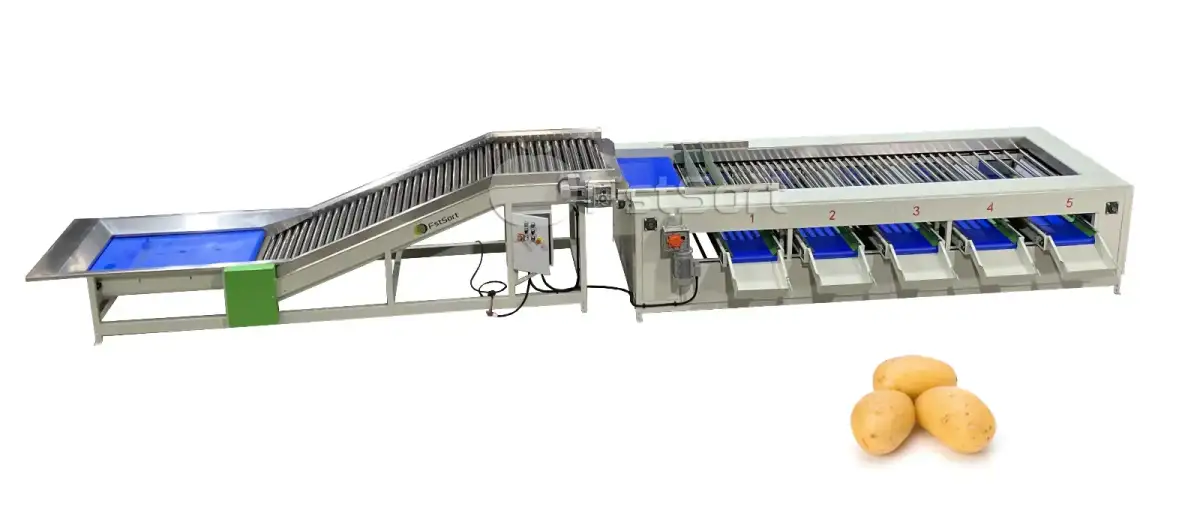
What this means for your operation:
· Accurate sizing — Every potato goes to the right grade, every time
· Gentle handling — Smooth rollers protect potatoes from bruising and damage
· High throughput — 5–8 tons per hour — far more than any manual team
· Adjustable grades — 4, 5, or 6 sizes, customizable to your market requirements
· Wide size range — Adjustable from 25 mm to 120 mm, covering everything from small creamers to large bakers
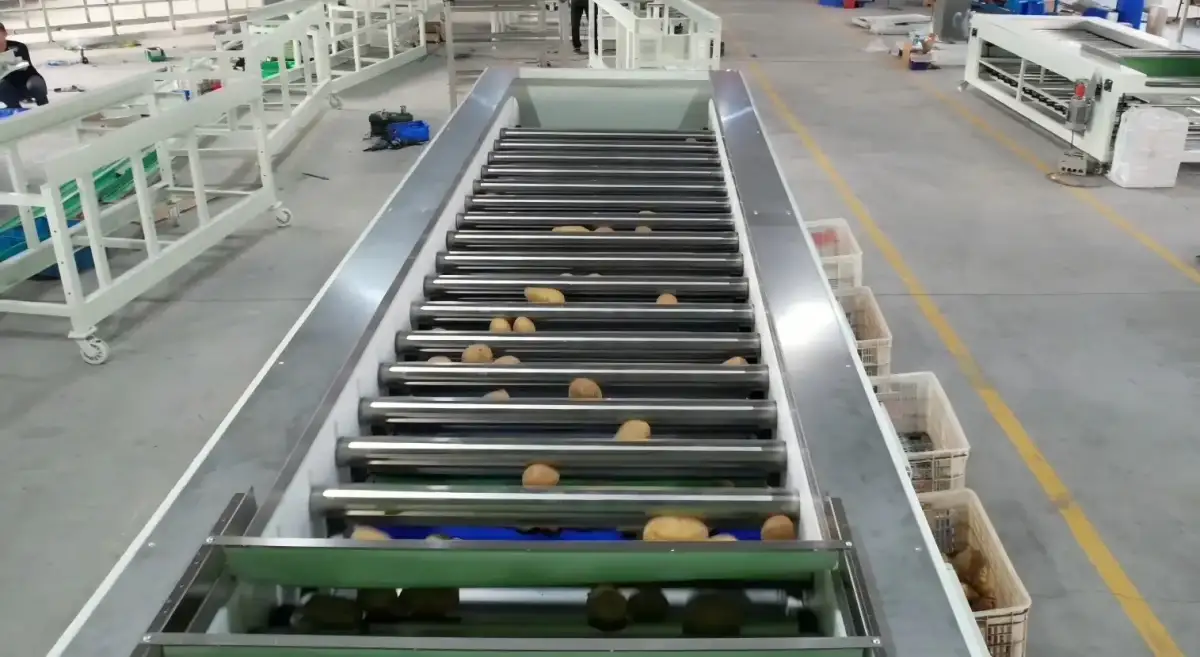
The result: potatoes that are sorted accurately, gently, and fast — ready for the right market at the right price.
Built for Commercial Growers
The Fstsort potato roller grader is designed for growers who need reliable sizing without the complexity of a full processing line.
Key features at a glance:
Feature | What It Means for You |
|---|---|
5–8 t/h capacity | Handles commercial harvest volumes with ease |
4–6 adjustable grades | Match your sizes to your market — change as demand shifts |
25–120 mm range | One machine handles all potato sizes — from small to extra large |
Stainless steel fruit contact | Hygienic, durable, easy to clean |
Simple operation | No complex training required — workers get up to speed fast |
The grader can also be customized with additional features — brush cleaning, manual inspection tables, or automatic filling and weighing systems — to build a complete line as your operation grows.
Fstsort has already supplied potato grading solutions to customers in Pakistan, India, and other major potato-producing regions — helping growers turn their harvest into higher returns.
Explore the full specifications on our potato cleaning and grading machine page →
Your potatoes come in all sizes. The right buyer pays the right price for each one. A grader makes sure every potato finds its match.
The difference between a good season and a great one starts here. Not next harvest. Now.