
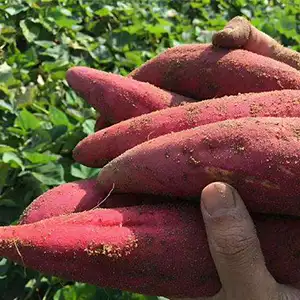
Harvest is only half the story. For sweet potatoes, what happens in the hours and days after digging determines whether they reach the market in perfect condition — or rot in storage. Here‘s why sorting and curing are two sides of the same coin.
Two Steps, One Goal: Protecting Your Harvest
Not long ago, a customer from Costa Rica reached out to us with a question: “How do I clean and grade sweet potatoes — and how do I cure them afterward?”
It‘s a great question — and one that many growers ask. The answer reveals something essential about sweet potato post-harvest handling: sorting and curing are not separate decisions. They work together.
Here’s the logic:
· Sorting removes damaged, diseased, or misshapen sweet potatoes before they go into storage
· Curing heals the minor wounds that inevitably occur during harvest and handling
· Together, they prevent rot from spreading and extend storage life dramatically
Skip sorting, and you‘re putting bad potatoes in with good ones. Skip curing, and even good potatoes won’t last. You need both.
Step 1: Sorting — The First Line of Defense
Sweet potatoes come out of the ground in all shapes and sizes. Some are long and straight. Some are short and round. Some have cuts from harvesting tools. Some have cracks from dry soil. Some are already showing signs of rot.
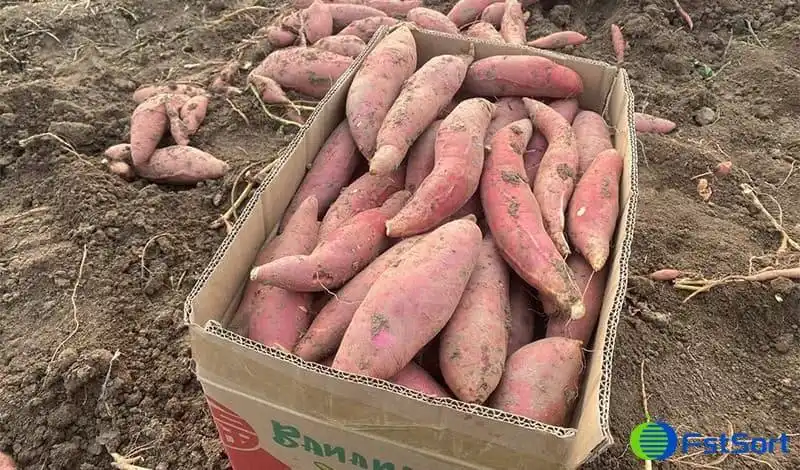
If you‘re growing sweet potatoes for your own table, you can sort them by hand. Different sizes cook differently — small ones roast faster, large ones are better for baking. Hand sorting works for a small patch.
But if you’re running a commercial operation — harvesting tons of sweet potatoes per season — hand sorting is a bottleneck. It‘s slow. It’s inconsistent. And it‘s expensive.
A mechanical sweet potato grader does what dozens of workers cannot: it sorts by size quickly, accurately, and consistently. The specific size ranges can be set on the machine, adapting to different market requirements — from retail packs to food service specifications.
Why sorting matters for curing:
This is the part many growers overlook. When you harvest sweet potatoes, you inevitably create wounds — scratches from digging, bruises from handling, cuts from trimming. Every wound is an entry point for pathogens.
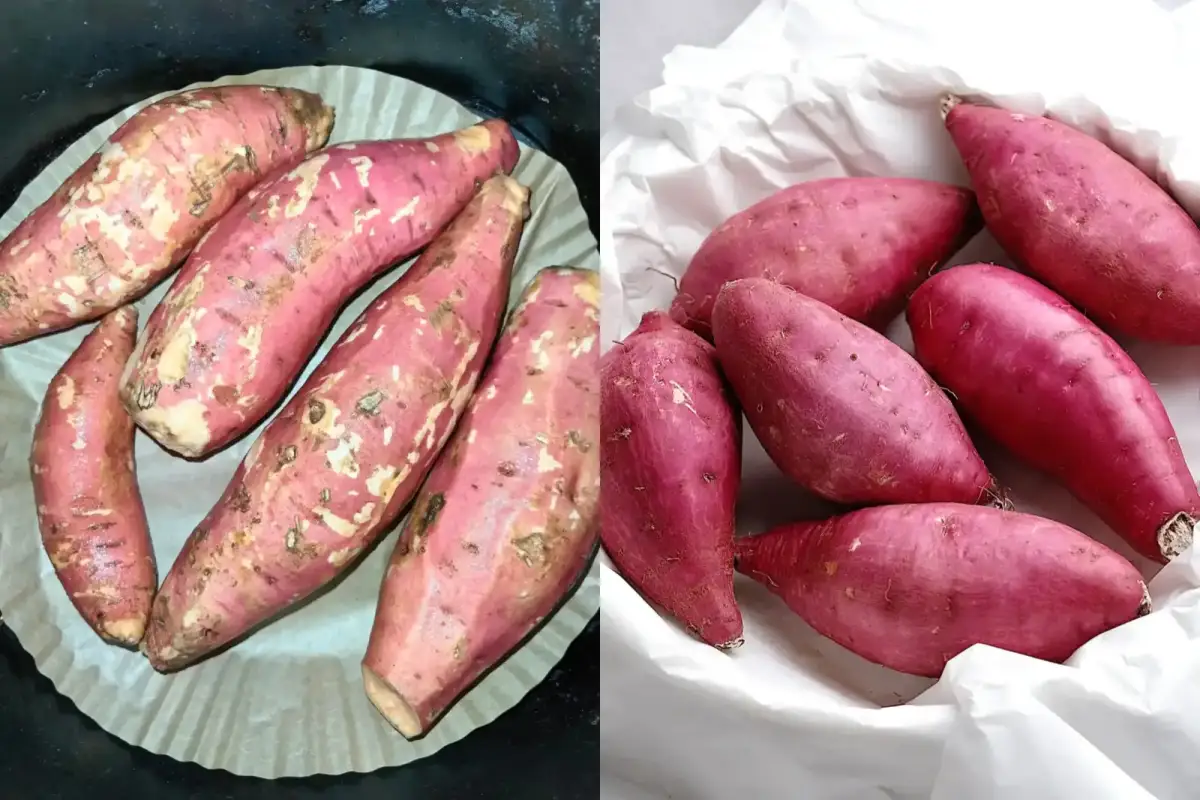
But here’s the key: not all wounds are created equal.
A minor scrape can heal during curing. A deep cut or a crack that exposes the flesh — that‘s a different story. Sorting removes the sweet potatoes with severe damage before they go into storage, so they don’t rot and spread disease to the rest of the crop.
Sorting isn‘t just about size. It’s about protecting the entire storage batch.
Step 2: Curing — Healing the Wounds
Once sorting is complete, the next step is curing.
What does curing do? When sweet potatoes are harvested and graded, they inevitably sustain minor wounds — scratches, bruises, and abrasions.These wounds act as passageways for pathogens to enter and cause disease.
Curing creates the conditions for these wounds to heal.
The curing environment:
· Temperature: 85–90°F (about 29–32°C)
· Relative humidity: 85–90%
· Duration: 7–10 days
· Ventilation: Do not stack potatoes too high — air circulation is essential
High temperature and high humidity provide the ideal conditions for wound healing.The sweet potatoes essentially “heal themselves,” forming a protective layer over minor damage. This allows them to store longer and maintain better flavor.
What if you don‘t have a curing room?
For smaller operations or home growers, you can use a greenhouse or hoop house, where temperatures are higher than outside. However, curing will take longer — about 20–25 days instead of 7–10.
But for commercial operations, a dedicated curing room with controlled temperature and humidity is the standard — and the most reliable way to ensure consistent results season after season.
The Connection: Why Sorting Comes First
Here‘s the critical insight that many growers miss:
Curing heals minor wounds — but it cannot fix major damage.
A sweet potato with a deep cut, a large crack, or active rot will not heal during curing. It will rot — and that rot will spread to healthy potatoes in storage.
Sorting removes these high-risk potatoes before curing begins. It‘s the first line of defense. Curing is the second.
Together, they create a one-two punch against post-harvest loss:
Step | What It Does | What It Prevents |
|---|---|---|
Sorting | Removes severely damaged, diseased, or misshapen potatoes | Prevents rot from entering the curing/storage environment |
Curing | Heals minor wounds from harvest and handling | Prevents pathogens from entering through small injuries |
One without the other doesn’t work. Sort without curing, and minor wounds become entry points for disease. Cure without sorting, and severely damaged potatoes rot and infect the rest.
A Smarter Way to Sort
This is where Fstsort comes in.
Fstsort‘s sweet potato washing, drying, and sorting line handles the critical first step — preparing sweet potatoes for curing and storage.
The system starts with washing and brushing to remove field dirt, then moves to gentle drying, and finally to sorting. Two sorting options are available to match your market requirements:
· Roller Grader — Sorts by diameter. A reliable, high-capacity solution for basic size grading. Ideal for packers who need consistent sizing for retail or food service.
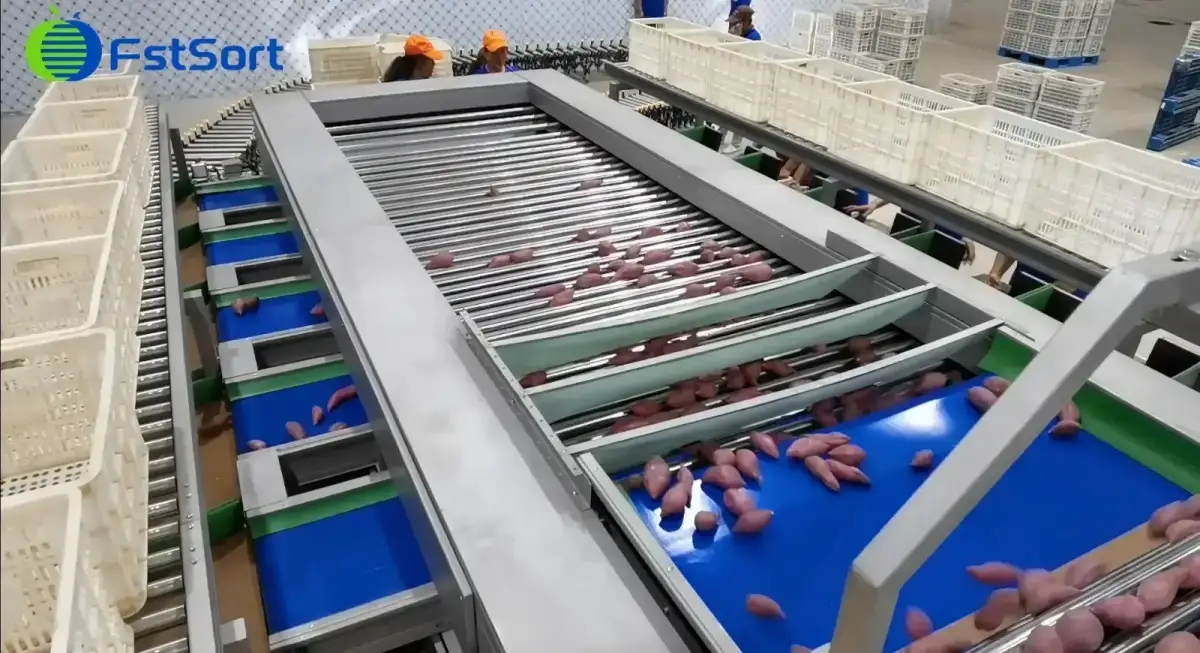
· AI Optical Sorter — Uses deep learning to detect and remove defective sweet potatoes with exceptional accuracy. Detects mechanical damage, rot, cracks, deformities, and foreign objects like stones or clumps of mud.
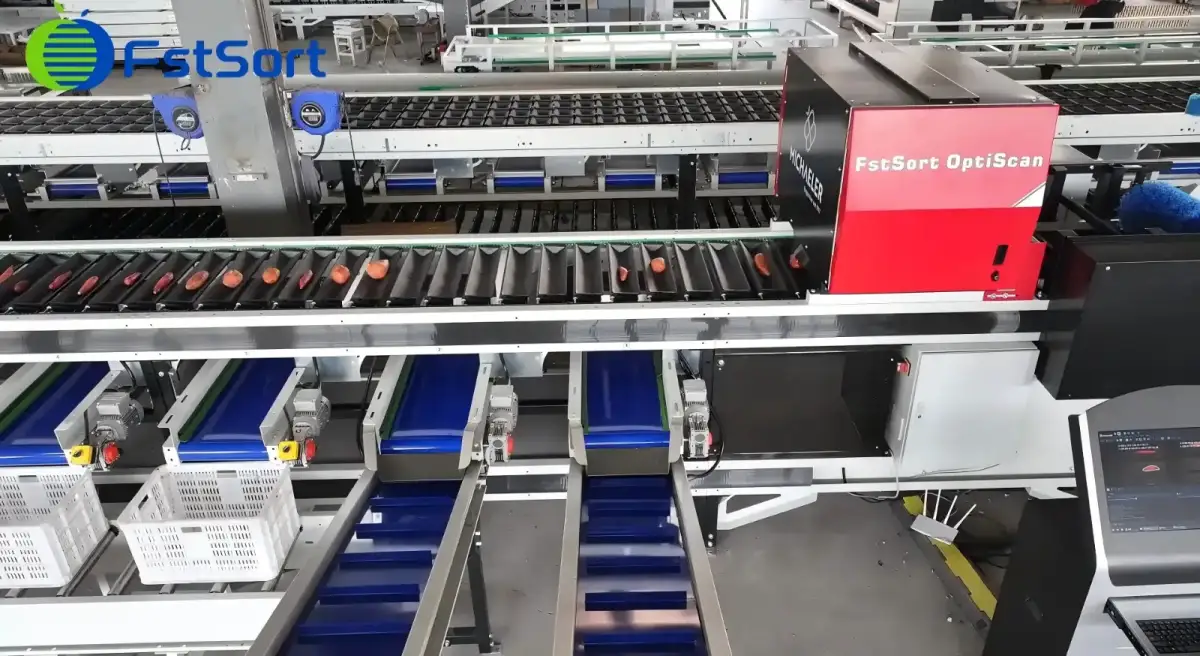
Both options share one thing in common: gentle handling that minimizes new wounds during sorting — because every new scratch is one more thing that curing has to heal.
Fstsort has supplied sweet potato processing solutions to customers across multiple markets, including Costa Rica and other key growing regions.
Ready to see how the right sorting equipment can protect your entire sweet potato crop? Explore the full specifications on our sweet potato washing, drying & sorting line page →
Sort First, Cure Second, Store Longer
Sweet potatoes are a kind of valuable crops — but their value is only realized if they reach the market in good condition. Sorting and curing are not optional extras. They are essential steps that work together to protect your harvest.
Sort removes the risks. Curing heals the rest. Together, they give your sweet potatoes the best possible chance of a long, healthy storage life.
The technology exists. The question is whether your post-harvest process includes both steps.