
From field to market — why proper cleaning and grading of radishes matters more than most growers realize, and how the right equipment makes the difference.
The Radish Market: More Than Just White
When most people think of radishes, they picture the familiar white daikon. But the radish family is surprisingly diverse:
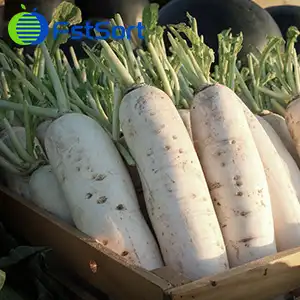
· White radish (daikon) — long, cylindrical, and tapered. The most common variety in Asian markets.

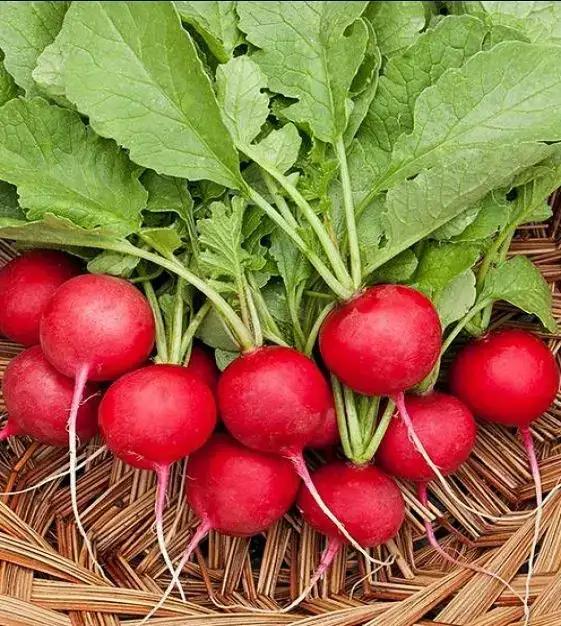
· Red radish — small, round, and vibrant. Popular in salads and garnishes.
· Green radish — shorter and stockier, with a crisp texture prized in Korean cuisine.

Each variety has a distinct shape. And that shape, as we'll see, determines how it should be cleaned and graded.
The takeaway: One size does not fit all when it comes to radish processing equipment.
The Cost of Skipping Proper Post-Harvest Handling
Radishes are among the most perishable root vegetables. Pulled from the soil, they arrive at the packing house carrying dirt, plant debris, and often the beginnings of decay.
Here's what happens when post-harvest handling is neglected:
Problem | The Cost |
|---|---|
Dirt and debris left on roots | Pathogens spread during storage, rotting radishes from the inside out |
Rough handling during cleaning | Bruised and cracked radishes lose shelf life and market value |
No size grading | Mixed sizes mean rejected shipments — buyers demand uniformity |
Manual sorting | Slow, inconsistent, and increasingly expensive |
For commercial growers, these aren't minor issues. They translate directly into lost product, rejected orders, and lower margins.
The good news? All of these problems are preventable with the right approach to post-harvest processing.
The Basic Process: Clean → Sort → Grade → Pack
A proper radish processing line follows a straightforward sequence:
1. Cleaning — Radishes pulled from the soil are typically covered in dirt. In addition, there are other parts of the plant — stems, leaves, and root hairs — that need to be removed. Cleaning isn't just about appearance; it's about removing pathogens that can infect the radish during storage.
2. Pre-sorting — Deformed radishes and those attacked by pests or diseases are removed. This step prevents the spread of disease from damaged tubers to healthy ones.
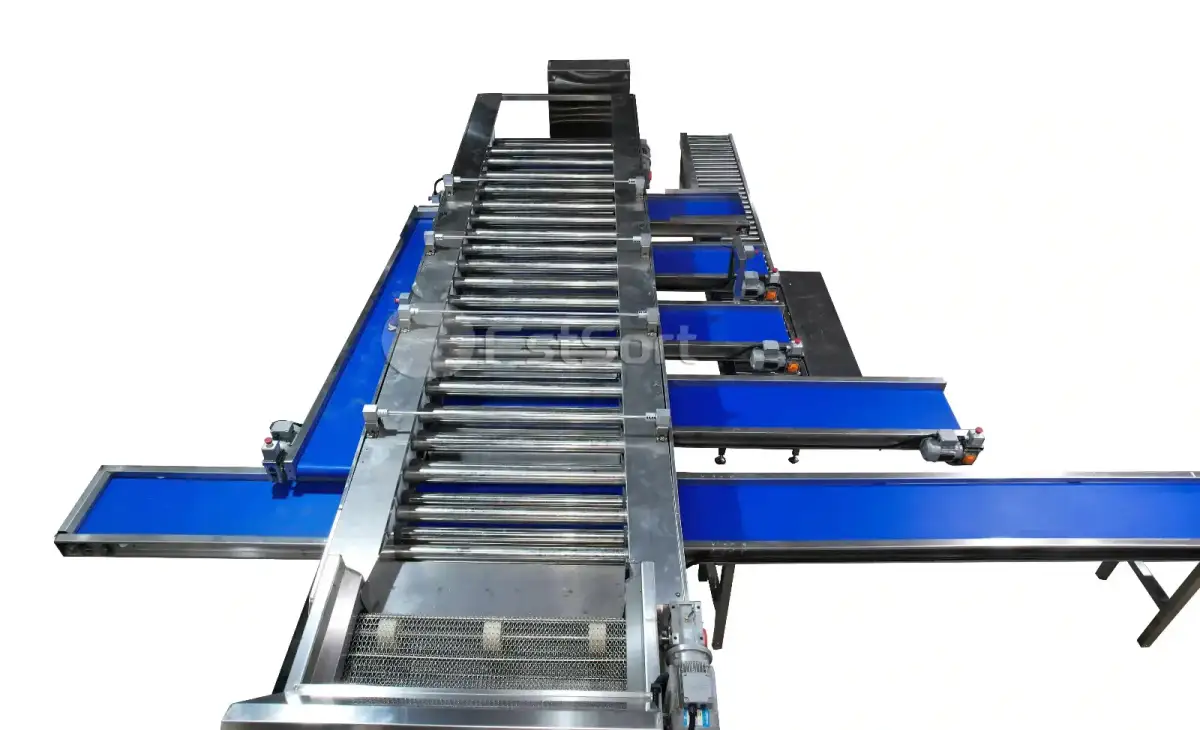
3. Grading — Radishes are grouped according to size. The result is typically four to five grades, each destined for a different market channel.
4. Packing — Proper packaging protects radishes from mechanical damage during transportation. The packing case must be ventilated to allow air circulation, keeping temperature and humidity from rising too high.
Each step builds on the previous one. Skip cleaning, and grading becomes inaccurate. Skip grading, and you lose the ability to price your crop by market segment.
From Manual to Automated: What Changes
Manual processing of radishes is slow, labor-intensive, and inconsistent. Here's what automation delivers at each step:
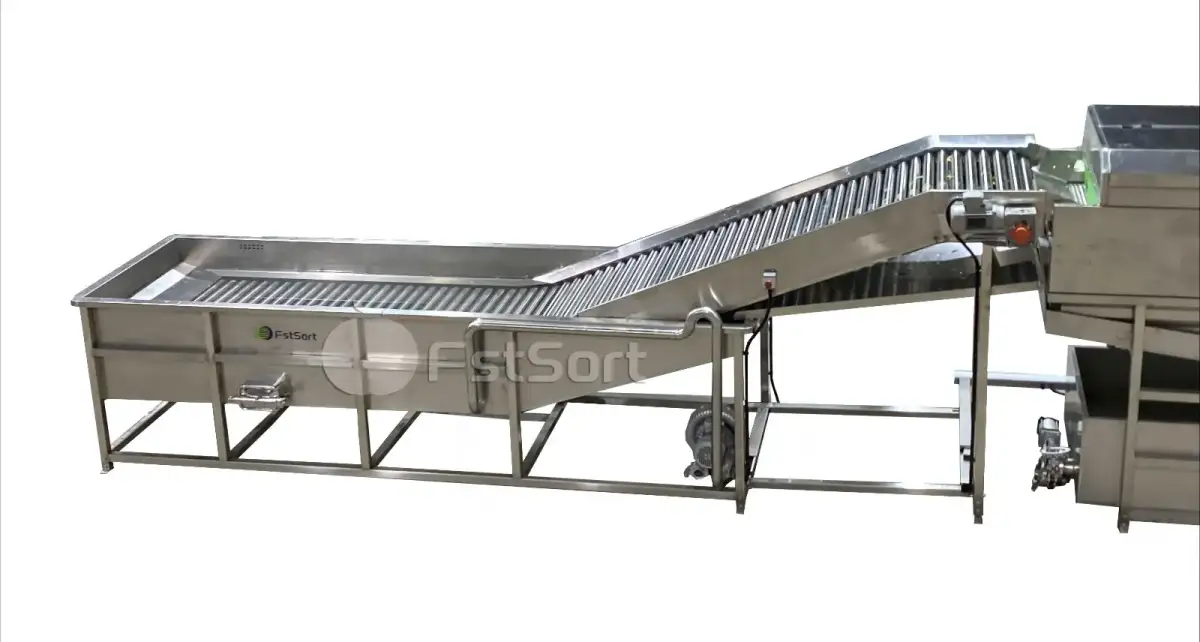
· Cleaning — Automated bubble washers use turbulent water to gently remove dirt and debris from every surface of the radish, reaching crevices that manual brushing misses. The result: cleaner radishes, longer shelf life, and consistent quality.
· Grading — Automated roller graders sort radishes by diameter with precision that manual sorting cannot match. Each radish is measured individually as it passes between rollers, ensuring accurate sizing every time.
· Efficiency — One automated line can process what would require a team of manual sorters, reducing labor costs and eliminating the variability that comes with human fatigue.
For growers processing tons of radishes daily, the math is simple: automation pays for itself.
A Smarter Way to Clean and Grade Radishes
This is where Fstsort comes in.
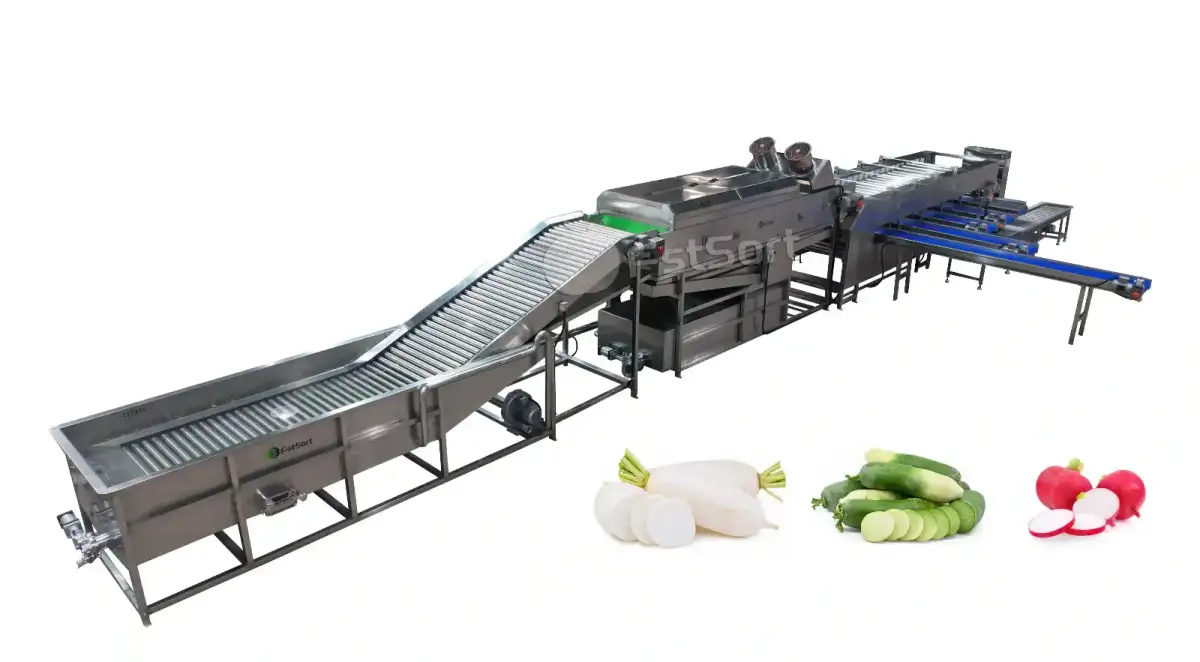
Fstsort's radish cleaning and grading solutions are designed specifically for the challenges of root vegetable processing. The bubble washing machine uses turbulent water to remove dirt and plant debris from radish surfaces — reaching every crevice without damaging the delicate skin.
After washing, the roller grader takes over. It uses a series of forward-moving rollers to sort radishes by diameter with adjustable precision. Deformed or damaged radishes can be removed at the inspection table before grading.
What makes it different:
· Gentle on the crop — The cleaning and grading process is designed to handle radishes with care, minimizing bruising and preserving the crisp texture that buyers expect.
· Built for variety — The system handles white radish, red radish, green radish, and other root vegetables with equal precision.
· Flexible configurations — From a standalone grader to a complete washing-drying-grading line, the system can be customized to match your throughput and space.
· Food-grade materials throughout — 304 stainless steel construction ensures hygiene and durability.
Fstsort has delivered radish processing solutions to growers and packers across multiple markets.
Want to see which configuration fits your radish operation? Visit our carrot washing & grading machine page for complete specifications →
Is Your Radish Line Working for You?
A clean radish sells. A graded radish sells for more. The question is whether your line is doing both — efficiently, consistently, and without unnecessary labor.
The technology exists. The question is whether you're ready to use it.