

How are tomatoes sorted in export-grade processing? Learn how tomato optical sorting machines use high-speed cameras and AI imaging to detect blemishes, color deviation, and defects—boosting grade rates and reducing labor costs.
How Tomato Optical Sorting Machines Are Transforming Export-Grade Quality Control
Tomatoes, as one of the most common vegetables in the food processing industry, come in a wide variety of shapes—round, oval, or slightly flat—with significant differences between varieties and often uneven ripening. Traditional manual sorting struggles to make comprehensive and accurate judgments on these diverse appearance characteristics. The tomato optical sorting machine is an efficient and accurate grading solution designed specifically to address this challenge.
The Hidden Cost of Manual Sorting

The global fruit and vegetable sorting equipment market is expanding at a CAGR of over 7%. For tomato processors, a practical challenge is emerging: traditional manual sorting struggles to make comprehensive, accurate, and consistent judgments when faced with the wide variety of tomato shapes, sizes, and ripeness levels.
Manual sorting relies primarily on naked-eye observation and subjective experience. When handling high-speed production lines with large volumes, it is prone to missed detections or misjudgments due to visual fatigue and inconsistent individual standards. For processors targeting premium supermarkets and export markets, even one substandard tomato slipping into a finished batch can downgrade an entire shipment from "Grade A" to "Grade B"—a price gap of 30% or more.
Optical sorting technology is redefining what "quality standard" means.
What an Optical Sorter Sees That Humans Cannot
A tomato optical sorting machine doesn't just "replace" human sorters—it does what humans can never do.
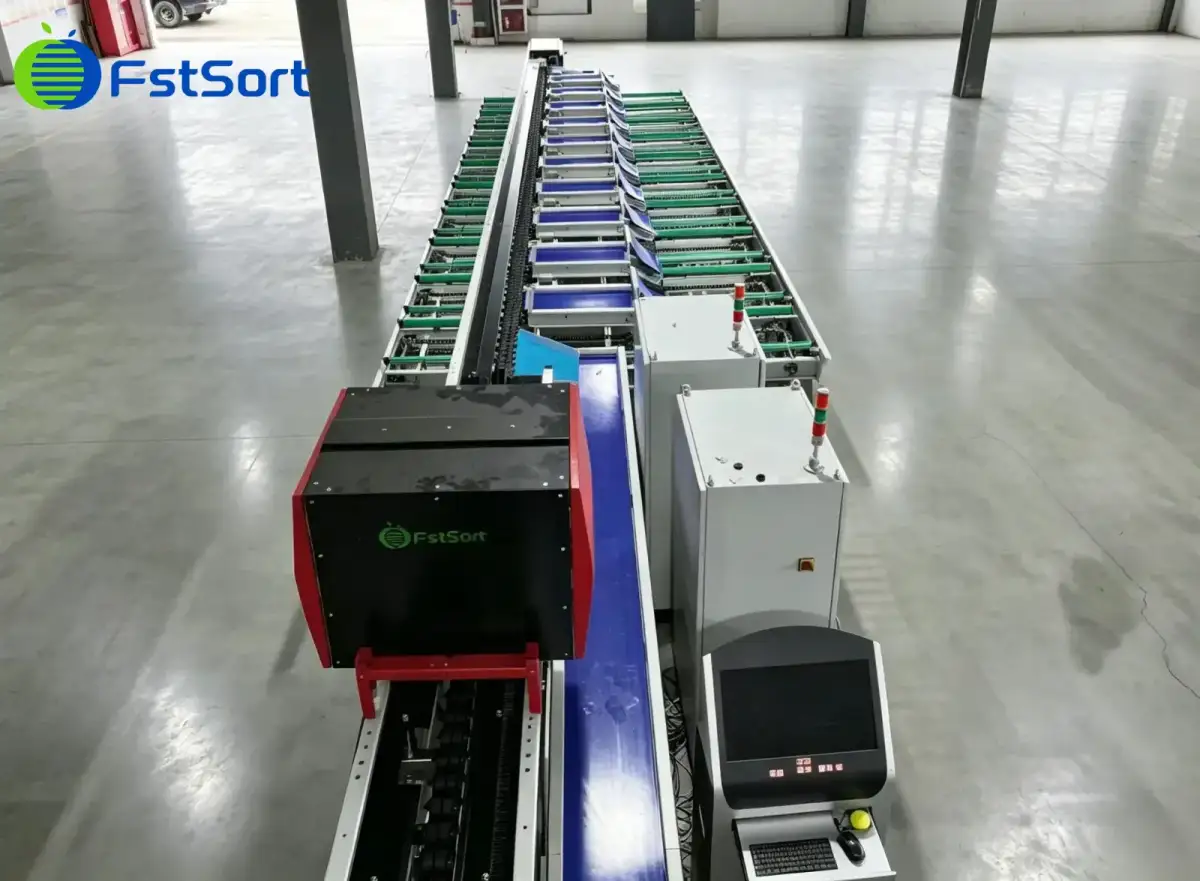
Using optical imaging technology and computer image processing technology, the machine scans every single tomato in milliseconds as it passes through the line at several meters per second. It detects far more than the human eye can perceive:
· Surface blemishes: Microscopic spots and bruise marks invisible to the naked eye
· Color deviation: Subtle ripeness differences to ensure uniform color across every box
· Shape abnormalities: Automatic removal of misshapen or deformed fruits
· Size grading: Accurate determination of tomato dimensions
Best of all, the entire process is completely non-destructive—tomatoes pass through at high speed without being squeezed or damaged. For export-grade tomatoes, this is critical: every 1% reduction in damage rate equals a 1% direct increase in saleable output.
Why Global Exporters Are Going Optical
Global consumers are demanding higher standards for food quality and safety than ever before. In international markets, tomato grading is no longer just about "size" and "weight"—appearance consistency is becoming the primary price differentiator.
Here's how the optical sorter works: high-speed industrial cameras capture images of each tomato as it passes through, the computer image processing system analyzes the image data in milliseconds against preset quality standards, and the rejection mechanism automatically removes substandard products. The entire operation runs automatically, with no manual intervention required.
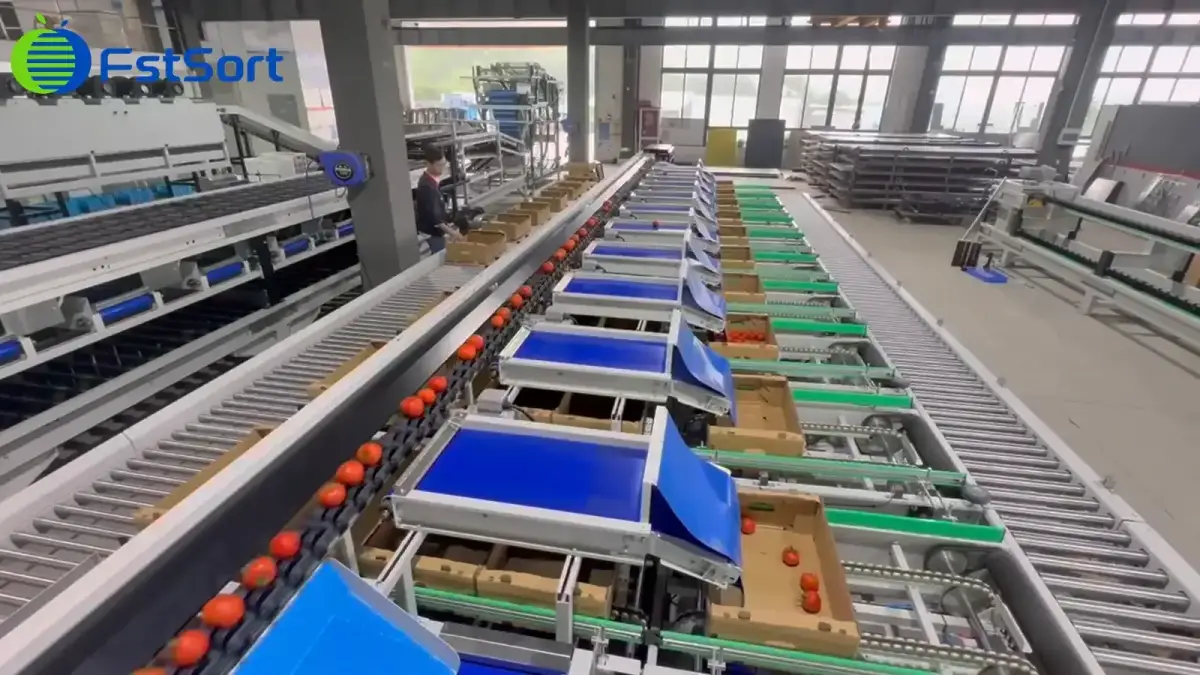
For tomato processors, installing an optical sorter delivers three key benefits:
1. Consistently higher grade output—every tomato leaving your facility meets the same standard
2. Access to premium markets—meeting the strict appearance requirements of export destinations
3. Significantly reduced labor costs—automated sorting reduces dependence on large sorting crews
Is an Optical Sorter Right for Your Line?
If any of these apply to your operation, a tomato optical sorting machine should be your next investment:
· Your products target export or premium retail channels
· Quality complaints from manual sorting are becoming frequent
· You want to increase the proportion of top-grade products from your existing line
· You're planning to upgrade from manual to automated processing
Optical sorters can be integrated with electronic weight sorters and drum graders to form a complete processing line—from washing and drying to sorting and packing. Output quality remains consistent, unaffected by worker fatigue, shift changes, or mood swings.
For more information about optical sorting equipment, please visit our tomato processing machines page→