
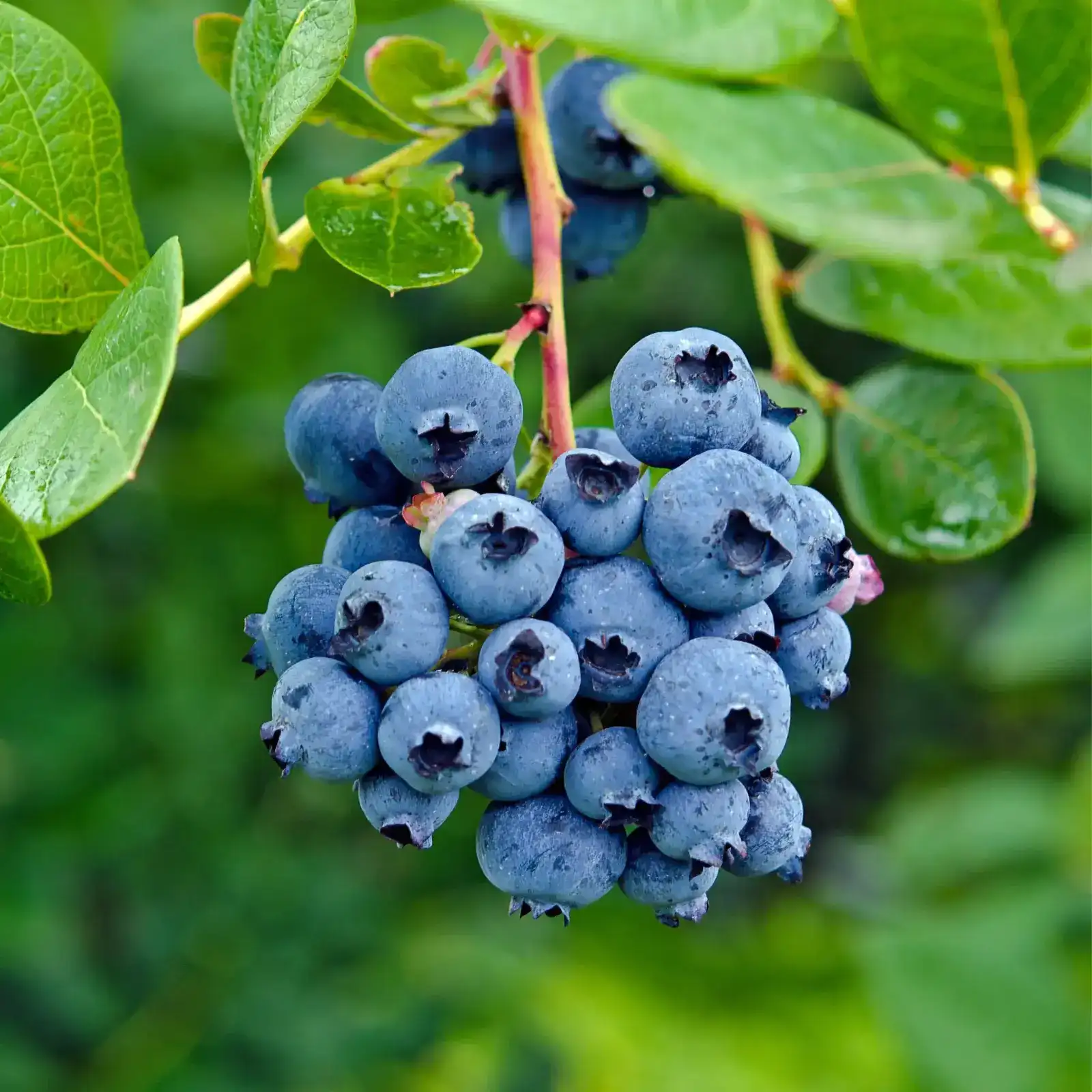
A medium-sized blueberry packer was processing 300 kg per day. Then the orders grew to 800 kg per day. The drum sorter that worked fine before suddenly became the bottleneck — and the bloom was starting to suffer. Here's how a belt sorter changed the math.
The Point Where Drum Sorters Stop Working
For a small farm, a drum sorter is a reliable workhorse. It sorts berries by diameter, handles moderate volumes, and gets the job done.
But at a certain point — usually when daily throughput passes 500 kg — the limitations start to show.
The first sign: the line can't keep up with the harvest. Berries pile up at the infeed. Workers wait for the sorter to catch up.
The second sign: bloom quality starts to decline. The gentle handling that worked at 300 kg/h doesn't scale the same way at higher speeds. More berries, faster movement, more friction — and the powdery coating that buyers pay a premium for begins to show wear.
The third sign: fixing either problem creates another. Slow the line down to protect the bloom, and the bottleneck gets worse. Speed it up to clear the backlog, and bloom quality drops further.
This is the point where drum sorters stop being the solution and start being the problem.
What Changes When You Switch to a Belt Sorter
A belt sorter operates on a fundamentally different principle.
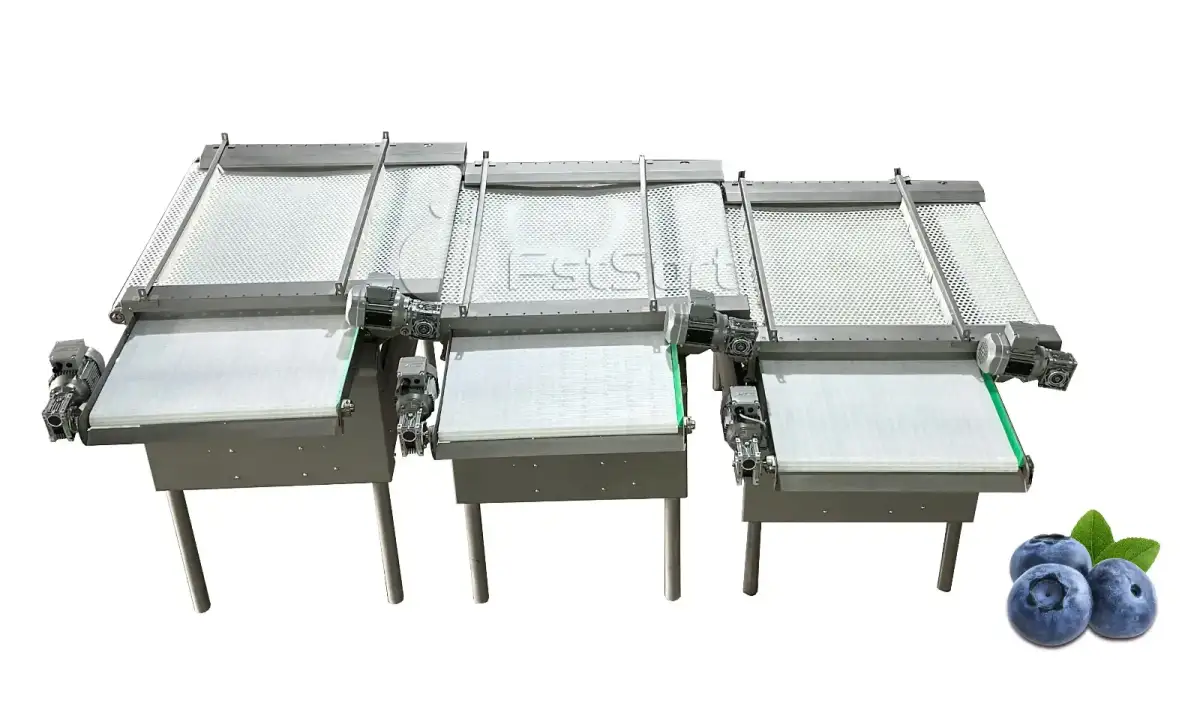
Instead of tumbling berries through a rotating drum, a belt sorter carries them flat on a perforated belt. They don't fall, bounce, or rub against each other. They move in a single layer, sorted by diameter as they pass over the correct belt openings.
The practical difference:
· Drop height is measured in centimeters — impact damage drops to near zero
· Berries don't tumble — no friction means the bloom stays intact from infeed to packing
· Capacity doesn't require speed — 1 ton per hour moves smoothly, not hurriedly
The result: the same gentle handling at 1 ton per hour that most drum sorters can only deliver at 300–500 kg.
The Real Operational Advantage: Less Downtime, More Running Time
One feature often overlooked in spec sheets makes a bigger difference in daily operations than almost anything else: belt change time.
With a drum sorter, changing size specifications means swapping out the entire drum. It's heavy, time-consuming, and usually requires tools and extra hands.
With a belt sorter, changing size specifications means releasing a single latch and sliding on a different belt. Two minutes, no tools, one person.
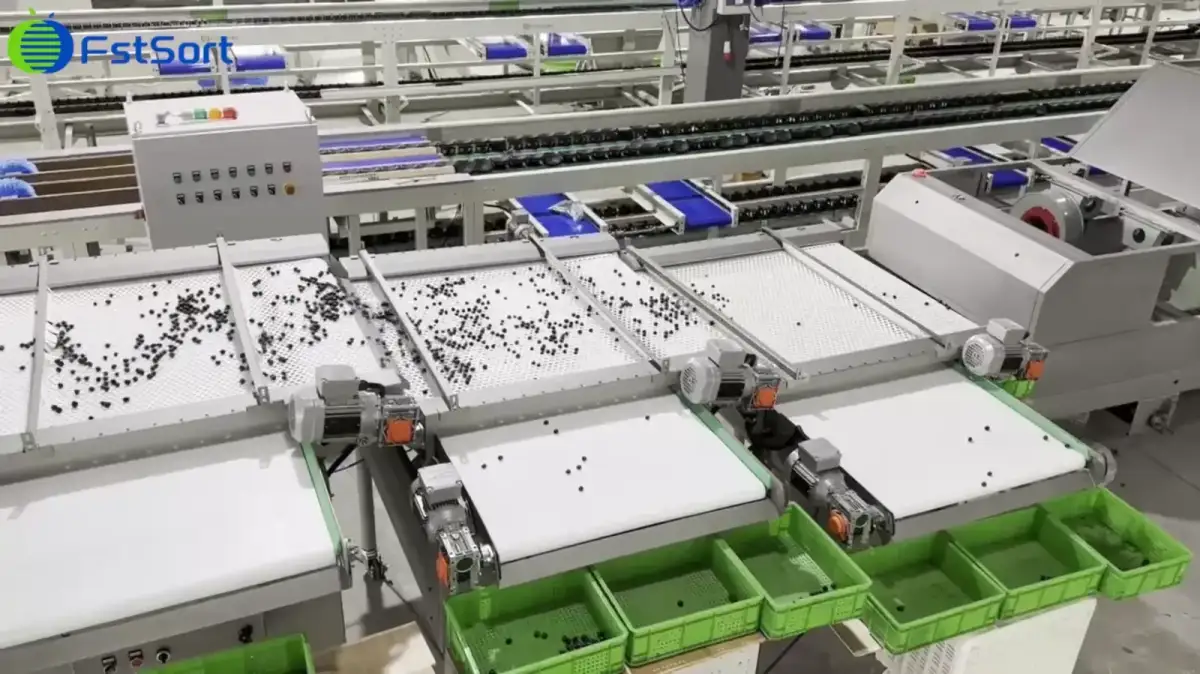
For a packer who sorts multiple varieties or fills orders for different markets, this means:
· No more lost shifts just to change sizes
· No more guessing which size to run all day
· No more downtime eating into the window between harvest and delivery
The belt sorter doesn't just sort berries — it keeps the entire packing line moving.
What the Whole Line Looks Like
A belt sorting line isn't just the sorter itself. It's a continuous flow:
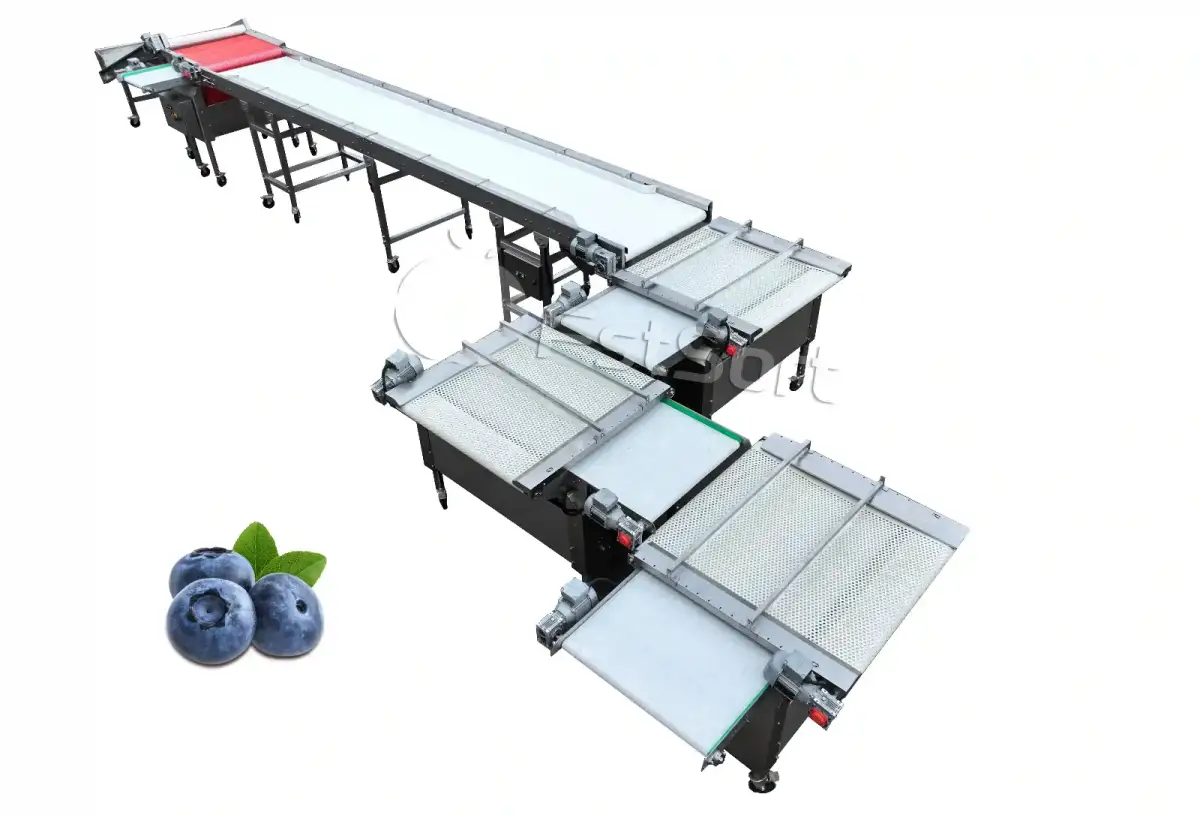
· Elevator — Gentle transport from the hopper to the line, controlled speed so berries aren't dumped or dropped
· Eliminator — Removes debris, leaves, and undersized berries before they reach the main sorter
· Inspection table — A manual check station where workers can spot and remove any remaining defects
· Belt sorter — The core of the line, sorting by diameter with the gentle handling that keeps bloom intact
· Packing integration — Direct connection to packing tables or automatic fillers, so sorted berries go straight into their final packs
The whole line runs at a steady pace — not rushed, not delayed. The berries that go in come out sorted, intact, and ready for market.
What Packers Say After Switching
Fstsort has installed belt grading lines in packing houses across Austria, Canada, South Africa, and Zimbabwe. The feedback is consistent:
"We were worried about losing bloom when we scaled up. We lost more bloom keeping our old drum sorter running at higher speeds than we ever lost on the belt sorter."
"The belt change alone saved us half a day per week. That adds up to weeks over a season."
"We run different varieties through the same line now. We never could have done that with the drum."
Want to know more details? See our blueberry grading machine page →
The Shift Is Happening
The blueberry industry is moving toward larger operations, tighter quality standards, and more varied market requirements. The equipment that worked at 300 kg doesn't always work at 1 ton.
Belt grading isn't new technology. But for many packers, it's the solution to a problem they didn't know had a different answer.
The capacity is there. The bloom protection is there. The operational flexibility is there.
The only question is how much longer you'll run on the old way before making the shift.