
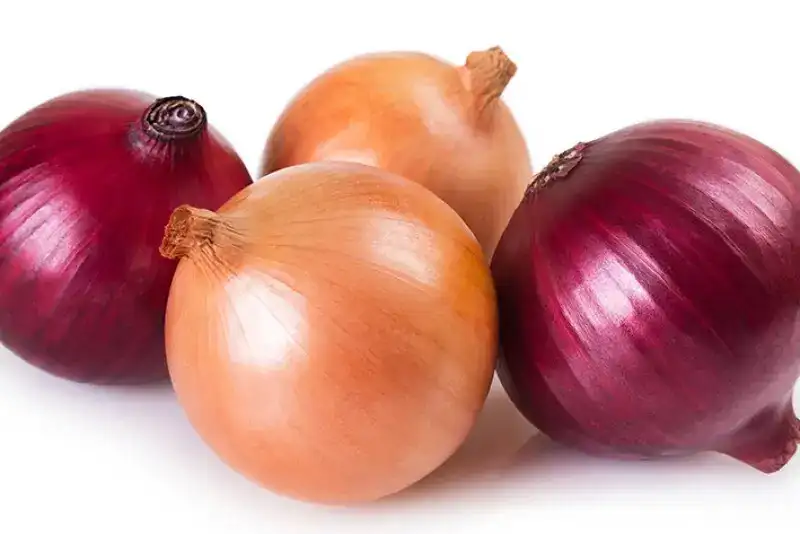
Not all onions are the same shape. Yellow and white onions are round. Purple onions are flat. And that changes everything about how they should be graded. Here's how to choose between a roller grader and a drum grader — and why getting it right matters for your bottom line.
Two Onion Shapes, Two Grading Technologies
Onion packers across the industry are asking the same question: "Which grader is right for my onions?"
The answer depends on one simple factor: the shape of your onions.
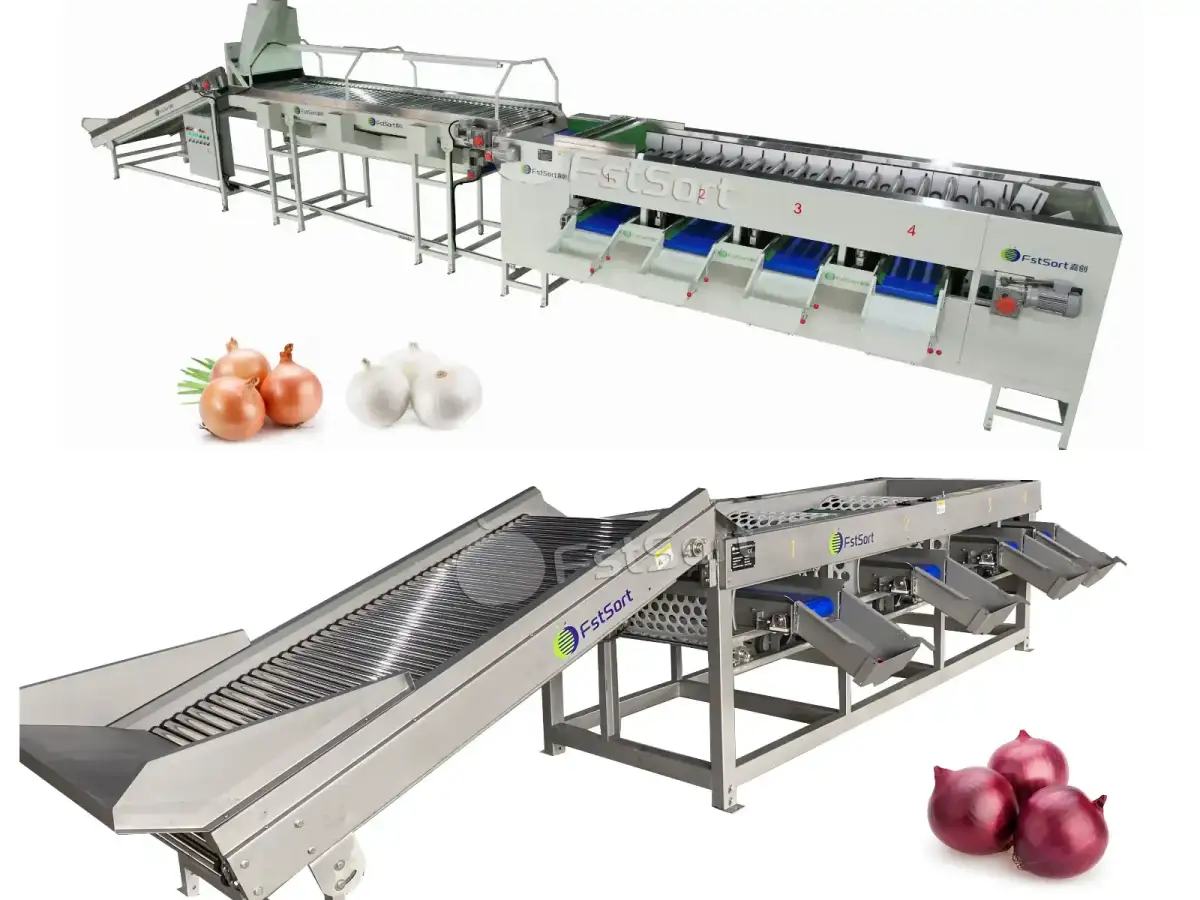
Round yellow and white onions roll smoothly and predictably. They travel in a straight line, which makes them ideal for roller graders — machines that use forward-moving rollers with gradually widening gaps to sort by diameter with precision and gentle handling.
Flat purple onions, on the other hand, don't roll the same way. They shift, tilt, and can get wedged into gaps that don't represent their true size. For these, a drum grader is the better choice — its rotating drum design measures diameter from multiple angles as the onion tumbles.
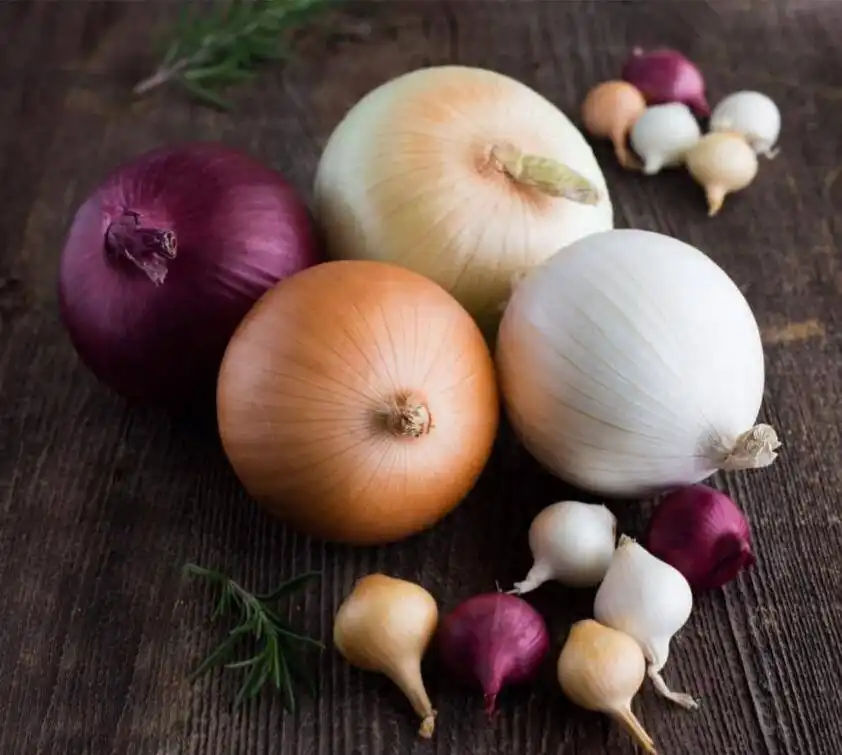
Using a roller grader on flat purple onions? You'll get inconsistent grades. Using a drum grader on round yellow onions? It works, but a roller grader would do it more gently. Matching the technology to your onion type isn't optional — it's essential.
Capacity That Keeps Up with Your Harvest
Both graders are built for commercial volumes — but they deliver capacity differently.
Feature | Roller Grader | Drum Grader |
|---|---|---|
Best for | Round/oval yellow & white onions | Flat purple onions |
Capacity | 6–8 tons per hour | 10–15 tons per hour |
Key advantage | Gentle handling, reduces bruising | High capacity, simple structure |
Grade options | 4–5 adjustable sizes | Multiple adjustable sizes |
For packers processing yellow or white onions, the roller grader delivers the gentle handling that keeps onions in premium condition — no crushing, no bruising, no damage.
For packers processing flat purple onions, the drum grader delivers the high capacity (10–15 tons per hour) needed to keep pace with large harvest volumes.
The Cost of Getting It Wrong
Choosing the wrong grader isn‘t just a technical error — it's a financial one.
Wrong Choice | The Cost |
|---|---|
Roller grader on flat purple onions | Flat onions don't roll straight — they wedge sideways, fall through the wrong gaps, and end up in the wrong grade. Premium onions get priced as seconds. |
Drum grader on round yellow onions | It works, but it's overkill. Roller graders are gentler on round onions and cost less to operate. You're paying for capacity you don't need. |
The right grader doesn't just sort onions — it protects your profit by making sure every onion reaches the right buyer at the right price.
One Machine, Two Crops: The Garlic Advantage
Here's something many onion packers don't realize: the drum grader can also sort garlic.
By simply replacing the grading drums, the Fstsort drum grader can process approximately 8 tons of garlic per hour. For packers who handle both onions and garlic seasonally, this versatility means one investment serves two crops — no need to purchase separate equipment for each.
It's a practical advantage that adds real value to the machine.
Built for the Real World
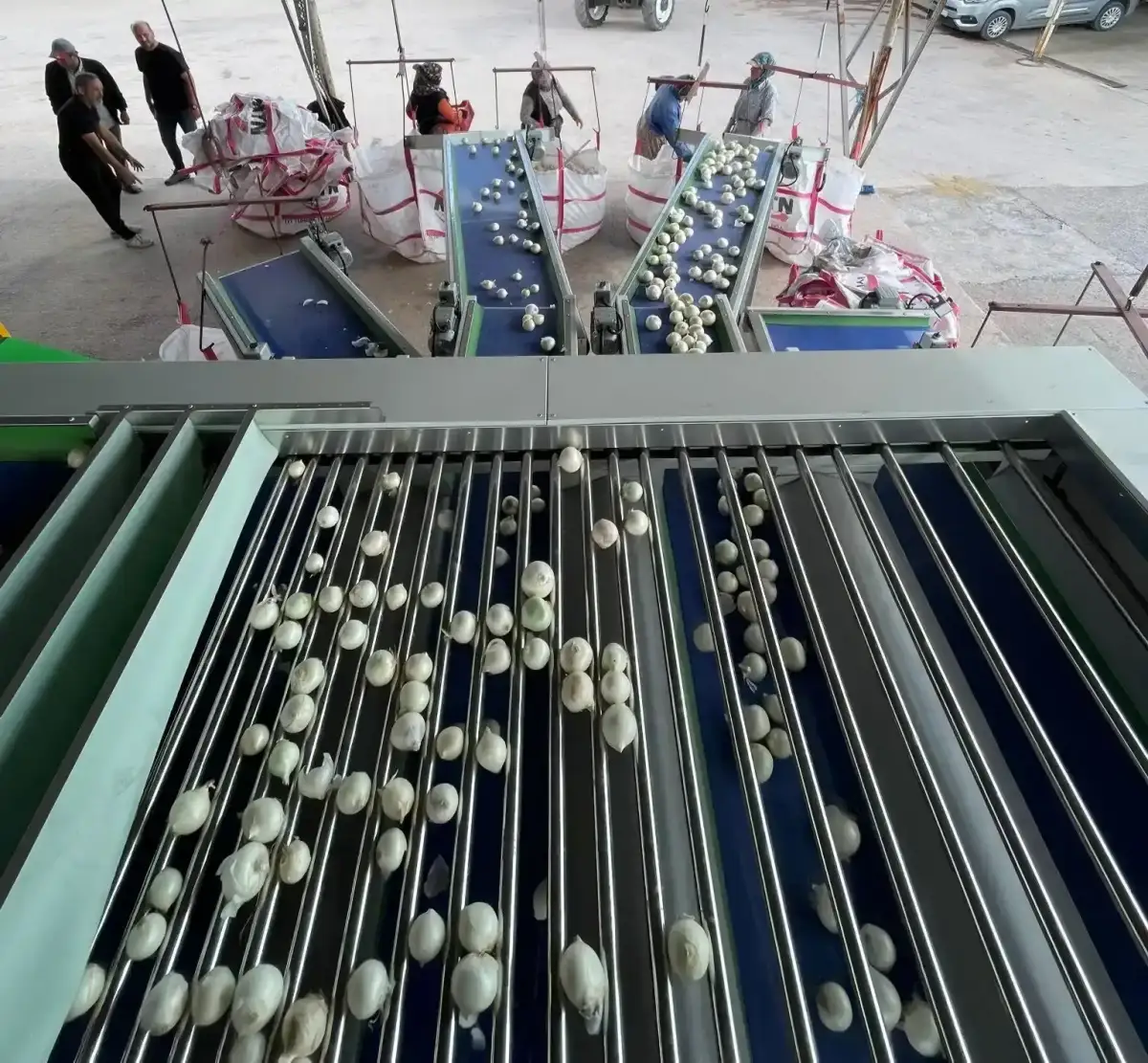
Fstsort onion grading machines are designed with commercial realities in mind:
· Durable construction — Built to handle the dirt, dust, and constant use of commercial packing houses
· Proven reliability — More than a hundred drum sorters are already operating in China alone
· Flexible configurations — Add skin remover, automatic box filler, or bagging system as needed
· Custom layouts — Available in Linear, L-shape, or U-shape configurations to fit your facility
Fstsort has also delivered customized onion grading solutions to customers in Senegal, Turkey, and the United States — helping packers in diverse markets scale their operations.
Not sure which grader fits your onions? Explore the full specifications on our onion sorting grading machine page →
Shape Determines the Grader. The Grader Determines Your Profit.
Round onions need roller graders. Flat onions need drum graders. The right match protects your onions, your capacity, and your bottom line.
The technology exists. The question is whether you're using the right one for your onions.