

The first batch of Egyptian Barhi fresh dates has arrived in China — opening a new market for this golden, high-sugar variety. But for packers and processors, entering the Chinese market comes with a critical question: how do you process fresh dates for export without compromising their delicate quality?
A New Chapter for Egyptian Dates in China
The first batch of Egyptian fresh Barhi dates arrived in the Chinese market last week — marking a significant milestone for Egypt‘s date export industry.
Fresh Egyptian dates received approval to enter the Chinese market in 2019, but this year is the first year of actual imports. The initial shipment, imported and distributed by Shenzhen Yumsun Fruit Co., arrived by air and is now available for sale.
The Egyptian Barhi date is a distinctive variety: golden-yellow in color, olive-shaped, weighing about 15–20 grams per fruit. Its flavor profile is unique — a slight astringency on the first bite, followed by a refreshing, non-greasy sweetness thanks to its exceptionally high sugar content of 30° Brix. The fruit has a crisp texture and is highly regarded in the industry.
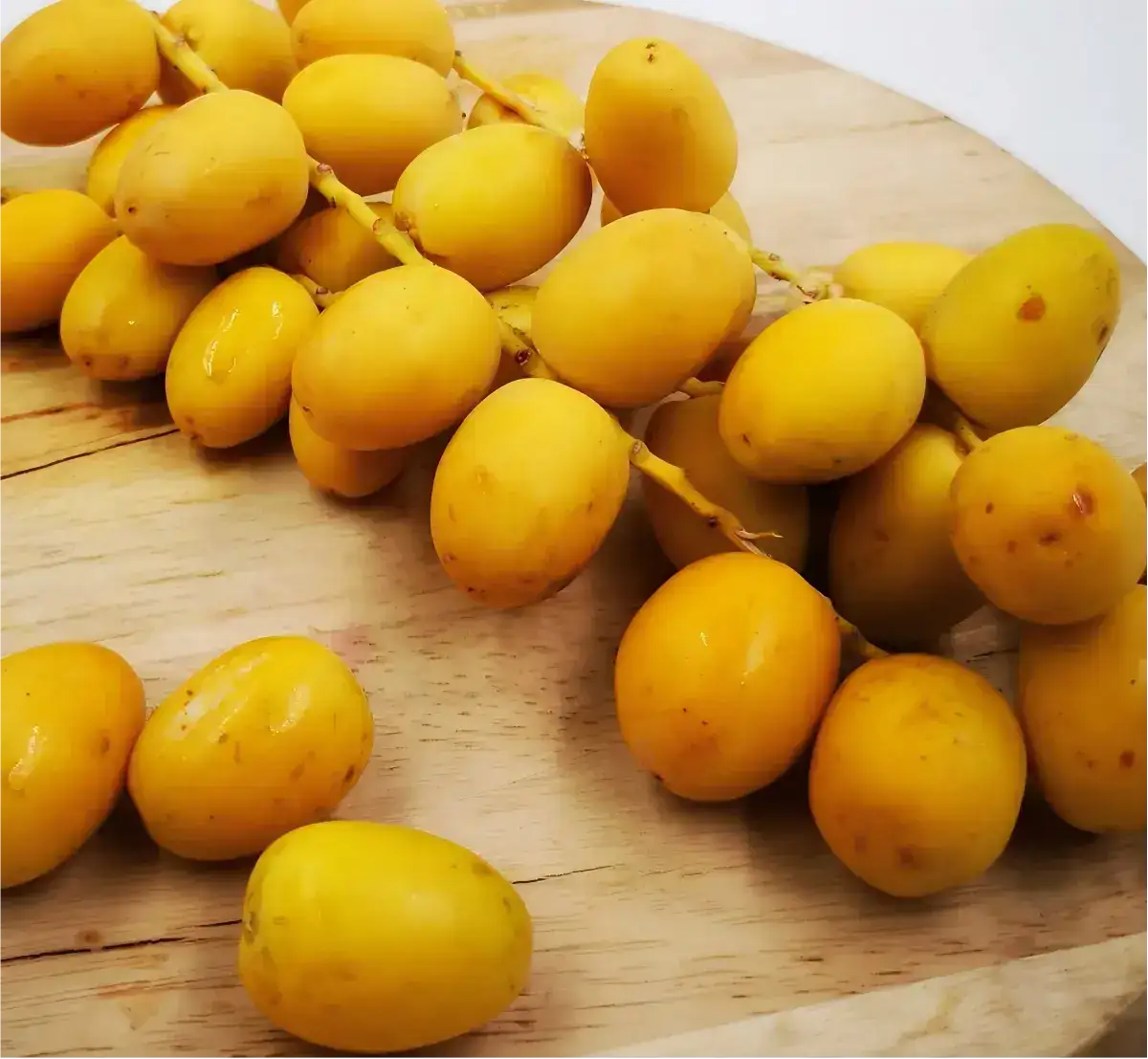
Currently, there are only two date varieties suitable for fresh consumption with mild astringency — and Barhi is one of them.
A Short Season, A Limited Supply
Barhi dates have a short production season: starting in mid-to-early August and lasting until late September or early October.
This year, due to climate conditions in the production areas, only a few hundred tons have met export standards. Egypt‘s fresh dates are primarily exported to Europe and Southeast Asia, with Europe being the largest consumer market.
For Chinese importers and distributors, this represents a significant opportunity — but also a challenge: the supply is limited, the season is short, and the fruit is delicate.
Fresh Dates vs. Dry Dates: A Critical Difference
Not all dates are the same. As Roy Lu from Yumsun Fruit Co. explains, dates are generally divided into two types: fresh and dry.
· Dry dates — Grown in Iran, Saudi Arabia, and similar climates. These dates are typically consumed dried and can withstand longer storage and rougher handling.
· Fresh dates — Grown in Egypt, Peru, Thailand, and similar regions. These varieties are consumed fresh and are far more delicate.
Among fresh date origins, Peruvian dates are more visually appealing with better color, while Egyptian dates stand out for their stronger flavor and higher sugar content.
The takeaway: Fresh dates cannot be processed the same way as dry dates. They require gentler handling, more precise grading, and careful post-harvest treatment to maintain their appearance, texture, and flavor.
The Processing Challenge: Meeting Export Standards
For Egyptian Barhi dates to succeed in the Chinese market — and for Chinese processors looking to handle this premium import — the post-harvest processing line must meet export-grade standards.
Fresh dates, unlike their dried counterparts, have thin skin and delicate flesh. Rough handling during washing, drying, or grading can damage the fruit, reducing its market value and shelf life.
This is where the right processing equipment becomes essential:
· Gentle washing — Removes field debris without damaging the delicate skin
· Precise grading — Sorts by size and quality to meet the expectations of mid-to-high-end consumers
· Careful handling — Every transfer point must minimize drop height and impact
For processors looking to work with Barhi dates — or any fresh date variety — the equipment must be designed specifically for the unique characteristics of fresh dates.
A Smarter Way to Process Fresh Dates
This is where Fstsort comes in.
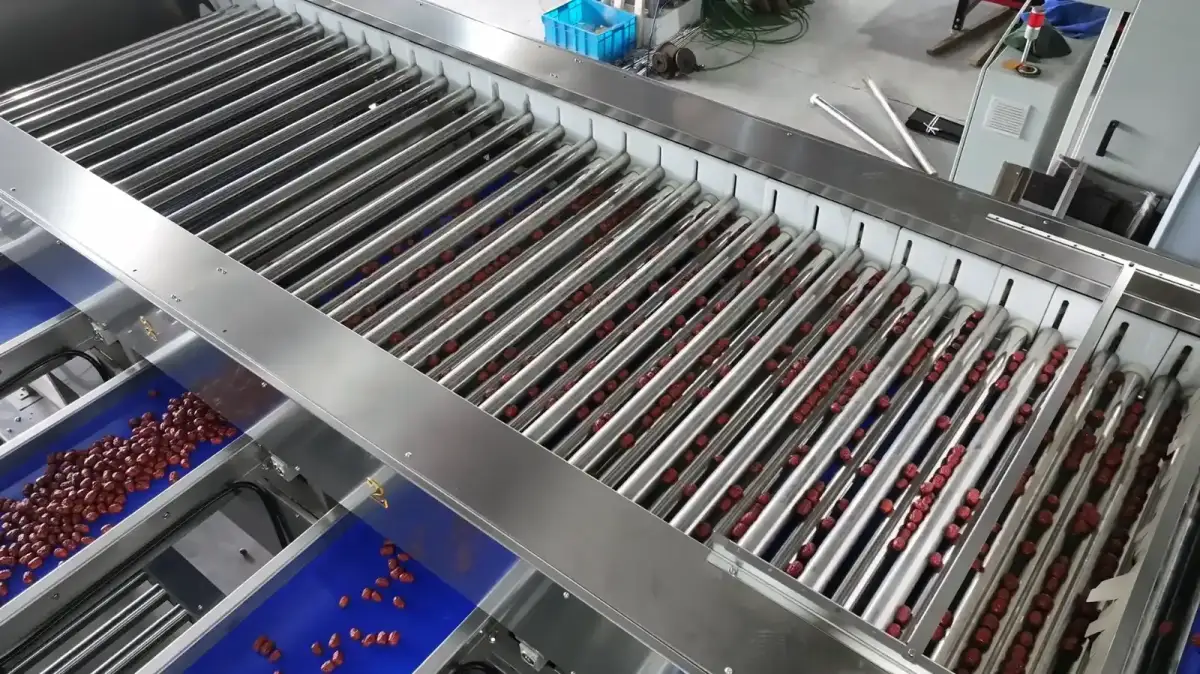
Fstsort offers date processing solutions designed specifically for the unique challenges of fresh dates. Unlike generic fruit graders, Fstsort‘s date grading machines feature gentle handling that protects delicate fresh dates from bruising and damage.
What makes Fstsort different for fresh dates:
· Gentle on delicate fruit — Roller designs and soft handling at every stage protect the thin skin and tender flesh that make Barhi dates so prized
· Precise, adjustable grading — 3–6 adjustable sizes ensure consistent quality for mid-to-high-end markets
· Flexible configurations — From standalone graders to complete washing-drying-grading lines, the system can be customized to match your specific volume and facility
Fstsort‘s date grading machines are available in three configurations to match different processing needs:· Dates Grader — Size sorting of dates, 2–3 t/h capacity, 3–6 adjustable grades
· Polishing Grader — Removes surface dust from semi-dry dates without adding moisture
· Washing-Drying-Grading Line — Deep cleaning for fresh or sticky dates with water tank, brushes, spray, and air dryers
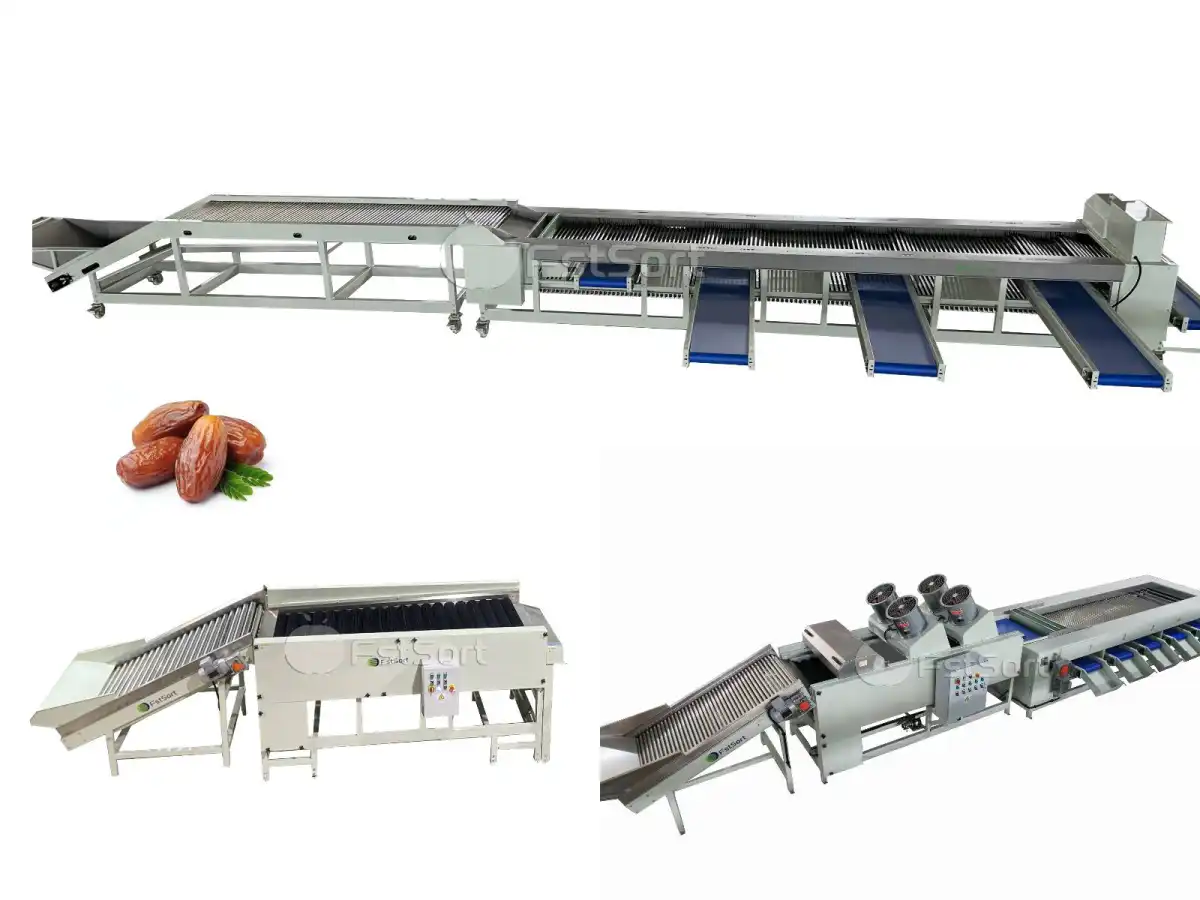
Ready to see how Fstsort can help you process fresh dates for the Chinese market? Explore our complete date processing solutions →
A Growing Opportunity
The Chinese market for fresh dates is still emerging, but the potential is significant. As consumers become more curious about new products, importers are planning to expand from mid-to-high-end supermarkets in Guangzhou and Shenzhen to broader consumer groups.
For date processors and packers — whether in Egypt, China, or elsewhere — the opportunity is clear. But success depends on processing capability. Fresh dates demand equipment that treats them with the care they deserve.
The technology exists. The question is whether your processing line is ready for the fresh date opportunity.