
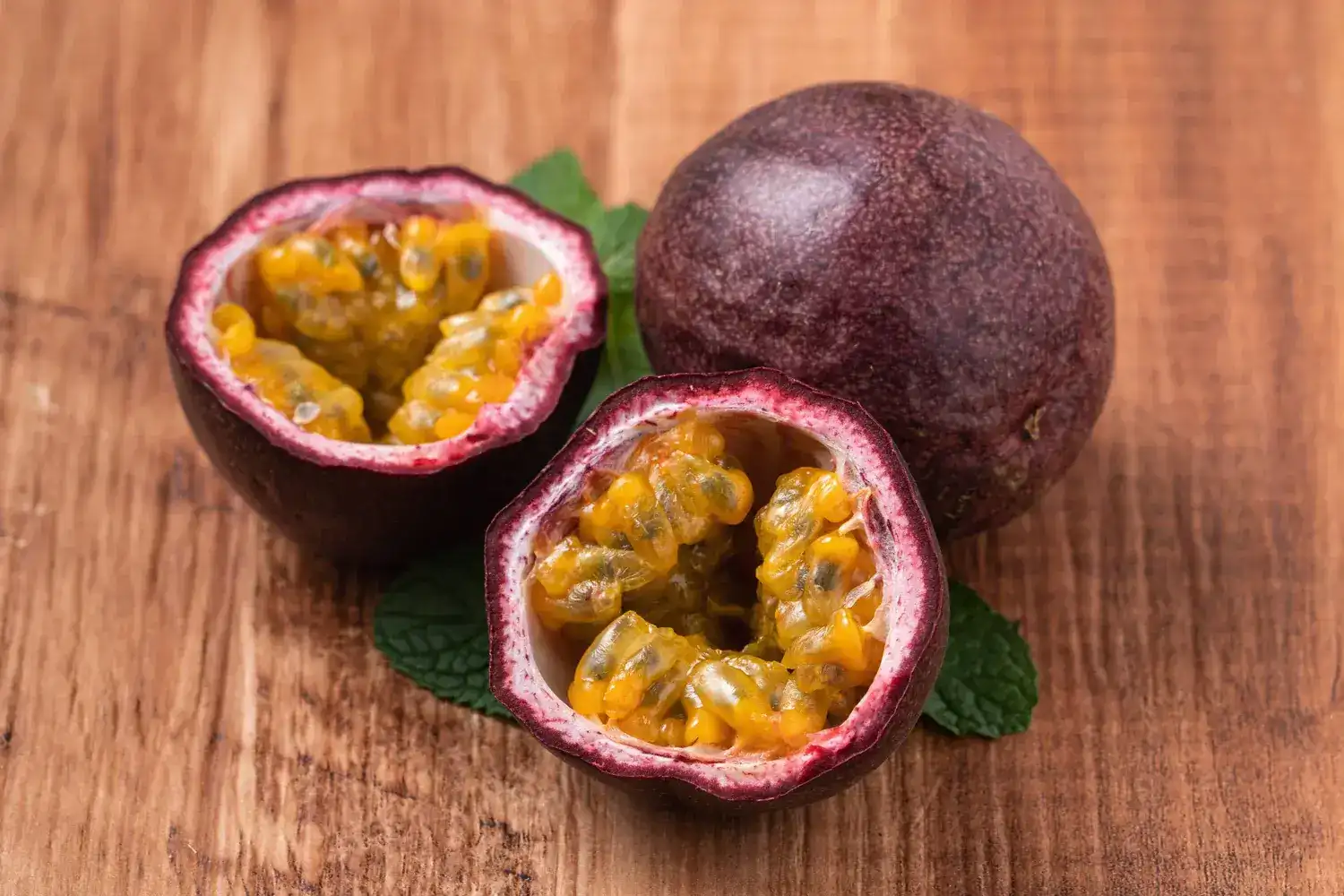
In September 2021, Laos and China signed a landmark protocol allowing fresh passion fruit exports from Laos to China. For Laotian growers and packers, this opens a massive market — but meeting China‘s quality standards requires more than just good fruit.
A New Chapter for Laos Agriculture
On September 13, 2021, a significant agreement was signed between China and Laos. Wang Lingjun, Deputy Director of the General Administration of Customs of the People’s Republic of China, and Pompipa of the Lao Ministry of Agriculture and Forestry formalized the protocol on plant quarantine requirements for the export of fresh passion fruit from Laos to China.

This agreement marked a major milestone. For the first time, Laotian passion fruit could enter the Chinese market through official channels — a game-changer for the country‘s agricultural sector.
China is already Laos‘ largest export market, with 80% of Lao agricultural products shipped to China. Prior to this protocol, a total of eight Lao agricultural products — rice, corn, banana, watermelon, dried cassava, sweet potato, fresh beans, and passion fruit — had signed bilateral protocols with China. Laos is also preparing to export durian, longan, pitaya, jackfruit, and oranges to China.
The passion fruit protocol represents not just a new export opportunity — it‘s a signal of Laos’ growing role in China‘s fresh fruit supply chain.
The Chinese Market: A Growing Appetite for Passion Fruit
China‘s passion fruit market has expanded rapidly in recent years. Large-scale cultivation began in 2012, and today the planting area exceeds 700,000 mu with an annual output of over 600,000 tons. Production is concentrated in the southeast coastal regions and the southwest, with Guangxi alone accounting for approximately 50% of national output.
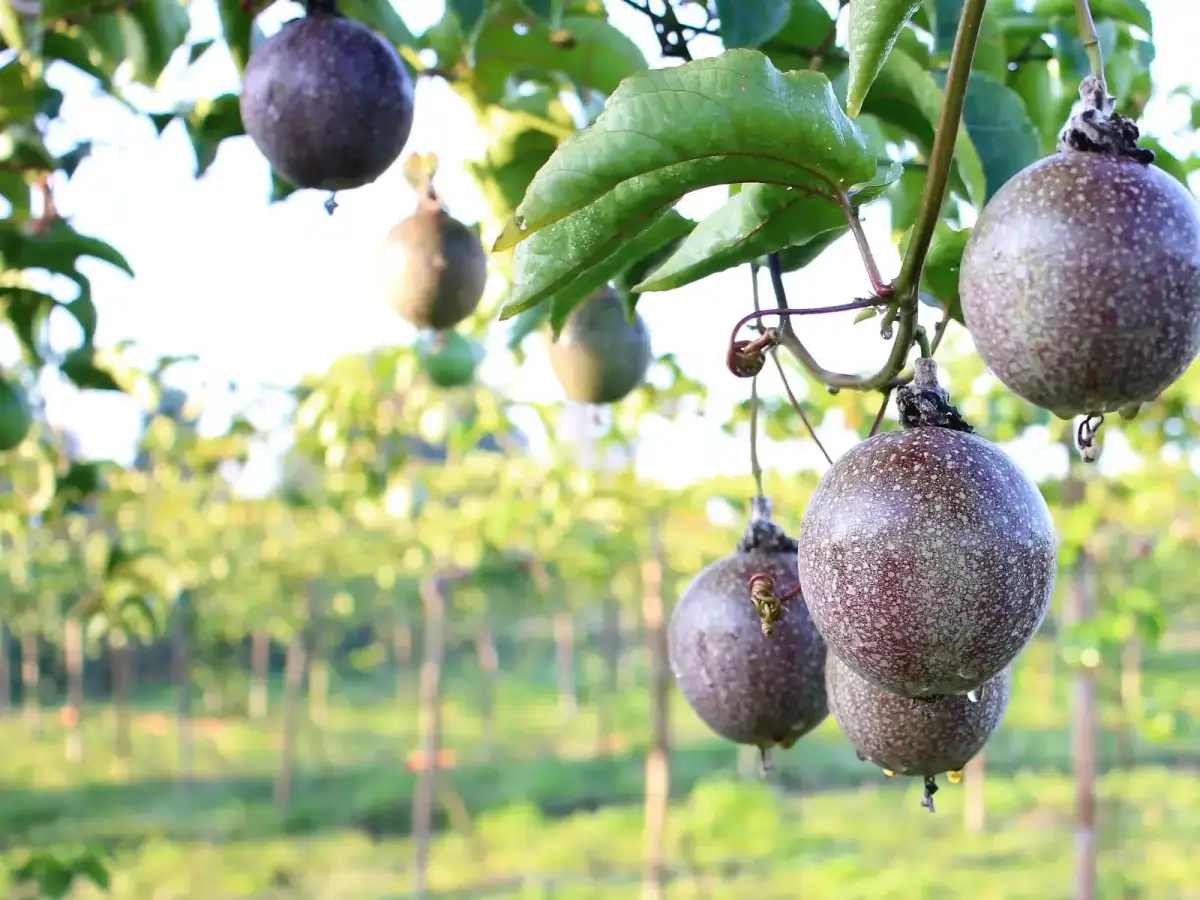
What makes this market unique is the consumption pattern. Fresh passion fruit consumption in China accounts for about 80% of total output, primarily driven by online e-commerce platforms. The fruit‘s popularity has been fueled by the rapid growth of the beverage and new-style tea market, where passion fruit has become a staple ingredient.
Beyond fresh fruit, China‘s passion fruit trade also imports juice — with 90% coming from Vietnam and smaller volumes from Thailand, Ecuador, and other countries.
For Laotian exporters, the opportunity is clear: a large, growing market with strong demand for both fresh fruit and processed products.
The Quality Challenge: What Export Requires
But opportunity comes with requirements. Exporting passion fruit to China is not the same as selling it locally. Chinese importers and consumers have high expectations:
Requirement | Why It Matters |
|---|---|
Uniform sizing | Retailers and e-commerce platforms pack by size — mixed grades mean rejected orders |
No blemishes or damage | Passion fruit has thin skin that bruises easily — damaged fruit loses market value |
Consistent ripeness | Consumers expect fruit that looks and tastes the same every time |
Extended shelf life | Fruit must survive transport from Laos to China and still arrive in sellable condition |
For Laotian growers and packers looking to capitalize on this new export channel, the message is clear: quality consistency is non-negotiable. And achieving that consistency starts at the packing house — with the right grading equipment.
A Smarter Way to Grade for Export
This is where Fstsort comes in.
Fstsort offers passion fruit grading solutions specifically designed for the unique challenges of export-grade processing. Two technologies are available, each suited to different priorities:
· Roller Grader — Sorts by diameter with a capacity of 4 tons per hour and 3–6 adjustable grades. A proven, cost-effective solution for high-volume operations where speed is the priority.
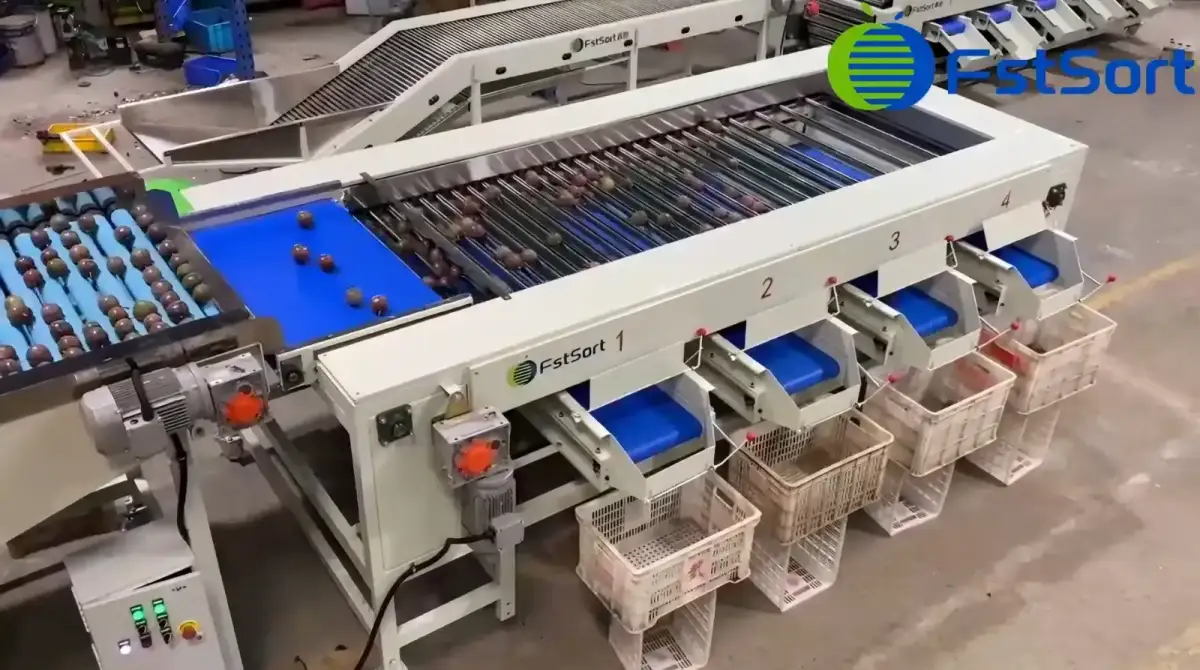
· Electronic Weight Sorter — Sorts by weight with ±2g accuracy and 6–12 exits, featuring extra soft protection (foam rubber, elastic joints, sponge padding) at every touch point. Designed for very fragile fruit destined for premium export markets.
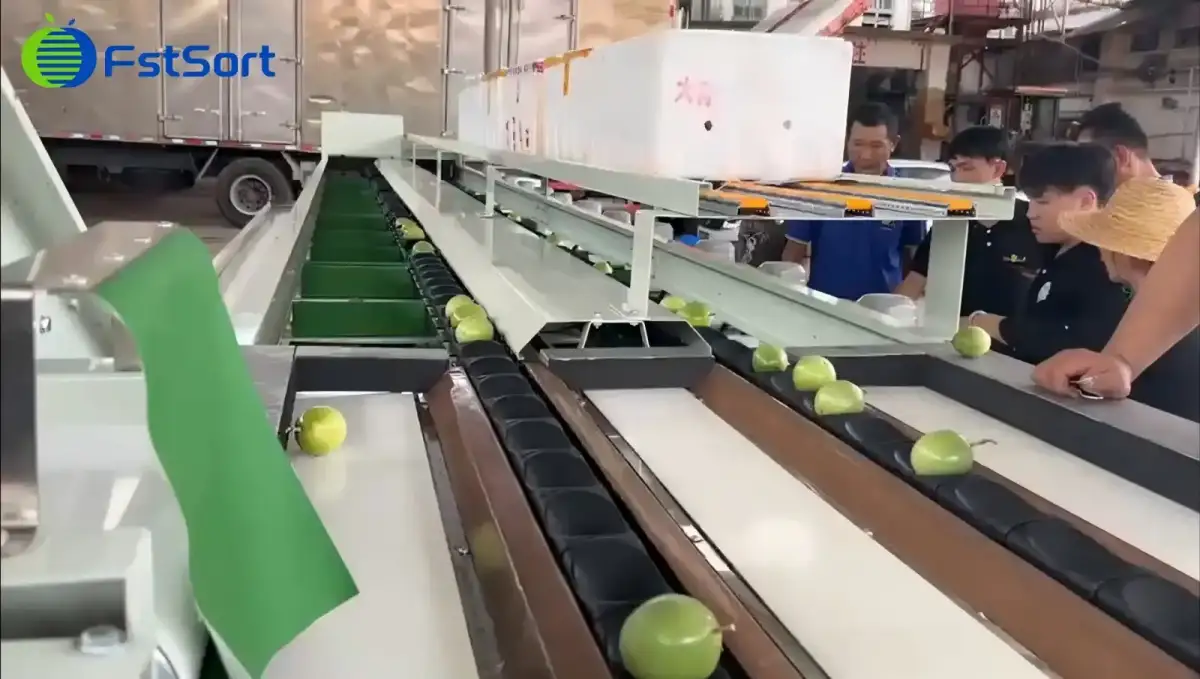
What both share: gentle handling for delicate passion fruit, adjustable sizing to match market requirements, and food-grade materials for safety.
Fstsort has already delivered passion fruit grading solutions to packers in Australia and Spain — helping them meet the exacting standards of export markets.
Ready to see how Fstsort can help you prepare for the Chinese export market? Explore the full specifications on our passion fruit grading machine page →
The Opportunity Is Now
The protocol is signed. The market is open. For Laotian passion fruit growers and packers, the question isn‘t whether to export — it’s how to export at the quality level that Chinese buyers demand.
The technology exists. The question is whether your packing line is ready.