Do you like pumpkins? With a wide variety of pumpkin species, which one is your favorite? Recently, a small pumpkin variety has become a new favorite in healthy eating. Not only is it recommended by fitness enthusiasts and wellness bloggers, but its high fiber and low-calorie qualities have also made it popular among celebrities. This is the "Baby Pumpkin," which has recently taken social media by storm and is considered the ideal meal replacement for the autumn and winter seasons. It is loved by those who focus on healthy eating.
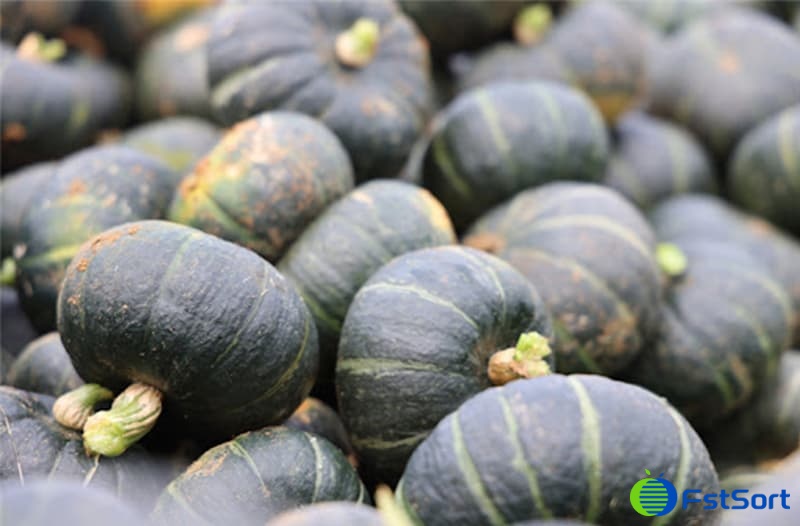
The Baby Pumpkin has a dark green skin with light green stripes, and its small, compact size resembles a large emerald, making it quite attractive. What stands out the most is its taste—its flesh is golden and sweet, with a pumpkin-like aroma and a chestnut-like smoothness. It has become the most popular small pumpkin variety in recent years.
However, in agricultural production, how can we ensure that every Baby Pumpkin maintains its high-quality appearance and nutritional value when it enters the market? This is where modern equipment, such as weight sorting machines, comes into play to improve production efficiency and ensure product consistency.
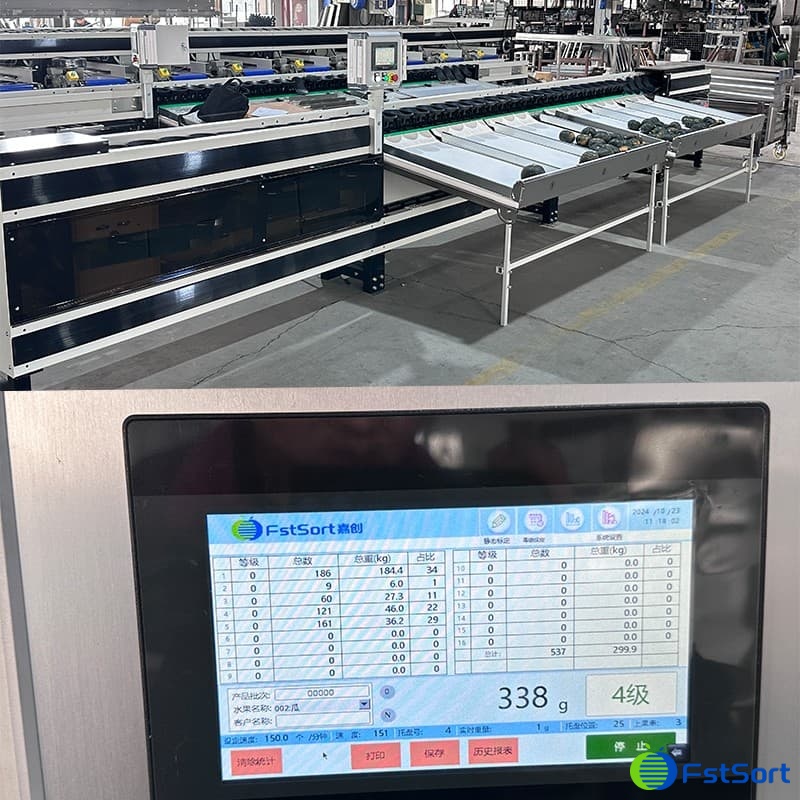
Through precise sorting, farms can handle pumpkins based on their different weights. For example, heavier and larger Baby Pumpkins can be prioritized for packaging or directed to the high-end market, while smaller pumpkins can be used for other purposes, such as making baby food or low-calorie meals, optimizing resource utilization.
For instance, some farms use weight sorting machines to classify each pumpkin carefully before they move into the automated packaging stage, reducing manual intervention and operation time. This boosts the overall efficiency of the production line, while also ensuring that each pumpkin meets consistent quality standards during packaging.
Additionally, weight sorting machines help reduce the flow of substandard products into the market by minimizing the entry of overly heavy or light pumpkins. This ensures that consumers receive higher-quality Baby Pumpkins when making their purchase.
The nutritional advantages and unique taste of Baby Pumpkins have made them increasingly popular in the market, but ensuring consistent quality and production efficiency in large-scale production is just as important. With weight sorting machines, farms can precisely sort each pumpkin, ensuring that it reaches the market in its best condition. This automated sorting not only increases production efficiency and reduces waste, but also helps farms provide higher-quality, consistent products, meeting the demand for healthy and nutritious food.
In the future, as agricultural technology continues to develop, weight sorting machines and healthy foods like Baby Pumpkins will continue to drive the modernization of the agricultural industry, providing global consumers with more high-quality food options.