
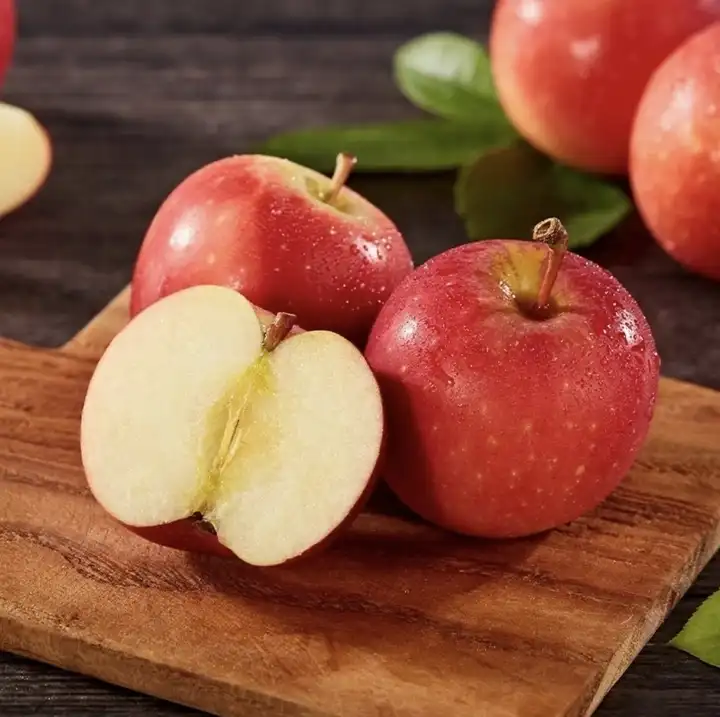
Apple grading machines are essential for modern packing houses. This guide explains electronic weight grading (±2g accuracy), optical sorting, and key differences from mechanical grading. Based on standards from Washington State, South Tyrol, and China’s major apple-growing regions (Shandong, Shaanxi). Learn how to preserve fruit quality and access premium markets.*
Why Apple Grading Matters
Apples harvested from the same orchard can vary widely in size, color, and surface condition. Without proper sorting, this inconsistency leads to lower prices and reduced market competitiveness.
That‘s why more packing plants in the apple industry are turning to apple grading machines to transform variable harvests into uniform, market-ready products.

What Is Apple Grading?
Grading is the process of dividing harvested fruit into consistent categories based on shape, size, color, damage, and other quality factors. The goal is simple: every apple in the same grade should look and perform the same.

Grading Factor | What It Means |
|---|---|
Shape | Variety-specific form, no deformity |
Size | Measured by the maximum diameter of the equatorial section |
Color | Uniformity and varietal red color coverage |
Defects | Bruises, scars, decay, or pest damage |
Bloom | Natural waxy coating—sign of freshness |
💡 Grading standards vary by country, but the fundamentals are universal: intact, fresh, clean, no pests or diseases, properly matured.
Global Grading Standards: A Quick Overview
Different regions, different markets—different apple grading standards. Here’s a snapshot of how major apple-producing regions grade their fruit.
United States (Washington State)
Grades: U.S. Extra Fancy, U.S. Fancy, U.S. No. 1
Color requirements: Red Delicious and other red varieties must meet minimum percentage of surface red color
Size: Measured by diameter in inches or minimum count per packed box
European Union (Italy, South Tyrol)
Varieties: Golden Delicious, Red Delicious, Gala, Fuji, Braeburn, Granny Smith, among others
Quality: Shape, color, skin finish, internal maturity (starch conversion index)
Post-harvest: Forced-air cooling within 2-4 hours; controlled atmosphere storage up to 10-12 months
China (Shandong & Shaanxi – Largest Apple-Producing Regions)
Export grades: AAA, AA, A
Size ranges for export Red Delicious: 65–90mm in Shandong and Hebei (advancing in 5mm increments, 5 sizes total)
Local standard DB61/T 2096-2025 (Shaanxi Province): Varieties include Red Fuji, Red General (Ares), Gala, Qin Guan, Qin Cui, Lu Li, Ruixiang Hong.
Chinese National Standard GB/T-10651-2008: Establishes basic quality, size, and defect tolerances for fresh apples
💡 Awareness of regional standards helps packers align export grading with specific destination markets.
Apple Grading Methods
1. Manual Grading – Traditional but Limited
Two methods dominate manual sorting:
Visual inspection: Workers judge color and size by eye—fast but inconsistent, especially across a full shift.
Grading board: Round holes (60–100mm, advancing in 5mm increments) allow size checking by drop-through. Results are more consistent, but still labor-intensive and slow.

2. Electronic Weight Grading – The Industry Standard for Delicate Fruit
This is where terminology matters. Electronic weight grading has largely replaced older mechanical systems in modern packing houses.
Electronic weight sorting machines compare each apple‘s weight against preset parameters and direct it to the correct outlet. High-precision load cells achieve ±2g accuracy, far superior to mechanical scales.
✅ Why electronic weight grading for apples? Apples bruise easily. Mechanical graders with rollers and fixed gaps can cause impact damage. Electronic weight sorters feature low drop heights, soft fruit cups, and gentle handling—minimizing bruising and preserving natural bloom.
For a detailed look at how electronic apple sorting works, visit our product page: Automatic Apple Weight Sorting Machine
3. Optical Grading – Adding Visual Intelligence
Optical graders use high-speed cameras and AI-powered software to evaluate color, shape, size, bruises, rot, and other surface defects. When combined with electronic weight sorting, this gives packers complete quality control.
Mechanical Grading vs. Electronic Weight Grading: What‘s the Difference?
It’s important to distinguish between these two approaches:
Feature | Mechanical Grader | Electronic Weight Grader |
|---|---|---|
Sorting principle | Fixed rollers or rotating drums size by diameter | Dynamic weighing with load cells (weight-based) |
Accuracy | Moderate | ±2g, highly consistent |
Risk to delicate fruit | Higher – potential for bruising and bloom loss | Lower – low drop heights, soft cups |
Data capabilities | Limited | Touchscreen HMI, real-time statistics, formula storage |
Modern packing house preference | Less common | Preferred for export-grade fruit |
✅ For premium fresh apples destined for high-value markets, electronic weight grading is the recommended choice.
Build a Complete Apple Grading Line with Fstsort
Our apple grading solutions go beyond individual machines. We design integrated lines that can include:
Elevator and inspection table – Gentle feeding + manual defect removal
Electronic weight sorter – ±2g accuracy, 6–12 exits, 1–4 lanes
Optical sorter – Color, size, and surface defect detection; zero physical contact with delicate fruit
Rotary weight grader – Compact footprint, lower cost, ideal for smaller packers
Automatic box filler – From graded fruit to packed cartons
Packing table – Manual packing stations with soft padding for final presentation
Frequently Asked Questions
Q: What‘s the difference between mechanical and electronic apple grading?
Mechanical graders size by physical diameter using rollers or cups—not recommended for fragile apples. Electronic graders sort by weight using load cells (±2g accuracy) with low-drop design, protecting fruit quality.Q: How does Fstsort prevent bruising during sorting?
Low drop heights between sections, soft fruit cups, and food-grade belts ensure gentle handling from elevator to grading to packing outlet.Q: Can I sort by both weight and color on the same line?
Yes. Electronic weight grading and optical sorting are fully compatible. Sort by weight first, then by color or defect detection on the same line.Q: How many weight grades can I have?
Typically 6–12 exits. Configure more grades for premium export markets, fewer for simpler farm-gate packing.