In May 2020, as part of the first phase of the economic and trade agreement signed between China and the United States in January 2020, fresh blueberries grown in certain states of the United States were granted access to the Chinese market for the first time. New opportunities for importers and exporters from China and the United States have begun to emerge, and that is to meet China's growing demand for blueberries, such sweet and juicy berries.
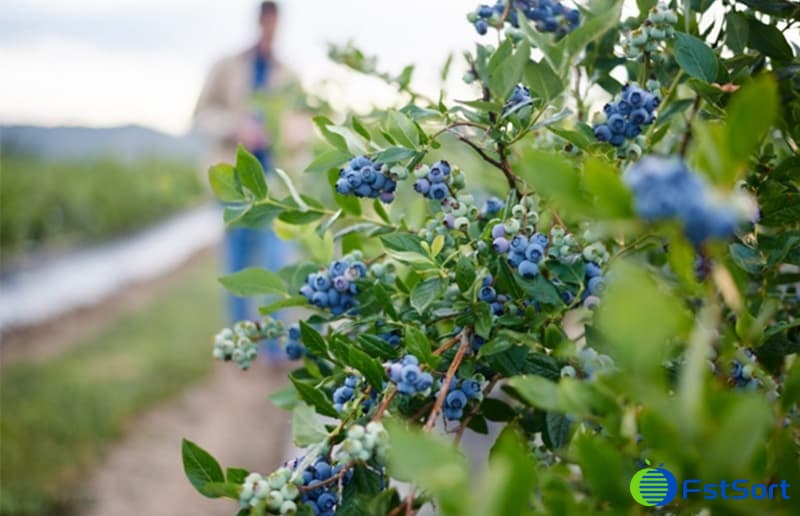
As the world's largest producer of blueberries, the United States has production areas in 38 states and spans four major geographic regions: the Pacific Northwest, the South, the Midwest and the Northeast. However, 10 states of these four main regions account for more than 98% of the commercial blueberries produced in the United States.
As the most common and popular form of blueberries, fresh American blueberries can be found everywhere in grocery stores, restaurants and homes around the world. The blueberries shipped to the fresh market grow on shrubs with an average height of 1.8 meters and are mainly picked by hand. Others use slow-moving harvesters for picking. These harvesters are gently tapped and shaken to let the berries fall into the collection frame. The picked blueberries are sent to the packaging equipment, where they are sorted, and the bruised and immature fruits are removed. The remaining berries are packaged in a transparent clamshell box. The temperature is maintained at -0.6°C to 1°C and the humidity is 90-95% before being shipped to the market and during transportation.