
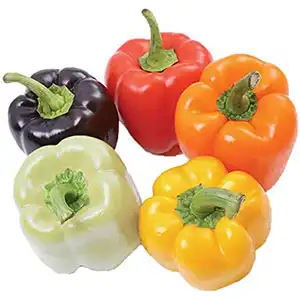
From supermarkets to export terminals, the rules of the bell pepper game are changing — and packers who don't adapt are leaving money on the table.
The Bell Pepper Market Is Changing — Here's What Packers Need to Know
Walk into any major supermarket today and you'll notice something: bell peppers are displayed with military precision. Same size. Same color. Same shape. No blemishes. No exceptions.
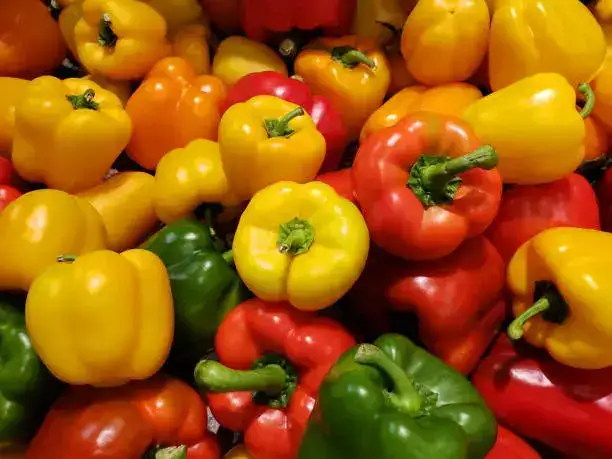
This isn't accidental. It's the result of tightening buyer specifications across global supply chains. North American retailers have long demanded uniform produce. Now European and Middle Eastern buyers are following suit — and they're willing to pay a premium for consistency.
For packers, this shift creates both opportunity and pressure. The opportunity: premium pricing for premium grades. The pressure: existing manual or outdated sorting methods can't deliver the consistency buyers now expect.
Why Bell Peppers Are Harder to Grade Than You Think
Not all produce is created equal — and bell peppers present a unique set of challenges:
Challenge | What It Means for Packers |
|---|---|
Paper-thin skin | Even light scratches during grading can downgrade fruit or make it unmarketable for export |
Wide size variation | A single harvest can produce peppers ranging from 60mm to 120mm — mixed sizes mean rejected shipments |
Color = price | Green, red, yellow, and orange peppers sell at different price points — mis-sorting by color loses revenue |
Export standards | International buyers don't negotiate on specs — if it doesn't meet grade, it doesn't ship |
Labor is getting expensive | Manual sorting is slow, inconsistent, and increasingly hard to staff |
The question is no longer whether to automate grading. It's how to choose the right technology for your specific market and volume.
Three Questions Every Packer Should Ask Before Buying a Grader
Based on our work with bell pepper packers across the Middle East and Asia, we've found that the best purchasing decisions start with three questions:
1. What's your target market?
· Selling to local wholesale? Diameter sorting (roller sizer) may be all you need — it's fast, affordable, and gets the job done.
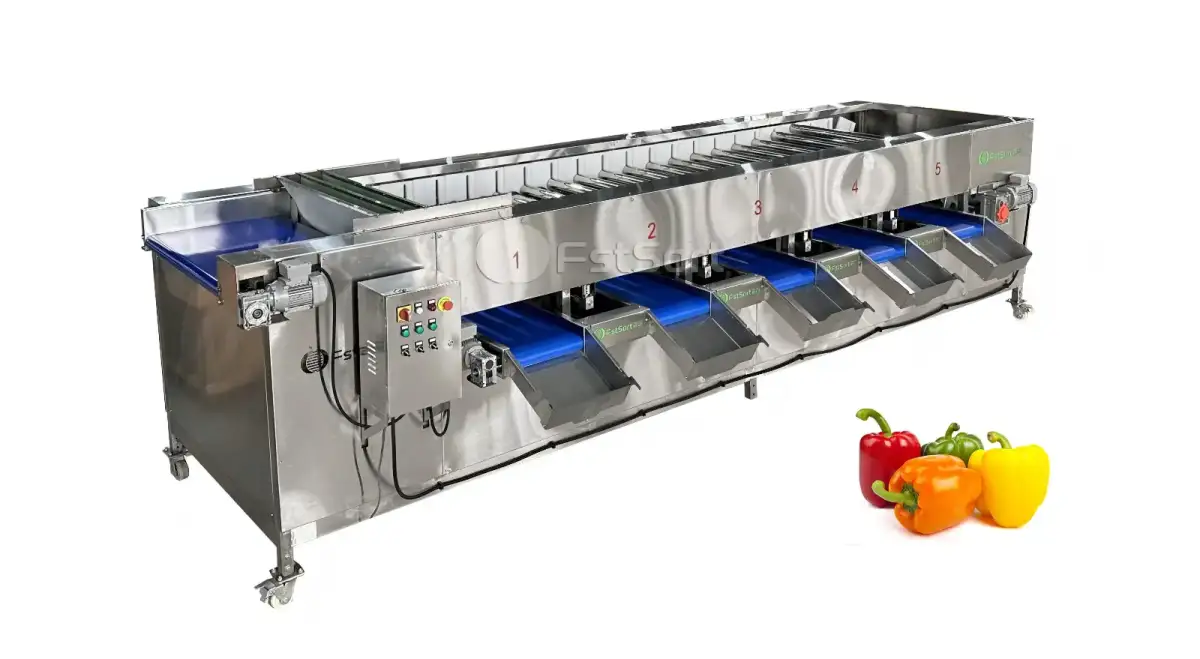
· Exporting to supermarkets? Weight grading (electronic sorter) becomes essential — retailers pack by weight, not by size.
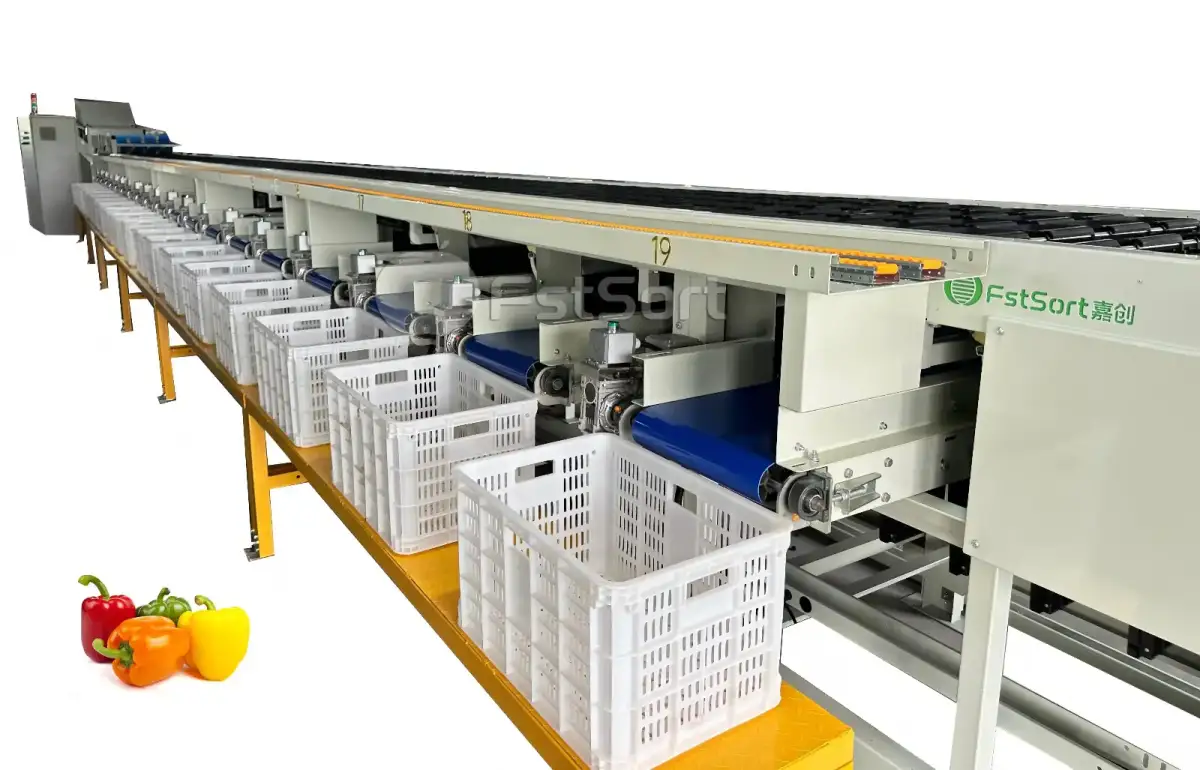
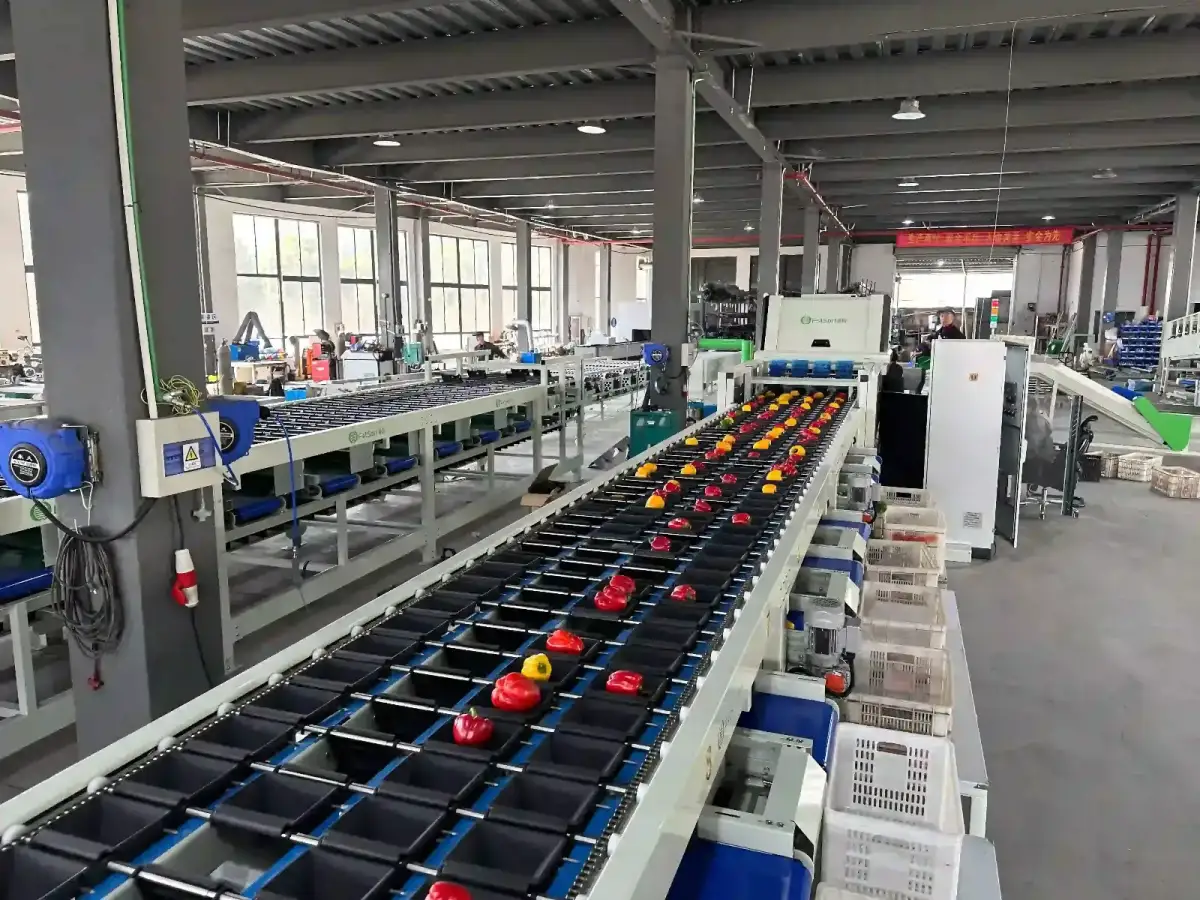
· Going after premium export contracts? Optical sorting for color and defects can pay for itself in reduced rejects.
2. What's your daily volume?
Throughput requirements directly impact which machine configuration makes sense — and what it costs to operate. A roller sizer handles 5–8 tons per hour. A weight sorter processes about 1 ton per hour per lane. Matching capacity to volume avoids over-investing or under-performing.
3. What's your tolerance for manual labor?
Every step you automate reduces labor costs and human error — but the upfront investment varies significantly. The right choice balances your budget against your long-term labor savings.
Which Grader Is Right for Your Operation?
Consideration | Roller Sizer | Weight Sorter | Optical Sorter |
|---|---|---|---|
Primary function | Diameter sorting | Weight grading (±2g) | Color + defect sorting |
Capacity | 5–8 t/h | 1 t/h per lane | Matches upstream throughput |
Grades/Exits | 3–5 grades | 9–20 exits | Multiple color/defect grades |
Best for | High-volume size sorting | Retail weight specifications | Premium export markets |
Investment level | Mid-range | Mid-range | Premium |
Can combine? | ✅ Base unit | ✅ Add-on | ✅ Add-on |
Not sure which configuration fits your bell peppers? Compare models and see full specifications →
What Packers Are Doing in Practice
In Qatar, a major packhouse recently commissioned a complete pepper washing, drying, and sorting line featuring a roller sizer that handles both bell peppers and other vegetables with consistent accuracy.
In Jordan, a similar line was deployed to meet growing export demand for premium-grade peppers.
These aren't one-size-fits-all solutions. Each was customized to the packer's specific crop varieties, throughput targets, and export requirements.
The bell pepper market is more competitive than ever. Export buyers demand uniform size, consistent color, and flawless appearance — and they're willing to pay for quality. The right grading equipment doesn't just sort peppers — it unlocks premium pricing, reduces waste, and protects your brand reputation. Visit our bell pepper grading machine page for complete details→