
Latest Fruit Processing Industry News

Thai Customer Chooses Affordable Lychee Grading Machine to Enhance Efficiency
FstSort, a leader in the agricultural machinery industry, is proud to announce the successful purchase of its cost-effective lychee grading machine by a prominent Thai fruit producer. This highlights the growing demand for affordable yet efficient sorting solutions in the agricultural sector, offering significant improvements in sorting quality and operational efficiency.
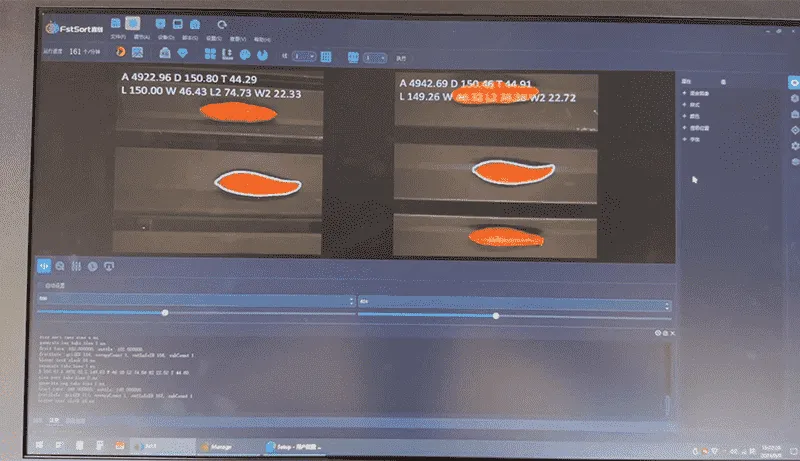
Revolutionizing Sweet Potato Processing: Precision Sorting Meets Efficiency
The post-harvest handling of sweet potatoes presents critical challenges for producers worldwide. Surface defects, cracks, and inconsistent sizing not only compromise product quality but also lead to accelerated spoilage during storage and transportation. Traditional manual sorting methods are labor-intensive, prone to human error, and struggle to maintain uniformity—issues that directly impact profitability and market reputation. Enter Fstsort’s advanced optical sorting technology, designed to address these pain points with intelligent automation.
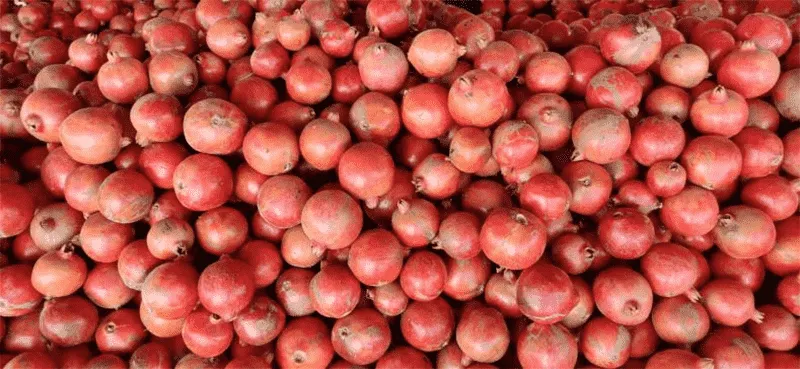
Pomegranate Sorting Machine
Pomegranates look tough, but the arils inside bruise invisibly—mechanical damage causes over 37% of packhouse losses, while export buyers demand 9–12 weight grades. This article examines the “tough skin, fragile inside” paradox and how Fstsort’s linear weight sorter uses soft cups, low-drop discharge, and ±2g accuracy to reduce bruising and standardize grading.
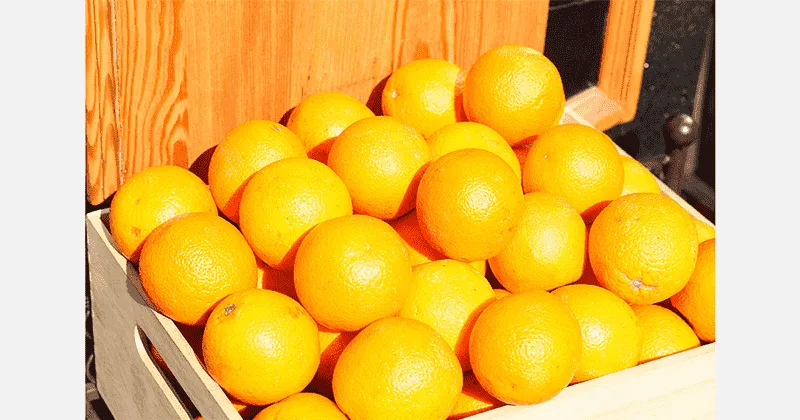
Fstsort Empowers Morocco’s Citrus Excellence with Advanced Sorting Solutions
Morocco’s citrus quality stems from its strategic focus on sustainable farming and precision agriculture. The adoption of drip irrigation and climate-smart practices ensures optimal fruit growth, while strict EU export standards push producers to prioritize uniformity and blemish-free grading. However, challenges like pest management and post-harvest efficiency persist. This is where Fstsort come into play. Designed to handle high-volume sorting, our machines excel in washing, waxing, and precision grading, ensuring each citrus meets international size, color, and quality benchmarks. By integrating sorting, Fstsort reduces waste and enhances Morocco’s competitiveness in premium markets.
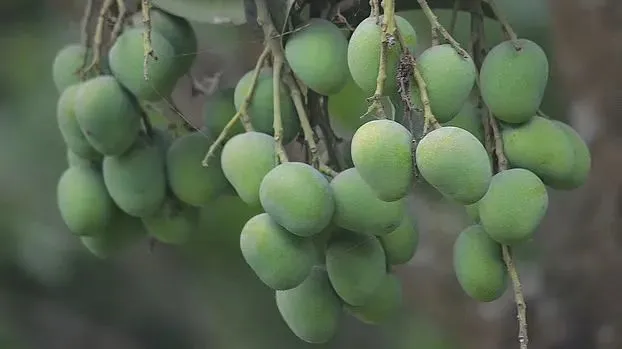
Bangladesh Mango Expected to Start Exporting to China in Summer 2026
Bangladesh mangoes are set to enter the Chinese market in summer 2026—but strict heat treatment and grading standards await. Learn how a complete processing line helps packers meet export requirements.
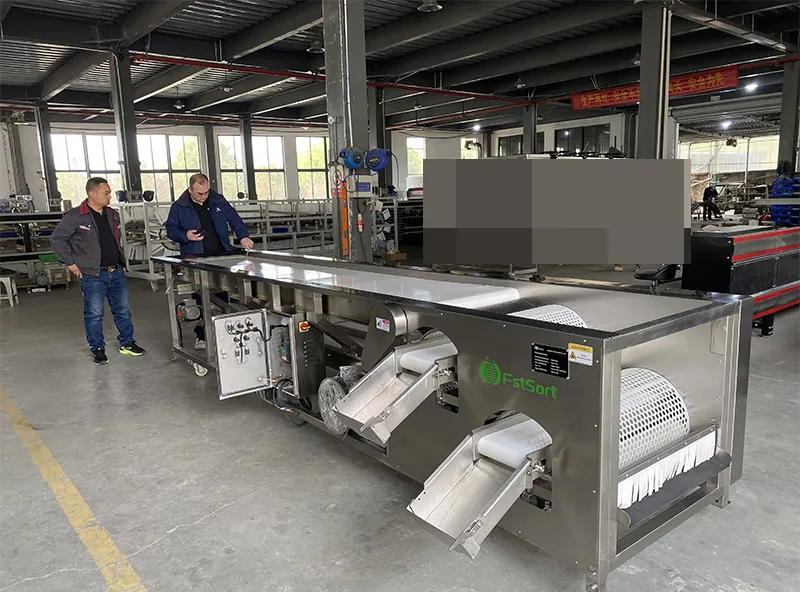
FstSort's third blueberry sorting machine was successfully delivered to a Colombian customer
On April 3, as the Colombian customer representative completed the final acceptance at the FstSort factory, another high-performance roller blueberry sorting machine officially set off to the South American market. It is worth mentioning that this customer was introduced by an old customer, and the customers in the region are very satisfied with our products. This cooperation confirms the excellent reputation of our products in terms of quality and reliability.
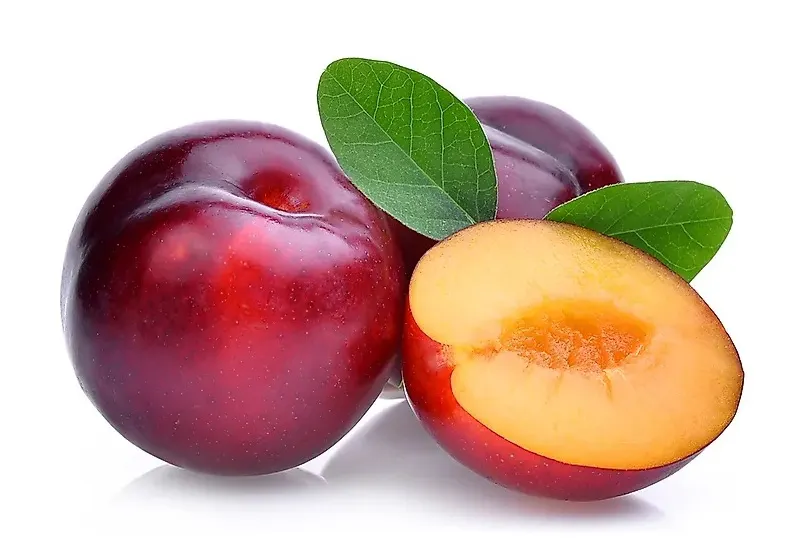
FstSort Introduces Advanced Plum Sorting Machines for Improved Efficiency
The FstSort plum sorting machines are available in two distinct categories: Standard Diameter Sorting and Precision Weight Sorting. The Diameter Sorting machine is ideal for general applications where sorting based on the size of the plums is essential. However, for more specialized needs, the Weight Sorting machines provide higher precision and flexibility, allowing producers to sort plums based on their weight.
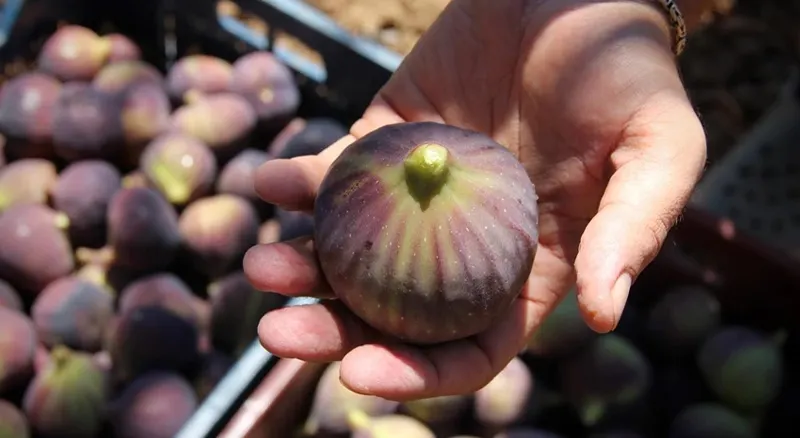
Turkish Figs Perfected by Fstsort's Intelligent Sorting Solutions
Fstsort's cutting-edge weight grading machines revolutionize fig processing with gentle handling and millimeter-level accuracy. Our dynamic weighing technology precisely classifies figs by weight categories while eliminating underdeveloped or damaged fruits. The integrated packaging line then automatically packs sorted figs into retail-ready containers, maintaining perfect presentation from processing to supermarket shelves.