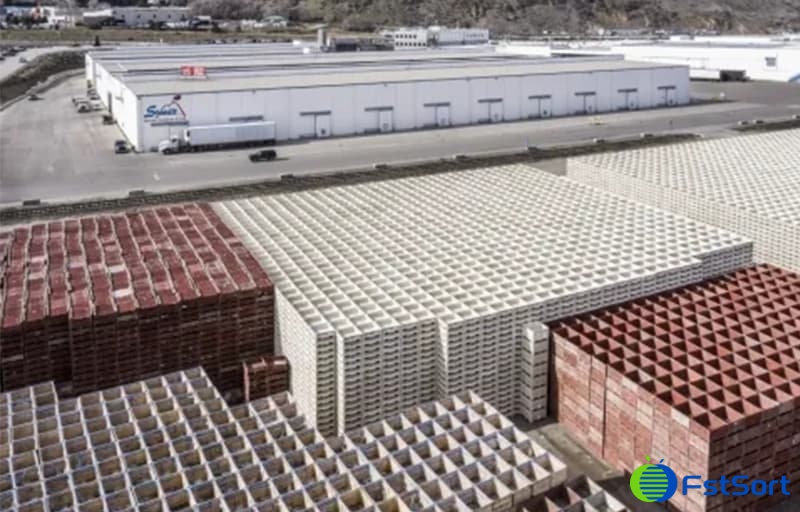
In Wenatchee, Washington, thousands of apples are piling up in warehouses, which are supposed to be shipped to the Middle East and Asia, but are forced to be stored in warehouses due to the lack of shipping containers. "Normally, at this time, we ship 10 to 15 containers of fruit a week to Taiwan," said Dave Martin, overseas sales manager of steimit growers, the largest tree fruit exporter in weinach, Washington. "But this week, we don't have a ship." What worries Dave Martin even more is that their customers are likely to turn to Chile, their competitor, for apple, which is just at the beginning of the harvest season. Martin said that since the shipping crisis became serious in November last year, stemilt cancelled many overseas orders and "we lost part of our overseas sales.".
According to the northwest seaport alliance, only a few ships called at Seattle and Tacoma ports during the outbreak. In January 2021, the number of ships arriving at the port decreased by 20% to 125. The main reason is that Asian imports surged during the epidemic period, and the ports on the west coast were overwhelmed. Especially in Los Angeles, the ship has to stay for several days to wait for unloading. Once the unloading is completed, it sails into other ports on the west coast to load. As a result, the loading time of Seattle and Tacoma exporters was seriously delayed.
On the other hand, the value of imports from Asia, especially electronics and clothing, is higher than that of agricultural products. Therefore, many ships prefer to transport empty containers back to China rather than waste time waiting to load American agricultural products. John Wolfe, chief executive officer of nwpa, said: "we are now experiencing a period of massive exports of Asian goods to the United States, which seriously undermines the stability of the supply chain. Many shipping companies are eager to transport ships and containers back to Asia, and then transport high-value goods from Asia to the United States. "