
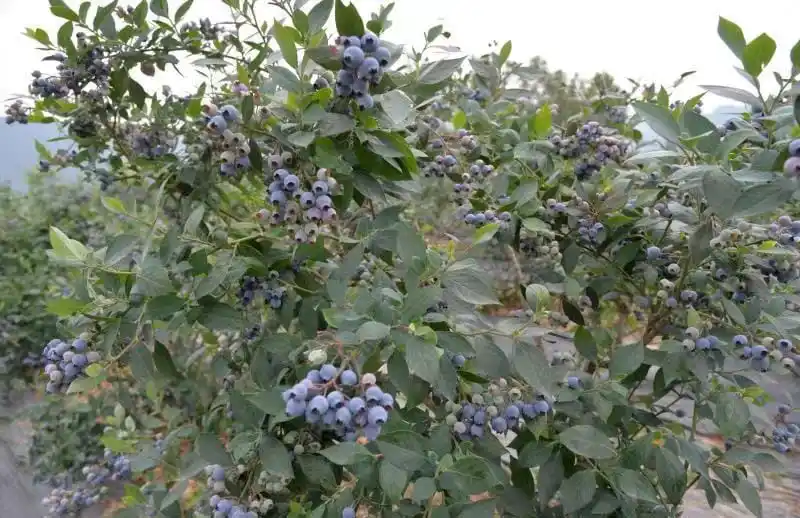
Post-harvest blueberry sorting and packing guide: grading standards (size, color, maturity), mechanical sorting vs manual sorting, and packaging options. For small to medium farms, FstSort offers affordable grading machines (thousands to tens of thousands of USD). Get quote.
As an important fruit, blueberries are rich in nutrition and delicious, and are very popular in the market. In order to ensure the quality and taste of blueberries, post-harvest grading is particularly important. The following will discuss in detail the grading standards, grading methods, and packaging of blueberries after grading.
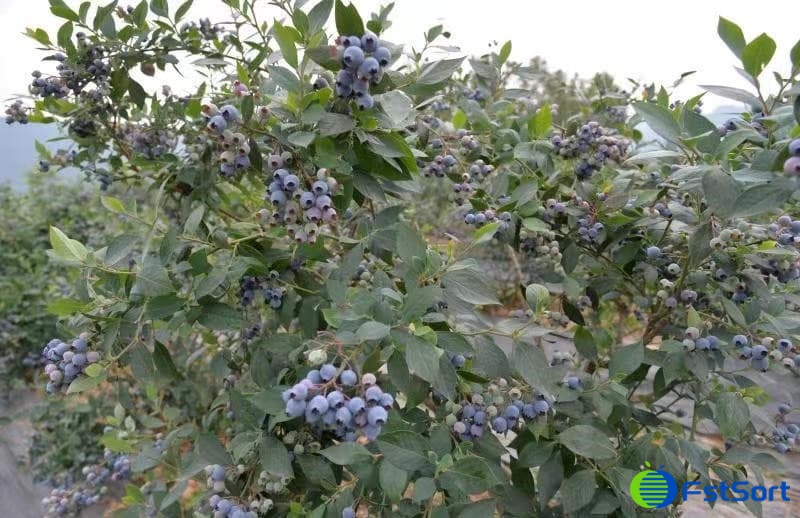
Blueberry Grading Standards
Blueberries can generally be graded according to factors such as size, color, and maturity.
Size Grading (Diameter)
Grade | Diameter Range | Typical Use |
|---|---|---|
Small | < 10 mm | Processing, juice, puree |
Medium | 10 – 15 mm | Standard retail |
Large | > 15 mm | Premium retail, export |
💡 These are common reference standards. Many packers customize size ranges based on their target market (e.g., 12mm, 14mm, 16mm for three grades).
Color Grading
Blueberries should have uniform and bright color. Blueberries that appear green or black should be removed.
Maturity Grading
Blueberries should reach a certain degree of maturity with balanced sweetness and acidity. Overripe or underripe fruit should be separated.
Blueberry Grading Methods
For commercial blueberry packers, a combination of manual sorting and mechanized sorting is typically used.
Manual Sorting
Staff can sort blueberries according to size, color, maturity, and surface defects. This method is labor-intensive and inconsistent but useful for small-scale operations.
Mechanized Sorting (Recommended for Commercial Scale)
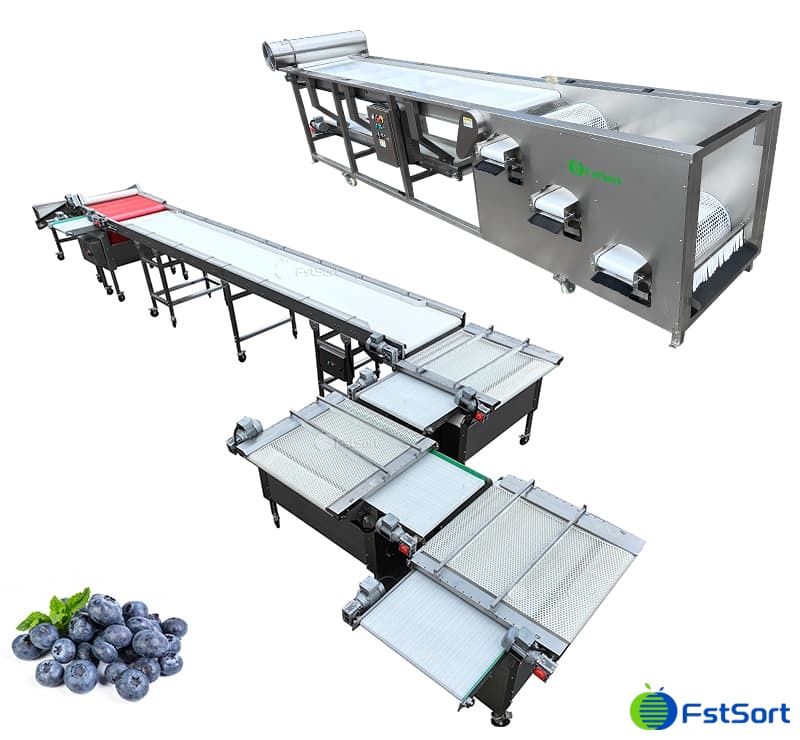
A blueberry sorting machine automatically sorts blueberries by diameter using drums or belts with different hole sizes. This improves sorting efficiency and accuracy while protecting the natural waxy bloom – the most important indicator of freshness.
Two common types of blueberry graders:
Type | Capacity | Best for |
|---|---|---|
Drum grader | 300 – 500 kg/h | Small farms, entry-level |
Belt grader (ultra-low drop) | 1,000 kg/h | Medium to large packers, export quality |
✅ Mechanical sorting pays for itself within 1-2 seasons through labor savings and higher-grade fruit pricing.
👉 See our Blueberry Grading Machines → for detailed specifications.
Packaging After Grading
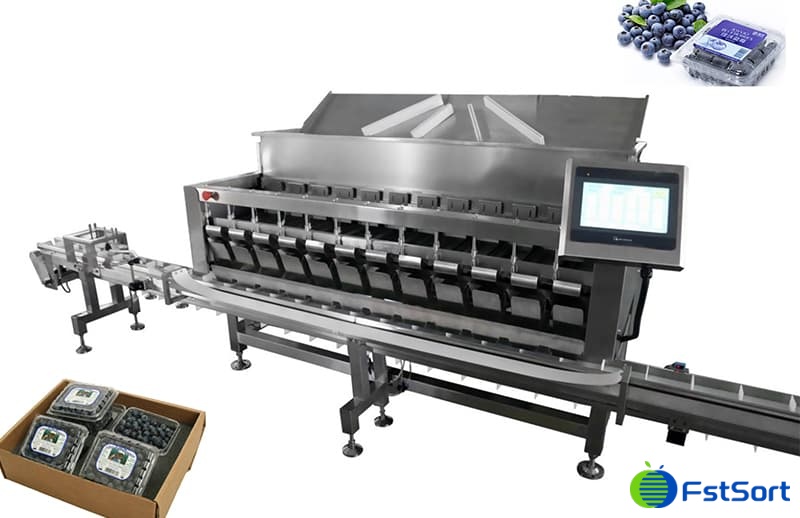
After sorting, blueberries are packed into different specifications of boxes or bags according to their grade.
Grade | Recommended Packaging |
|---|---|
High-grade (large, uniform color) | Transparent plastic clamshells, premium grid boxes – include grade and origin information |
Medium-grade | Standard punnets, breathable bags |
Low-grade (small or mixed) | Simple packaging bags – reduce cost for processing markets |
💡 Proper packaging protects blueberries, extends shelf life, and improves product display and sales.
Why Efficient Post-Harvest Processing Matters
The grading of blueberries after harvest is crucial to ensure product quality and market competitiveness. Through scientific grading standards, effective grading methods, and reasonable packaging design, blueberry products can:
Become more competitive in export markets
Meet consumer expectations for consistent quality
Improve the overall development level of the industry
✅ For small to medium farms, investing in a mechanical grader (thousands to tens of thousands of USD) is a cost-effective alternative to million-dollar optical sorting lines.