
Dunhuang Li Guang apricot, a national geographical indication product of China, is known for its golden skin, honey-like sweetness and premium prices reaching up to 14 USD per kilogram. Due to its thin and delicate skin, improper grading can cause severe damage and revenue loss. This article explains why a weight grader is better than a size grader for such fruit, presents detailed quality specifications, and introduces FstSort apricot grading equipment with technical parameters and product links.
Dunhuang, located in Gansu Province in northwest China, has long sunshine hours and high temperatures. Thanks to the local geographical and climatic conditions, with over 3,200 hours of annual sunshine and significant day-night temperature differences exceeding 15℃, the apricots grown here are exceptionally delicious and flavorful. They are named “Li Guang Xing” after the legend of the “Flying General” of the Western Han Dynasty.
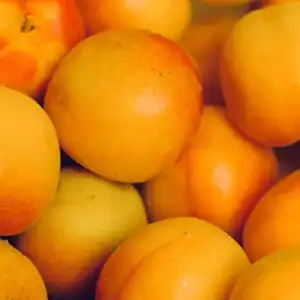
Li Guang apricot has a regular shape, nearly round, and each fruit is larger than a big plum. The skin is golden yellow with a shiny gloss, the skin is thin, the flesh is firm yet juicy, the core is small, the fragrance is overflowing, and the taste is sweet and juicy. According to Baidu Baike, the fruit has a soluble solids content ranging from 19.6% to 28.5% – a key indicator of its exceptional sweetness.
As a National Geographical Indication Protection Product and the “King of Fruits” in Dunhuang, Li Guang apricot commands premium market prices. In June 2025, fresh Li Guang apricots on the tree sold for 30–40 RMB per catty(approximately 4.5–6 USD per half kilo), with some premium grades reaching as high as 14 USD per kilogram
Quality Parameter | Value |
|---|---|
Average fruit weight | 38.4 g (up to 45 g) |
Soluble solids content | 19.6% – 28.5% |
Sugar-acid ratio | 10.74 |
Edible rate | >90% |

From Seasonal Fruit to Year-Round Products
Since Li Guang apricot is a seasonal fruit with a short harvest window and is not easy to store fresh, locals have developed a creative tradition: they remove the pits from ripe apricots and dry them into apricot skins, then add wolfberries, rock sugar, and other auxiliary materials to boil into apricot skin water — a sweet and sour summer drink that has become a local specialty. The company also processes Li Guang apricots into apricot skin tea, preserved fruits, and other northwestern Chinese specialties for sale.
The Post-Harvest Challenge: How to Grade Without Damaging Delicate Skin?
In order to increase product diversity and improve fruit farmers‘ income, many growers are introducing processing machines to improve labor efficiency and grade apricots, so that Li Guang apricots can be sold in different market tiers at the right prices.
But here is the key question: How do you grade a high-value, thin-skinned fruit like Li Guang apricot without damaging its delicate golden surface and reducing its commercial value?
Size Grader vs. Weight Grader: Which One Is Better?
Apricots can be graded by size (diameter) using roller-type graders, or by weight using electronic weight sorters. For a fruit with such thin and sensitive skin, a weight grader is the best choice. Unlike roller-size graders where fruits tumble and rub against each other, weight graders place each fruit in a cushioned carrier cup, weighing it individually with minimal surface contact.
The FstSort electronic weight grader offers precise sorting specifically designed for delicate apricots:
Specification | FstSort Plum & Apricot Grader |
|---|---|
Grading type | Weight sorting (load cell technology) or diameter sorting (roller type) |
Weight grading accuracy | ±2 g |
Processing capacity (weight sorter) | Up to 100,000 pieces per hour |
Number of grade exits | 9 – 16 (weight sorter) / 3 – 6 (roller grader) |
Additional modules available | Inspection table & packing table |
Gentle handling feature | Cushioned carriers + low-drop discharge |
Materials | Food-grade, rust-resistant |
👉 View complete FstSort plum and apricot grader specifications