
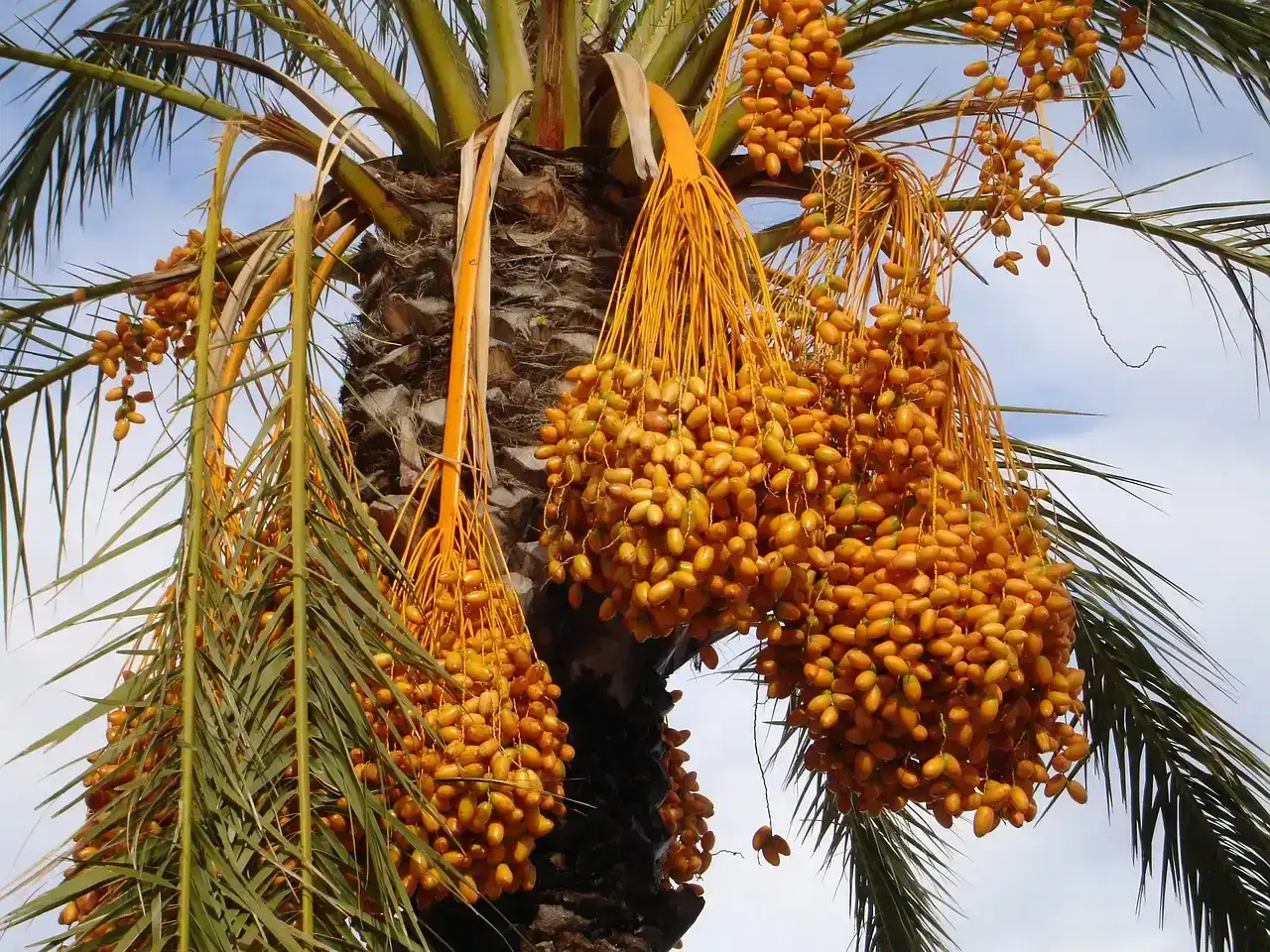
With production surpassing one million tons annually, Saudi Arabia's date industry is entering a new phase — one that demands modern processing solutions to match.
Saudi Arabia's Date Industry: A Growth Story
Saudi Arabia produces over 1.9 million tons of dates annually, accounting for approximately 22% of global production, with exports reaching SAR 1.938 billion in 2025 — up 14.3% year-on-year.
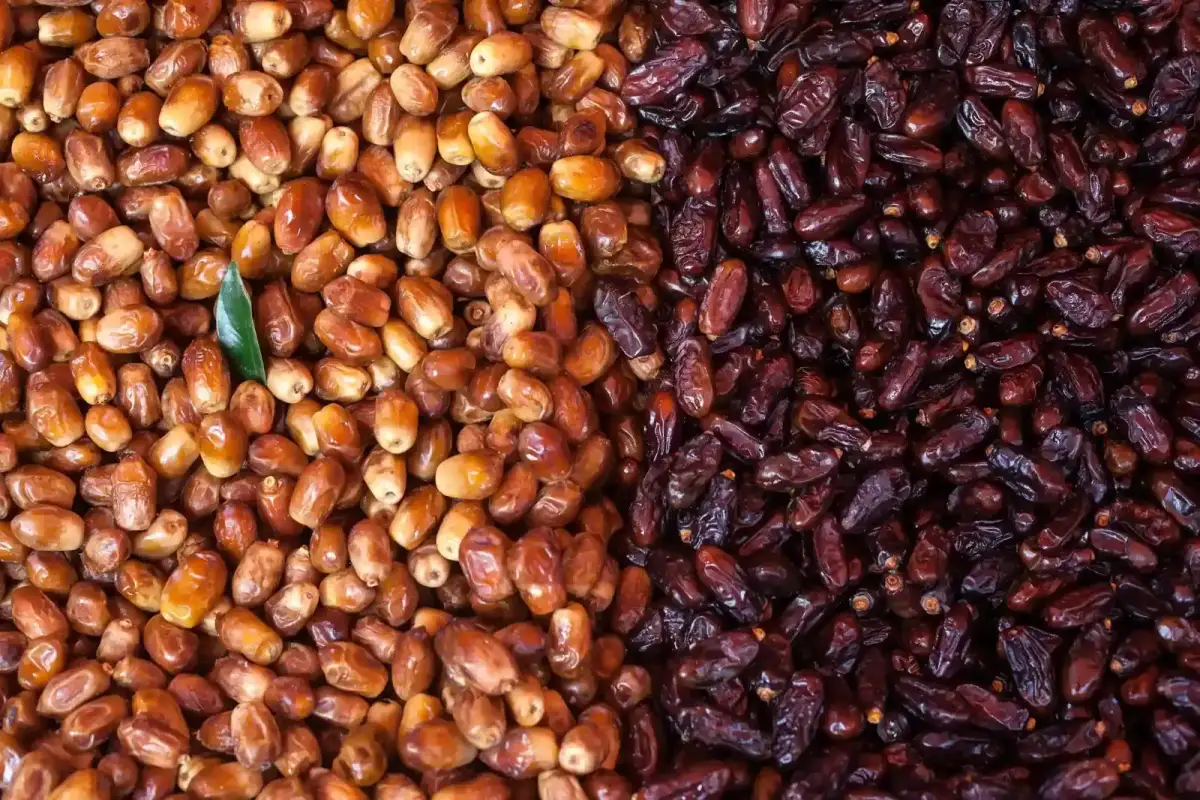
Several factors are driving this growth. Favorable climate conditions, government-backed agricultural initiatives, and expanding export markets have all contributed to higher yields. The National Palms and Dates Centre has been actively supporting date farmers with research and resources, helping to modernize the sector.
The Kingdom's date industry is not just large — it's strategic. Dates are a staple food across the Middle East, deeply embedded in cultural traditions and daily life. They're also a major export commodity, with Saudi dates finding buyers across the Gulf, North Africa, South Asia, and beyond.
A Growing Industry, A Growing Challenge
Rising production volume brings an inevitable question for date packers: how do we process more fruit without compromising quality?
Here's the challenge that Saudi packers are increasingly facing:
Challenge | Why It Matters |
|---|---|
Higher volume, same labor | More fruit means more sorting — manual methods can't keep up |
Export market expectations | International buyers demand uniform sizing — mixed grades don't ship |
Variety differences | Medjool, Sukkari, and Ajwa each have distinct sizes and handling requirements |
Fruit fragility | Dates bruise easily — rough handling during grading can ruin the crop |
For Saudi packers supplying both domestic retail and expanding export markets, the pressure is real. The manual or outdated methods that worked for smaller volumes are no longer sustainable.
The question isn't whether to upgrade grading equipment. It's when.
What Forward-Thinking Packers Are Doing
Across Saudi Arabia and the wider Middle East, date packers are upgrading their post-harvest handling lines. The goal is not just to process more dates — it's to process them better.
The most common upgrades fall into three categories:
1. Automated size grading — Replacing manual sorting with equipment that sorts by diameter, delivering consistent grades at high throughput.
2. Gentle handling systems — Using food-grade materials and low-drop designs that protect the delicate skin of dates, reducing waste from bruising and damage.
3. Integrated washing-drying-grading lines — Combining washing, drying, and grading in a single continuous flow, reducing labor and increasing throughput.
The results speak for themselves: packers who upgrade report fewer rejected shipments, higher premium-grade yields, and lower per-unit labor costs.
Meeting the Demand: Fstsort's Date Grading Solutions
This is where Fstsort comes in.
Fstsort has been supplying date grading equipment to packers across Saudi Arabia, Iran, Tunisia, the United Arab Emirates, and other date-producing countries. Each installation is customized to the specific date variety, throughput target, and packing requirements of the operation.
For date packers, Fstsort offers solutions tailored to different processing needs. Some operations require basic diameter sorting for high-volume throughput. Others need gentle polishing to remove surface dust from semi-dry dates. For fresh or sticky date varieties, a complete washing-drying-grading line may be the right choice.
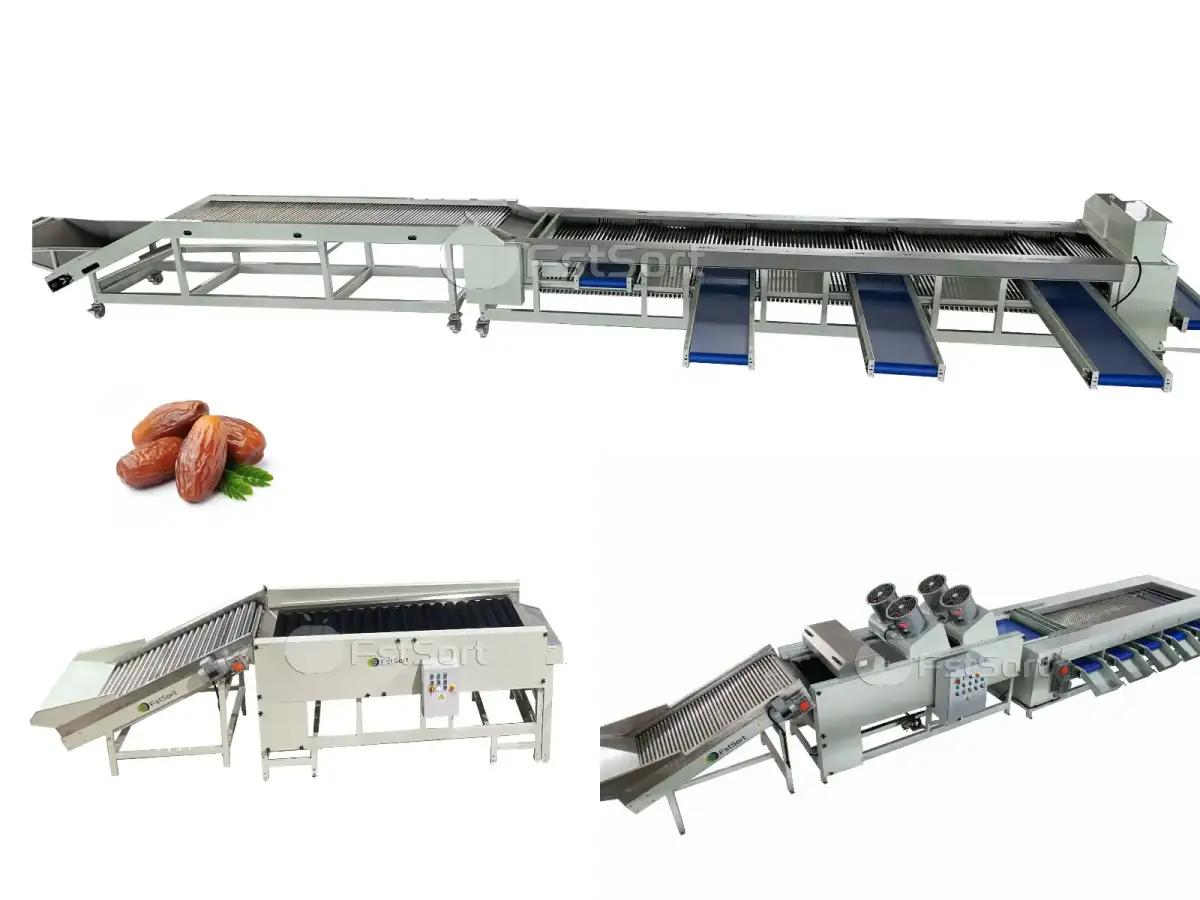
What all Fstsort solutions share in common: gentle handling that protects delicate date skin, food-grade materials for safety and hygiene, and adjustable grade sizes that can be customized to match specific market requirements.
These aren't off-the-shelf machines. Each configuration is designed around the packer's specific date variety, daily volume, and packing specifications.
Which solution fits your dates? Explore the full specifications on our product page →