
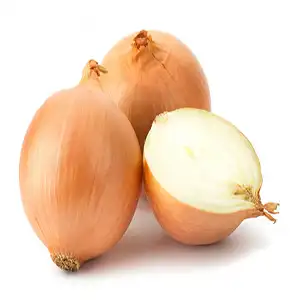
Fstsort's sales staff will introduce you to the knowledge of onions from a professional perspective. From growing temperature and soil to the growth cycle and flavor, they will highlight the unique value of onions.
As one of the most common vegetables on our tables, onions, with their unique flavor and rich nutritional value, have become one of the most widely cultivated crops globally.
First, the optimal temperature range for onion growth is 13℃-25℃. The optimal temperature for seed germination is 20℃-25℃. Onions prefer loose, well-drained sandy loam or loam soil, and the best pH value is neutral soil of 6.0-7.5. The onion seedling period is about 40-50 days. Onion can be harvested when the leaves turn yellow and the pseudostem softens.

Second, onions have a wide range of uses. Onions can be used in salads, cold dishes, or as a topping for burgers and sandwiches, adding a refreshing taste. When cooked, they release their sweetness, enhancing the flavor of dishes whether stir-fried, stewed, roasted, or used in soups. Furthermore, onions can be processed into onion sauce, onion rings, dehydrated onion slices, and other foods, making them convenient to store and consume. Growing onions in a garden can act as a "natural insect repellent," protecting surrounding vegetables (such as tomatoes and carrots) from pests.

From field cultivation to diverse applications, onions have proven their extraordinary value in the ordinary.
Author:Fstsort Yolanda