
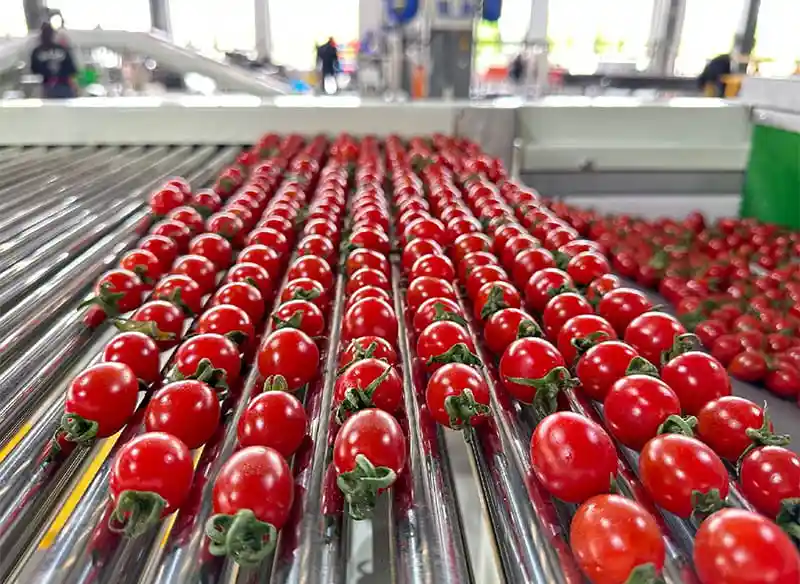
The cherry tomato season is short, intense, and unforgiving. For packers who miss the window, the opportunity is gone for another year. Here’s how smart operators are staying ahead.
The Cherry Tomato Season: A Race Against Time
Cherry tomatoes are among the most popular specialty tomatoes on the market — prized for their sweet flavor, vibrant colors (red, yellow, orange, and pink), and bite-sized convenience.
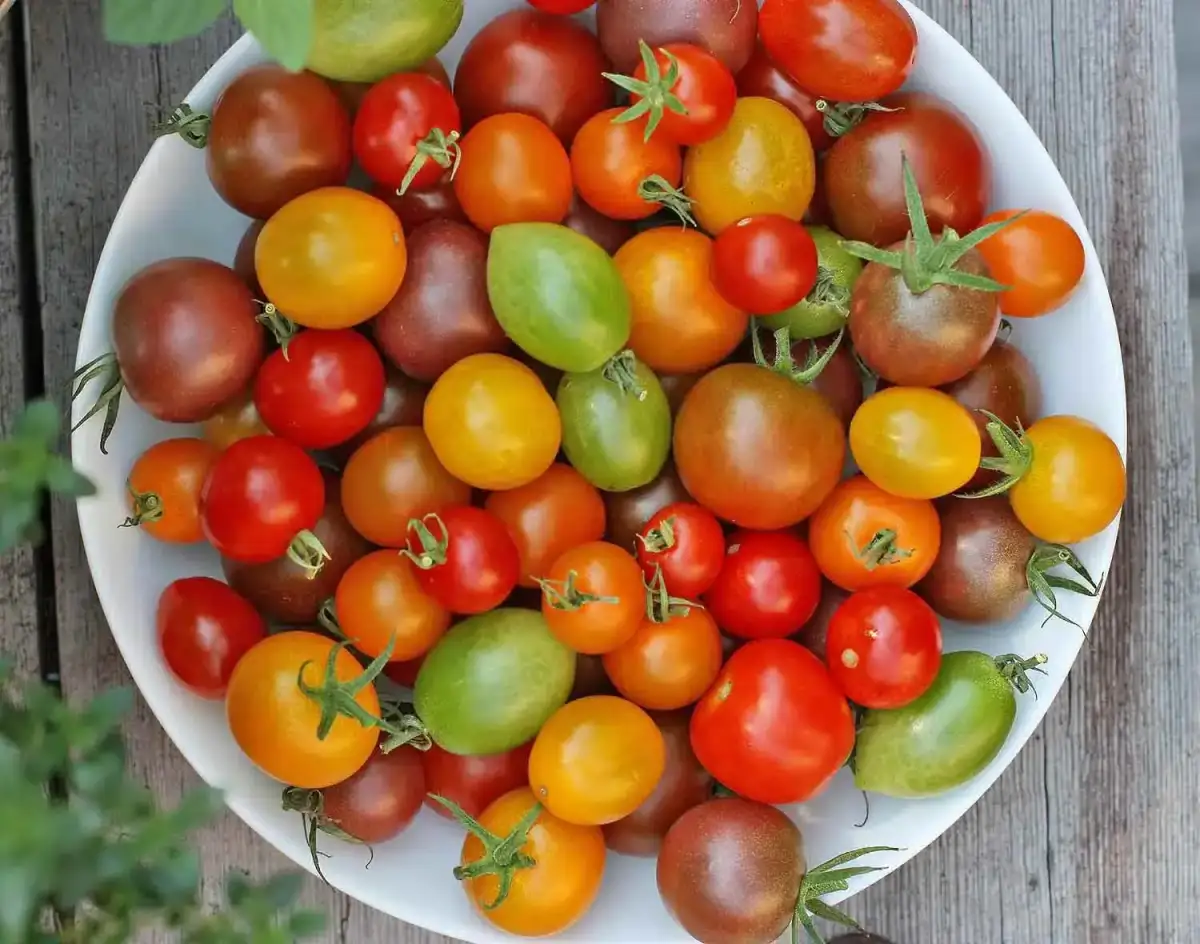
But for packers, they present a unique operational challenge.
The season is short. In many growing regions, the cherry tomato harvest window is measured in weeks, not months. During this period, fields yield high volumes of fruit that must be processed quickly — or risk spoilage.
The fruit is delicate. Cherry tomatoes have thin skins that are easily bruised or damaged during handling. Once damaged, they lose shelf life and market value.
The processing window is tight. Between harvest and delivery, every hour counts. Delays in sorting and packing mean fruit that doesn't reach retail shelves at peak freshness.
For packers who rely on manual sorting, this creates a perfect storm: high volume + short window + delicate fruit + labor shortages = inefficiency, errors, and lost revenue.
Why Manual Sorting Falls Short During Peak Season
When the cherry tomato season hits its peak, packing houses are flooded with fruit. Here's what happens when sorting relies too heavily on manual labor:
Challenge | Why It Matters |
|---|---|
Labor shortages | Finding enough seasonal workers is increasingly difficult and expensive |
Inconsistent grading | Human fatigue leads to errors — undersized or oversized fruit ends up in the wrong pack |
Slow throughput | Manual sorting simply can't keep up with the volume during peak weeks |
Fruit damage | Repeated handling increases the risk of bruising and reduces shelf life |
Missed market windows | Delays in processing mean fruit misses the optimal window for retail delivery |
The result? Rejected shipments, disappointed buyers, and lower margins. The question isn't whether to automate — it's how.
How Leading Packers Are Adaptin
Across major cherry tomato growing regions — from Australia to China — packers are turning to automated sorting and packing lines to solve the seasonal capacity crunch.
The goal is simple: process more fruit, faster, with less damage and greater accuracy.
Automated lines handle the entire post-harvest journey — from washing and drying to grading by diameter and packing into precise weight boxes. The result is consistent output, reduced labor dependence, and the ability to meet the tight delivery windows that retailers demand.
A Smarter Way: Automated Grading for Cherry Tomatoes
This is where Fstsort comes in.
Fstsort's cherry tomato grading machine is designed specifically for the unique demands of the cherry tomato season. It grades fruit by diameter with adjustable precision, handling everything from cherry tomatoes and grape tomatoes to tamarillos and other small round fruits.
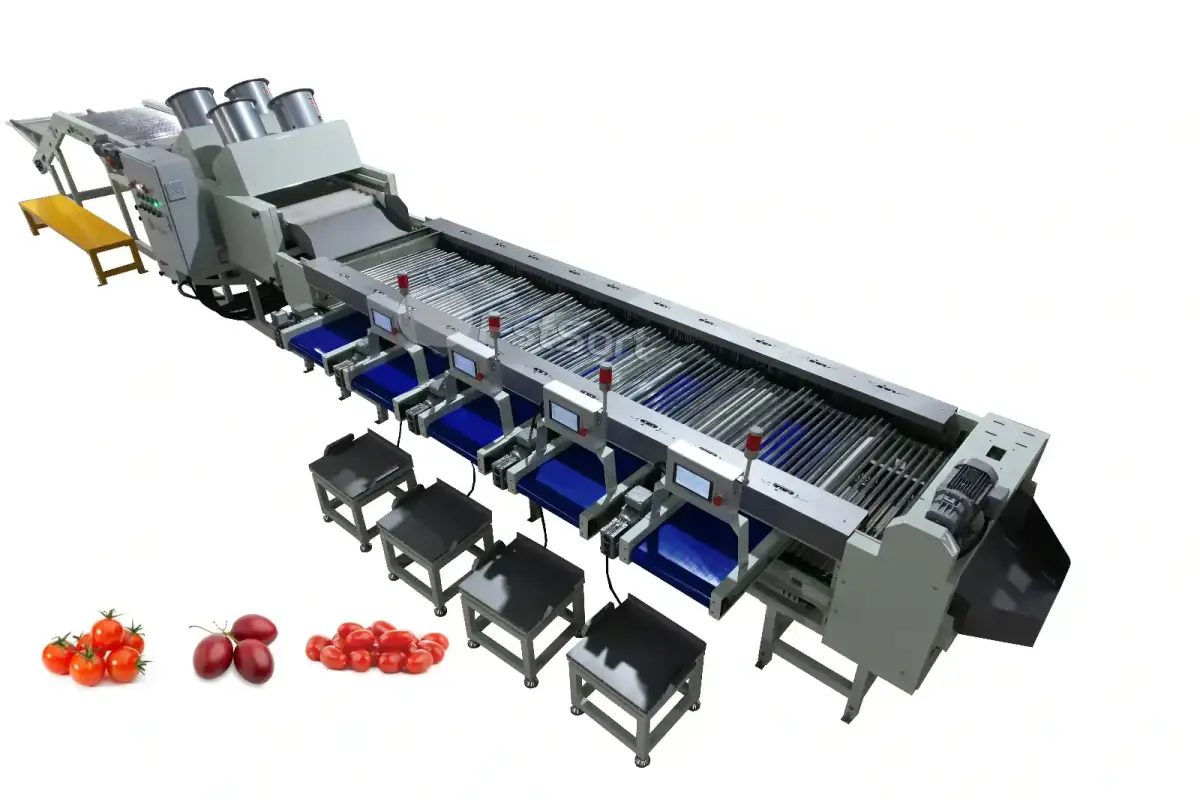
What makes it different:
· Gentle handling — The roller-bar design adjusts spacing to sort fruit by size without damaging delicate tomato skin
· Adjustable speed — Frequency converter matches your packing capacity, whether you're processing 500 kg or several tons per day
· Flexible configuration — Use the grader alone, or combine it with washing, drying, and box filling modules to create a complete line
· Precision packing — Integrated weighing system automatically fills boxes to your specified weight, reducing labor costs and errors
Each system is customized to the packer's specific crop variety, throughput target, and packing requirements.
Cherry tomato season waits for no one. The question isn't whether to automate — it's whether your line is ready. Ready to see how automated grading can transform your cherry tomato season? Visit our cherry tomato grading machine page for complete details →