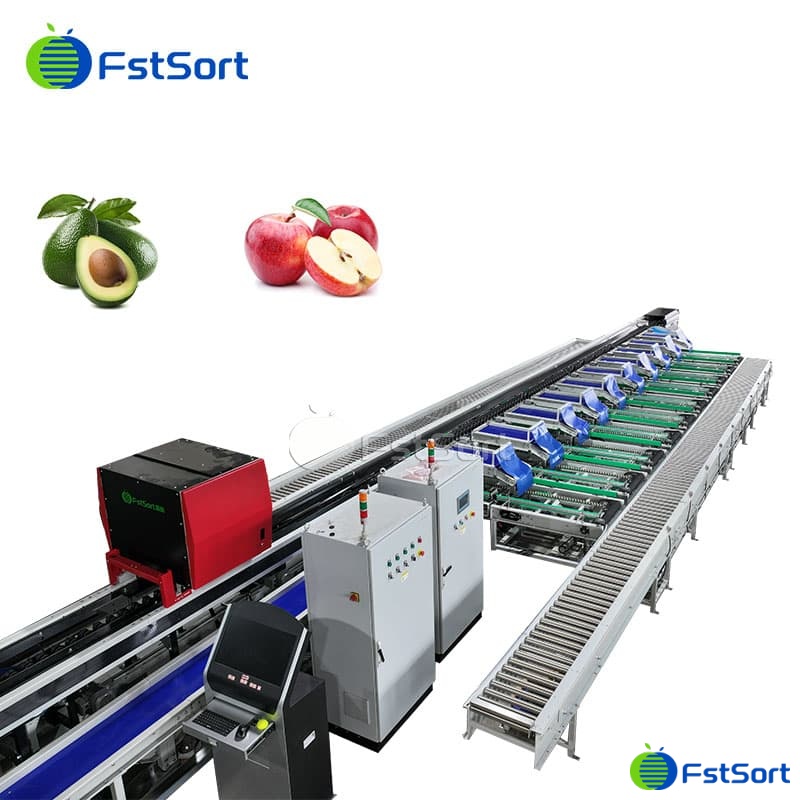
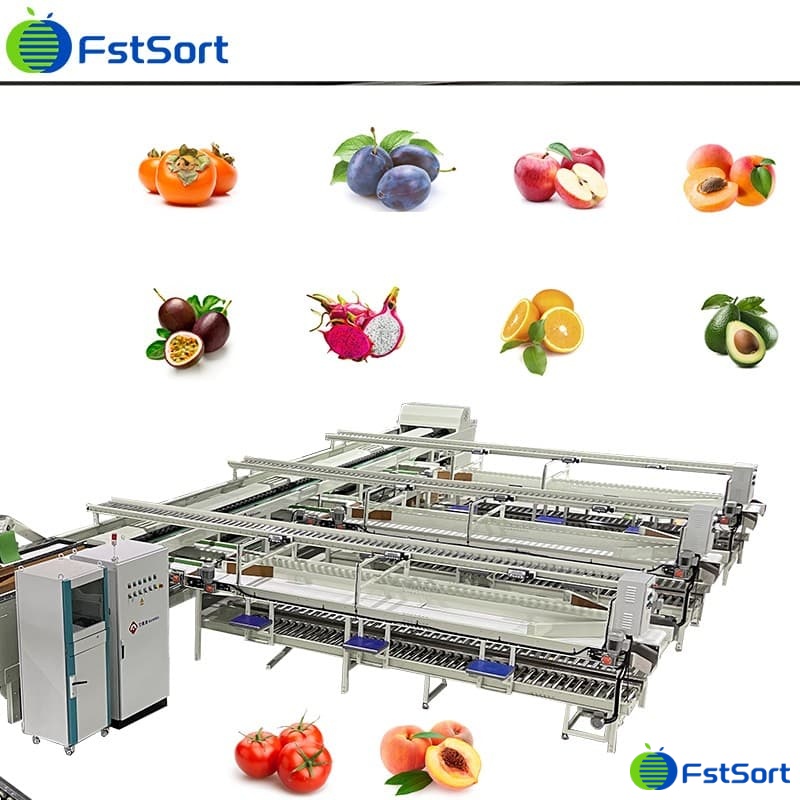
While traditional roller graders are cost-effective for hard fruits like citrus, lemon, orange and so on. But they are a "hidden killer" for tomatoes.

Tomato peel is extremely thin, the pulp has high water content and loose tissue, and its ability to withstand stress is extremely weak. Tomatoes from the same batch often contain fruits of different ripeness levels, with huge differences in firmness. Traditional roller classifiers rely on the gradually increasing gap between two stainless steel rollers for classification. During this process, tomatoes must roll, squeeze, and fall on rollers. The rigid contact of the rollers and the mutual squeeze between the fruits can easily cause hidden internal injuries (the internal pulp is broken but the skin is intact). This kind of damage is difficult to detect at the time of sorting, but will quickly decay after 2-3 days of transportation, resulting in extremely high after-sales loss rate. Moreover, most tomatoes are irregularly round or oval in shape. If you only rely on diameter for grading, it is easy to misjudge long fruits, or the fruits may be deformed due to pressure, resulting in confusing grading.
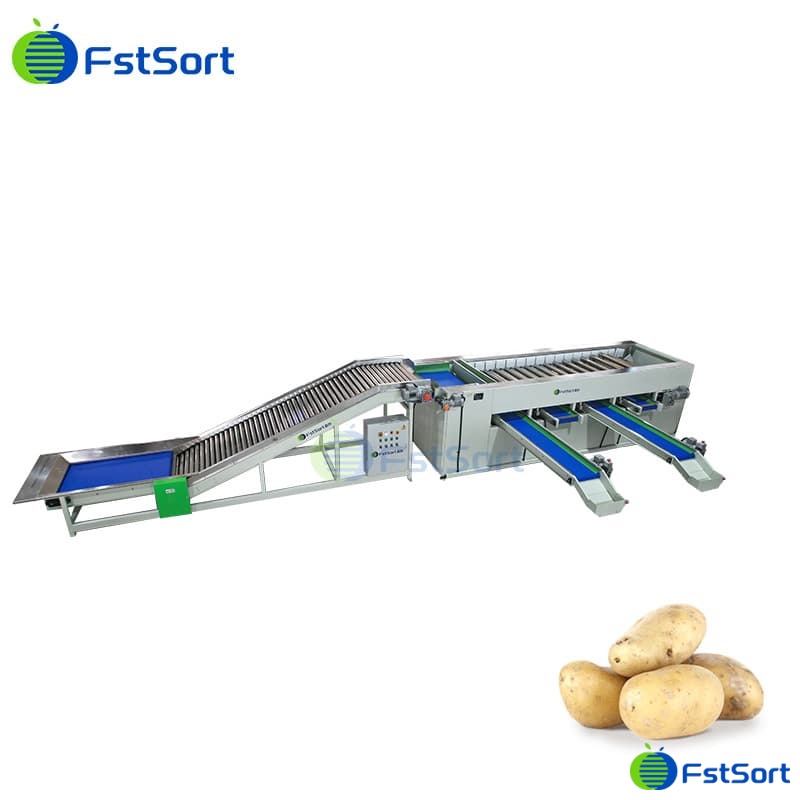
In view of the limitations of roller sorting, the tomato sorting market is quickly turning to gentler technical solutions. For cherry tomatoes or large tomatoes with extremely irregular shapes, weighing sorting is more accurate than diameter sorting and also uses a flexible blanking design. For the most high-end quality tomatoes, 3D vision is used to identify maturity and defects, and software robots directly grab and pack them to achieve "zero-contact" sorting.