
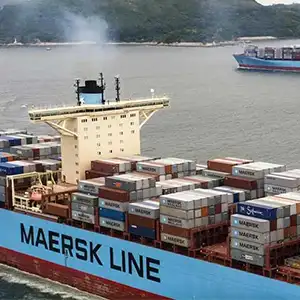
Global shipping delays have become the "new normal" with reduced production capacity and weakened competitiveness. The congestion of the whole logistics chain, including warehouses and distribution centers, is deteriorating.
Global shipping delays have become the "new normal" with reduced production capacity and weakened competitiveness. The congestion of the whole logistics chain, including warehouses and distribution centers, is deteriorating.

When the first confirmed case of new crown appeared in Yantian port on May 21, the Suez Canal incident had just occurred less than two months. Since then, the global supply chain (especially in Asia) began to be interrupted on a large scale, and shipping and fresh fruit and vegetable companies could not determine when they would return to normal.
Although the volume of fresh fruits and vegetables imported and exported through Yantian port is limited, the interference of the port to other surrounding ports indirectly affects the circulation of fruits and vegetables.
Maersk said that as the global freight network is still coping with the aftermath of the Suez Canal incident in March, the situation in Yantian has exacerbated the delay, at least for now, and has become a "new normal".
"This trend is worrying, and congestion that cannot be alleviated is becoming a global problem," Maersk said in a statement. "Due to the epidemic and the sharp increase in global traffic since the end of last year, the terminals have encountered bottlenecks both in berths and in transporting goods. Moreover, the congestion in the whole logistics chain - warehouses and distribution centers - is deteriorating."