As an important fruit, blueberries are rich in nutrition and delicious, and are very popular in the market. In order to ensure the quality and taste of blueberries, post-harvest grading is particularly important. The following will discuss in detail the grading standards, grading methods, and packaging of blueberries after grading.
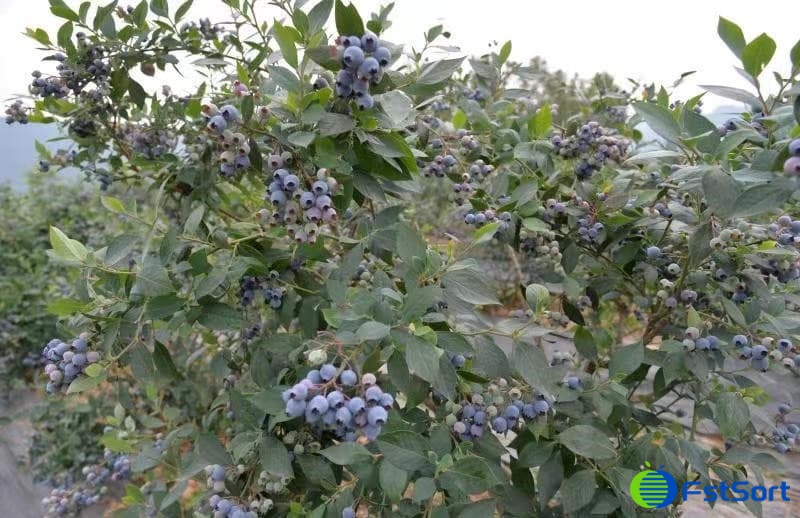
First of all, for the grading standards of blueberries, they can generally be graded according to factors such as the size, color, and maturity of blueberries. In terms of size, blueberries can be divided into three grades: large, medium, and small. Large blueberries generally have a diameter of more than 15mm, medium blueberries have a diameter of between 10-15mm, and small blueberries have a diameter of less than 10mm. In terms of color, the color of blueberries should be uniform and bright, and blueberries that appear green or black should be removed. In terms of maturity, blueberries should reach a certain degree of maturity and have a certain sweetness and acidity. According to the above grading standards, blueberries can be graded at different levels.
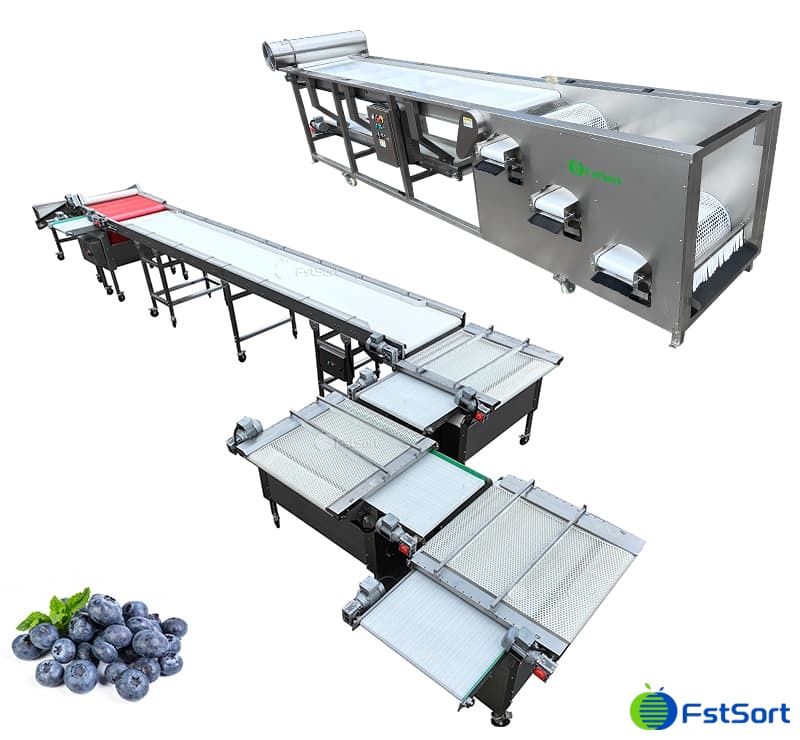
Secondly, for the grading methods of blueberries, a combination of manual sorting and mechanized sorting can generally be used. In terms of manual sorting, staff can sort blueberries according to the size, color, maturity and other indicators, select blueberries that meet the standards, and proceed to the next step of processing. In terms of mechanized sorting, a blueberry sorting machine can be used to automatically sort blueberries through sieve holes of different diameters to improve sorting efficiency and accuracy. The above grading treatment methods can effectively improve the quality and market competitiveness of blueberries.

Finally, for the packaging of blueberries after grading, different specifications of packaging boxes or bags can generally be used for packaging. According to the different grades of blueberries, transparent plastic boxes, grid paper boxes, air-porous bags and other packaging materials can be selected. For high-grade blueberries, high-end packaging boxes can be selected, and information such as grade and origin can be indicated to improve the grade and market competitiveness of the product. For low-grade blueberries, simple packaging bags can be selected to reduce packaging costs and adapt to different market needs. Through reasonable packaging design, blueberries can be effectively protected, shelf life can be extended, and product display effects and sales can be improved.
In short, the grading of blueberries after harvest is crucial to ensure product quality and market competitiveness. Through scientific grading standards, effective grading processing methods and reasonable packaging design, blueberry products can be made more competitive, meet consumer needs and improve the overall development level of the industry.