According to Japan's Kyodo News agency, the "square watermelon", a specialty of Shontoji City in Kagawa Prefecture, western Japan, began shipping on June 30. The watermelon was shaped like a cube with a side length of about 18 centimeters. It was put into a mold prepared before ripening, and then changed into a mold shape after ripening.
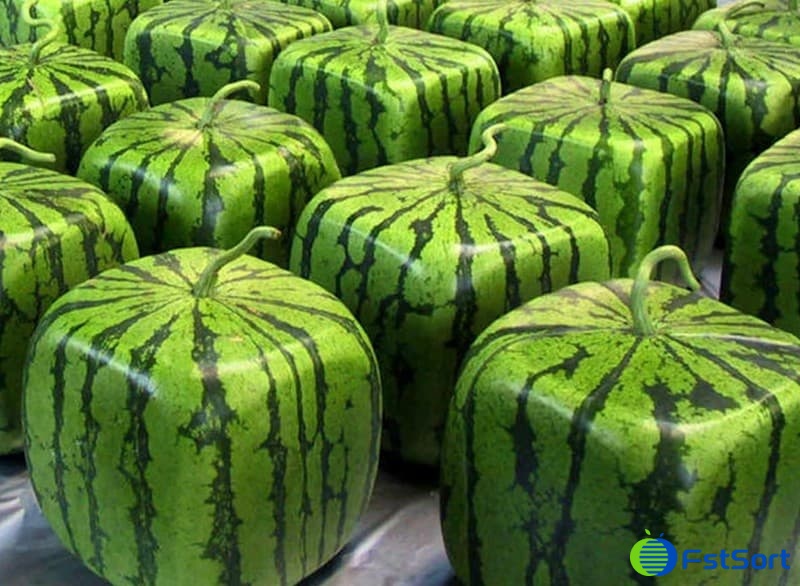
The square watermelon was developed by farmers in the Gioka area of Seontonji City, Kagawa Prefecture. However, Japanese media pointed out that the square watermelon is not suitable for eating because of its strange appearance but low sweetness, but it is popular as an ornamental melon. In addition to square watermelons, heart-shaped watermelons and triangular watermelons have also appeared in the market.
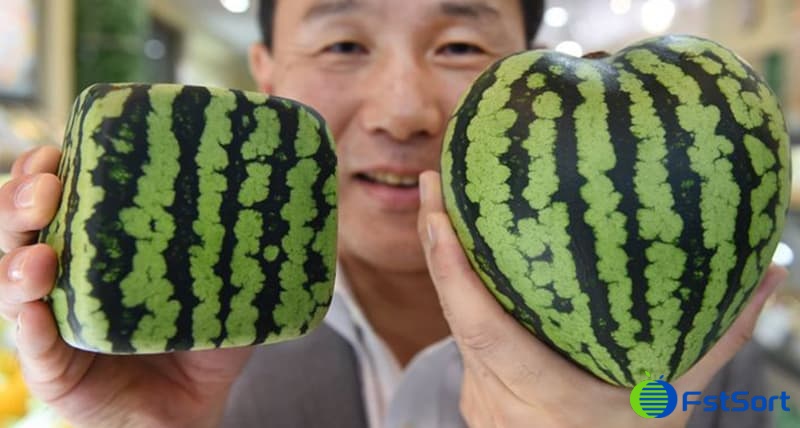
There are many strange shapes and shapes in fruit. They may have emerged from their own breeding process, and their mature shape is somewhat different from the original shape. There is also artificial intervention, in the growth stage of interference, to cater to social hot spots, consumer needs.
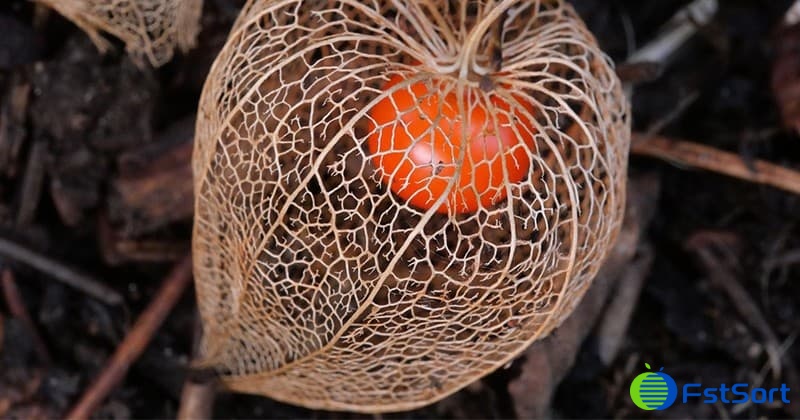
The lantern fruit, which is produced in Latin America, has a hollowed out cover and a fruit inside. It looks lovely and is popular among consumers. Lanternfruit is rich in carbohydrate, amino acid, vitamin and mineral elements and other nutrients. Many manufacturers have introduced planting. However, due to the different climate conditions, soil, temperature and other growth factors, many areas planted lantern fruit appearance is not the same, and the difference between a lot of original.
With the gradual improvement of people's living standard, the fruit people began to pursue began to appear in the consumer market, businesses try all kinds of ways to introduce new strange products to stimulate people's desire to buy. It does bring economic benefits to some extent, but people are just looking for novelty. If the appearance of fruit can be beautiful on the basis of high-quality fruit, it can certainly trigger a consumption boom. One company has previously made cantaloupes into skeletons and pears into dolls. Compared with the ordinary melon, pear, it is just a change in appearance, the nutritional composition has not changed.
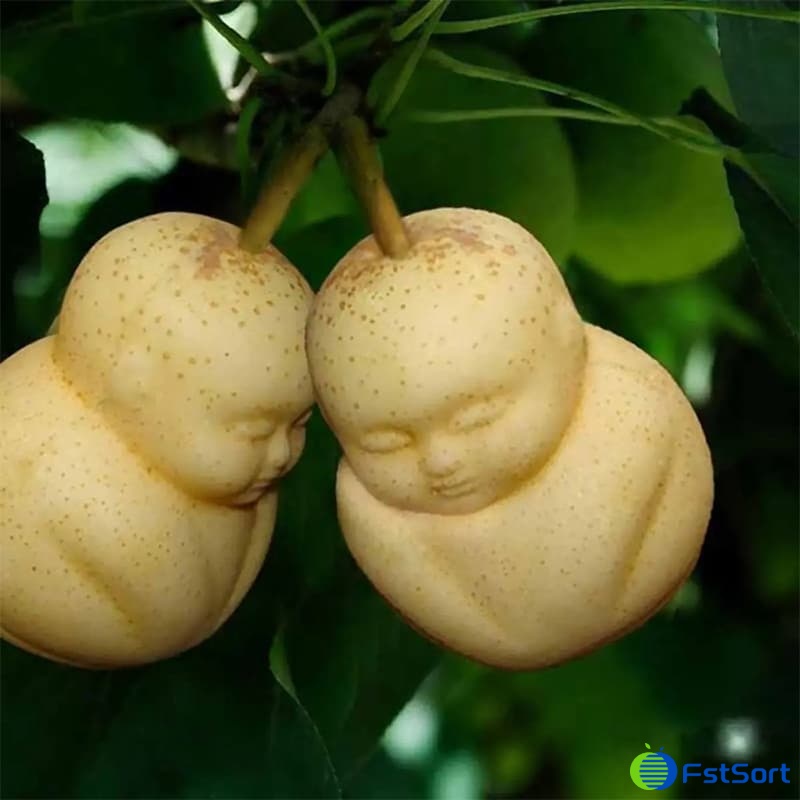
As the market changed, such odd-looking fruit eventually became a niche calm, and consumers demanded truly high-quality fruit, not pure gimmicks. There's nothing wrong with businesses trying to do this, but it's not sustainable.